

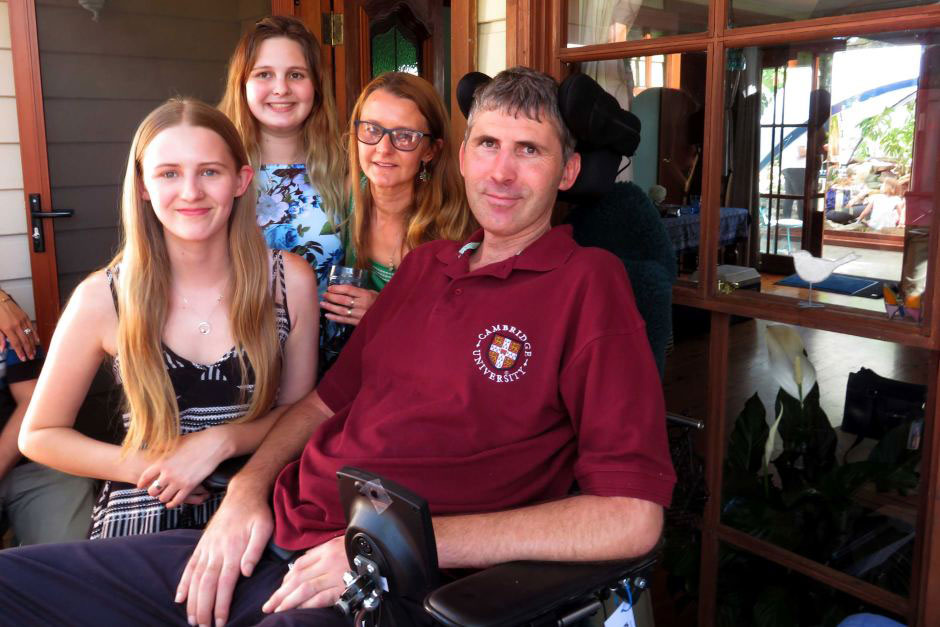
Royal Caribbean is carrying out a review of its procedures after a renowned doctor was refused a cruise at the last minute because he suffers from motor neurone disease.
The case of Professor Justin Yerbury and his party of 11 – including two carers – has sparked a major debate among those with disabilities, who had thought cruise lines were the best able to cater for their holiday needs. Many cruse lines advertise their accessibility as a major selling point and disabled cruisers are an important market. But Professor Yerbury’s experience after making all the right plans and preparations way in advance, suggests there is room for improvement. After booking a disability room, filling in the special needs form and making several failed attempts to talk directly with the line or ship’s doctor, Professor Yerbury was denied boarding in Sydney “on the grounds that the ship would be unable to provide the level of care required in the event of an emergency at sea”, says Royal Caribbean in a statement.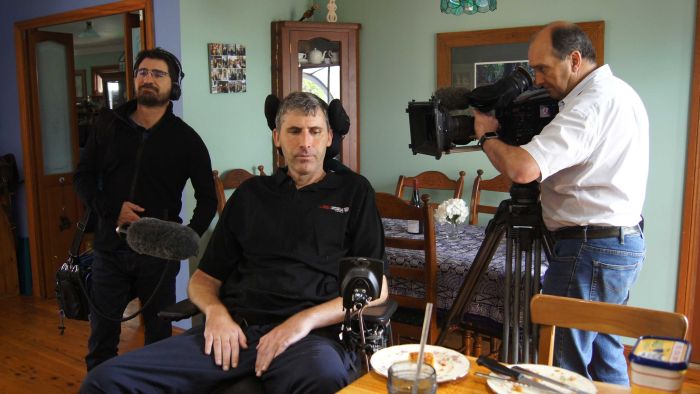
Could it have been handled better?
People with Disability Australia and Professor Yerbury think so. “We hope that we can work with Royal Caribbean to make sure that this type of thing doesn’t happen again,” says Professor Yerbury, who is a world-renowned molecular biologist who has spent 10 years researching motor neurone disease . People with Disability Australia highlights that cruise lines are bound by the Disability Discrimination Act (DDA) to provide services for people with disability. The DDA makes it against the law to discriminate against a person because of their disability by refusing to provide them with goods or services or make facilities available. “This was a breakdown in communication that shouldn’t have happened. Such details should have been worked out prior to the final payment or even before a deposit is paid,” says Samantha French, senior policy officer at People with Disability Australia. “Royal Caribbean’s accessible cruising brochure is impressive, showing that they are able to provide support for a wide range of access needs, but that needs to translate into practice, especially in training their staff to be disability confident.” “People with disability knows best of their disability needs and cruise lines need to learn the lessons from Yerbury’s case and review their policies towards disabled cruisers.”Cruising with disability
The Yerburys have no immediate plans for another holiday but remain open to cruising despite the experience. “We just can’t face the time and energy that we spent to plan the last trip at the moment,” says Professor Yerbury. Ms French adds that ocean cruising is one of the most accessible forms of travel, and cruise lines have made advances in providing for an older demographic with additional accessibility needs. Lines like Royal Caribbean and Carnival Cruise Line lists accessibility support for for guests with limited mobility, vision, hearing and also autism and developmental disabilities.Cruise Lines International Association (CLIA) says that cruise lines offer a variety of accessibility options. Some of these include specially equipped staterooms, Braille menus, call buttons, stairwell banister deck numbers and assistance for passengers with hearing impairments.
Individual cruise lines have their own policies and processes for catering to passengers with disabilities or limited mobility, based on their facilities and safety considerations. CLIA recommends that passengers with questions regarding specific accessibility needs contact individual cruise lines or a travel agent that specialises in accessible travel.
A Carnival Australia spokesperson says, “Taking people to sea on a cruise holiday is a big responsibility at any time. We have procedures to consider how guests with special needs can be supported during a cruise. These procedures aim to treat people with dignity and respect.”Here are some things to note while planning a cruise when you have a disability:
Find the Right Ship
Each ship on different lines has different levels of accessibility. Disability access can include things like grab rails, hearing facilities, wheelchair access, visual aids and wheel-in shower. A ship may also have accessible restrooms in public areas, braille menus at restaurants and wider hallways and doorways so that mobility aids can manoeuvre with ease. Coordinate with your cruise line prior to sailing so they advise and provide you with the required assistance.Book with an agent specialising in accessible travel
These agents are familiar with the accessibility offerings across lines and their ships. They can also help you select itineraries with destinations with good port access and shore excursions that have good accessibility. The specialised travel agents can also help you to organise accessible transportation and rent medical equipment if required.Mobility aids and medical equipment
If you require any of the above, think about whether you will be bringing your own or there is also there option to rent it and have it delivered to your cabin. If you’re bringing your own mobility equipment, have it serviced prior to traveling as replacing a part mid-cruise can be difficult. Remember to consult the line’s guidelines for acceptable width, weight, the types of batteries and chargers the mobility aids use. Guests are also required to store their mobility aids in their stateroom due to safety regulations.Choose your destinations and shore excursions with care
It’s important to know the terrain and available modes of transport of your destination, as it would decide your shore excursion options. Look out for attractions that are close to the port and consider arranging with local tour operators that specialise in accessible travel in advance.Look Into Joining a Group
First-time cruisers with disabilities might also consider traveling with a group. Leisure Options, a Melbourne-based travel company, has itineraries for people with physical and intellectual disabilities, including those with acquired brain injuries. Their 2019/2020 programme includes local and international cruises.
Related Posts
-

Cruise lines have threatened to sue the Hawaiian government for introducing new taxes based on a per cabin or per person fee.
-
The new cruise regulations for the French town of Nice will still be going ahead but with major concessions for the cruise industry.
-
After cancelling a port call to Noumea in New Caledonia, Disney Cruise Line has reinstated the port call.
-
The Cruise Lines International Association is launching a last-minute bid to keep cruising alive in the French port of Nice. The city's Mayor Christian Estrosi has already signed a decree…






I would like Royal Caribbean to make a large donation to Dr Yerbury’s research for a cure for MND. If this does not happen I don’t think the company appreciate how morally damaging this whole episode was. Will never cruise with Royal Caribbean again.
It was a heartbreaking experience for the professor & his family, especially as they put so much time & effort into planning & organising everything. Then to be denied access at the cruise ship itself! A bitter pill indeed.
Where I understand why the cruise ship did what was deemed safest, I felt for those poor, disappointed travellers.
It’s great that they’ll be fully reimbursed money wise but that won’t compensate them for disappointment, excitement, effort or anticipation. I hope they get the holiday they wanted once they have the heart to have another try.