

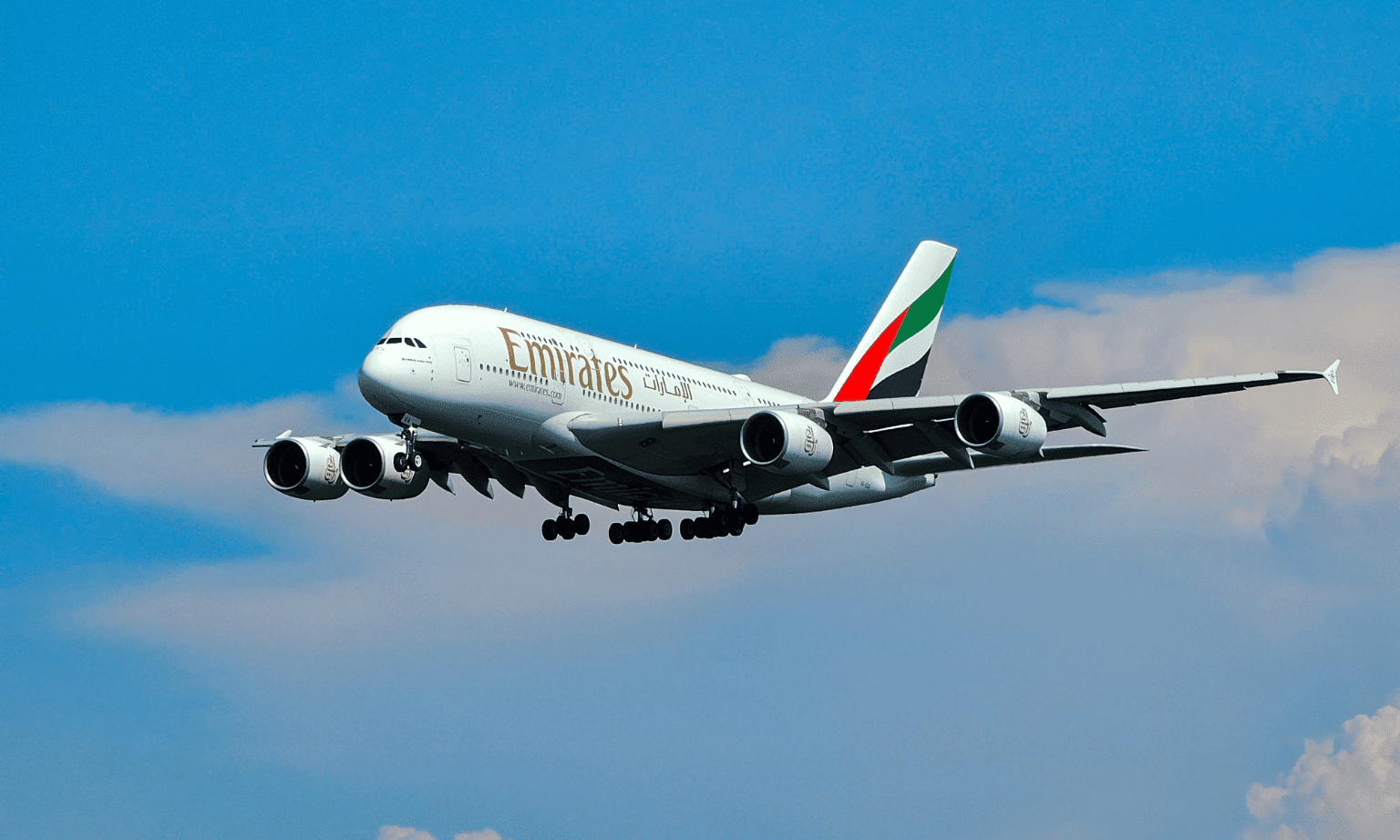
- Cruise Passenger has been highlighting how passengers are getting to Europe for their holidays.
- Most are using their tickets on Middle East Airlines and arriving without incident.
- Now the travel industry’s peak body is mounting a campaign to persuade the government to lift its Do Not Travel ban.
Australia’s peak travel body has launched a push to convince the Federal Government to scrap its controversial “Do Not Travel” warning for key Middle East transit hubs, arguing the advice is leaving thousands of Australian cruise passengers uninsured while travelling to Europe.
The Australian Travel Industry Association (ATIA) says the government’s Smartraveller advisory for the United Arab Emirates and Qatar no longer reflects the reality faced by travellers who continue to transit safely through airports in Dubai, Doha and Abu Dhabi every day.
The issue has become particularly pressing for Australian cruise passengers heading to Europe during the peak Mediterranean summer season, with many relying on major Gulf carriers Emirates and Qatar Airways to reach embarkation ports across Italy, Greece, Spain and Croatia.
Despite the official warning, thousands of Australians are continuing to fly through the region to board cruises in the Mediterranean, Adriatic and across Asia. Cruise Passenger recently interviewed some on the Sun Princess, who told of incident-free journeys and why they had to risk running the gauntlet of the government warning.
Aussies are flying without incident
ATIA says there have been no significant incidents involving Australian travellers simply transiting through the region’s major international airports.
But because Smartraveller currently advises Australians to “Do Not Travel” to parts of the Middle East due to ongoing regional conflict, many travel insurance policies are rendered void during transit.
That has left cruise passengers in a difficult position — travelling through some of the world’s busiest aviation hubs without effective insurance cover.
ATIA chief executive Dean Long told Cruise Passenger the industry had been urging Canberra to reconsider the advice for months.
“ATIA has been calling on the government to lift the ‘Do Not Travel’ warning for Qatar and the UAE at least for their major airports,” Long said.
“We have now reached a point where such an advisory in place does not match the experiences of thousands of people who are transiting through Dubai, Doha and Abu Dhabi without an issue.”
Long said cruise passengers were among the clearest examples of the disconnect between the official advice and the actual experience of Australian travellers.
“Cruise passengers are a great example of the disconnect we’ve been talking about,” he said.
“Australians are boarding ships in the Mediterranean, the Adriatic, across Asia, and the vast majority of them are getting there through Middle East transit hubs without a problem.
“The advisory doesn’t reflect that experience, and it’s leaving them without insurance cover for a risk that simply isn’t materialising.”
The UAE and Qatar have become critical aviation gateways for Australians travelling to Europe, especially since the reduction of direct international routes during and after the pandemic.

Middle East hubs are the busiest
Dubai and Doha are now among the busiest connecting hubs for Australians heading to Mediterranean cruise departures from cities such as Rome, Athens, Barcelona and Venice.
Emirates and Qatar Airways also remain two of the most heavily used long-haul carriers for Australian travellers, offering extensive connections from Sydney, Melbourne, Brisbane, Perth and Adelaide.
Travel agents say many cruise passengers have already booked flights and cruises months in advance and are reluctant to cancel holidays despite the warnings.
However, the insurance implications are creating growing anxiety among travellers.
Most comprehensive travel insurance policies contain clauses excluding cover when travellers enter or transit through destinations subject to a “Do Not Travel” warning issued by the Australian Government.
Industry insiders say many travellers are either unaware of the exclusion or are struggling to find specialist insurers willing to provide cover.
Long argued the current advisory was disproportionate given the circumstances.
“Usually ‘Do Not Travel’ is for countries that are in a state of civil war, not international hubs,” he said.
“As long as the advisory remains, travellers are left without insurance cover while transiting through Qatar or the UAE.
“They’ve got to change it as it’s disproportionate and it’s really important for overall confidence and forward bookings.”
The industry fears the warnings could also begin affecting future cruise bookings to Europe and Asia if travellers become increasingly concerned about insurance complications or perceived safety risks.
Cruise lines are already reporting strong demand for Mediterranean sailings this northern summer, with Australians once again among the biggest international markets for European cruising.
But travel agents say uncertainty around transit warnings is becoming a regular point of discussion with clients.
ATIA is now lobbying for a more targeted approach from Smartraveller, potentially allowing exemptions for major international airports and transit zones that continue operating normally and securely.
The organisation argues that blanket warnings covering entire countries fail to distinguish between active conflict areas and heavily protected global aviation hubs used safely by millions of passengers every year.
For now, however, Australian cruise passengers heading to Europe continue to face a difficult choice: proceed through the Middle East without standard insurance protection, or attempt to reroute journeys at significantly higher cost and inconvenience.
Have you travelled to Europe through the Middle East? Tell us your stories in the comments below.

Related Posts
-

While the wealthy throw money at their problems, the budget-savvy are snapping up deals to markets away from Europe, such as Canada, Hawaii and Japan.
-
Around Australia, travel agents are battling to get guests to their ships despite the grounding of Middle Eastern airlines. Peter Lynch talks to Michael Middleton of My Cruises about this…
-
Flights to Europe through the Middle East are resuming but the situation remains unstable, leaving travellers still looking at other routes.
-
New survey reveals that our readers are among the world's most resilient travellers, carrying on cruising despite a world in crisis







All well and good, but it’s the insurance companies who have to pay out if things blow up yet again in that region – even just for delayed travel, cost of refunding missed bookings and all the other effects. NOT the ATIA. So given the increased risk there, can hardly see them keen to have to pay for the consequences of making such a change.
And ironically, it was lobbying by the ATIA (then called AFTA) to stop paying out compensation for failed travel which got the Travel Compensation Fund shut down in 2014. So it seems they only like insurance if someone else is paying, not them.
If only decisions were driven by principles, NOT self-interest.