
- Luxury cruisers are booking back-up flights to make sure they get their European summer cruise, sometimes spending up to $100,000.
- While the wealthy throw money at their problems, the budget-savvy are snapping up deals to markets away from Europe, such as Canada, Hawaii and Japan.
- But many are running the risk of flying without insurance and government warnings.
Australia’s wealthiest cruise passengers are spending tens of thousands of dollars to buy two flights to guarantee they don’t miss their European summer sailings because of the chaos caused by the conflict in the Middle East.
With most of these luxury holidays planned and booked more than a year ago, the well-heeled are refusing to let go of their dream break and buying extra flights alongside their Middle East flights that avoid transiting through countries that remain on an Australian Government “Do Not Travel” list.
Many other Aussie travellers, who either can’t afford to change or just don’t care, are sticking with their plans and flying through Dubai and Qatar.
The news comes as Qantas announced increased flights to Europe – but at the cost of its India services. The airlines will add 2,000 seats a week to Europe, including Perth-Rome. Services to Paris will revert to three return flights a week and continue to operate from Sydney through Singapore.
Flight Centre global leisure chief executive James Kavanagh said following the major disruption to air travel caused by the conflict in the Middle East year-on-year cruise demand is now growing again, driven in part by the resilience of the Aussie traveller.
“Australian travellers are super resilient. Every time there’s an event in the world, and we tracked the data back to 1977 from the Australian Bureau of Statistics, as soon as it’s finished … we see a sharp recovery,” he said.
“March was huge for double bookings,” he said. “Some are still holding those flights. Some have actually given up on the flights that they would have held via the Middle East and they’ve just booked an alternative, and that alternative has cost them a bit more.
“The luxury traveller has got the ability to hold their preferred choice and then fork out on an alternative if the preferred doesn’t go ahead.”
The cost of hedging your bets is steep. A fare that might cost $1,700 to $2,000 in economy booked six months out can hit $4,000 for travel within four weeks. For a family booking business class inside that same window, the bill can easily push into six figures as it did for one family who laid out $100,000 to buy “back-up plan” flights to get to Europe. Of course, these flights may be refundable or flexible so they may not lose the money, just pay a penalty.
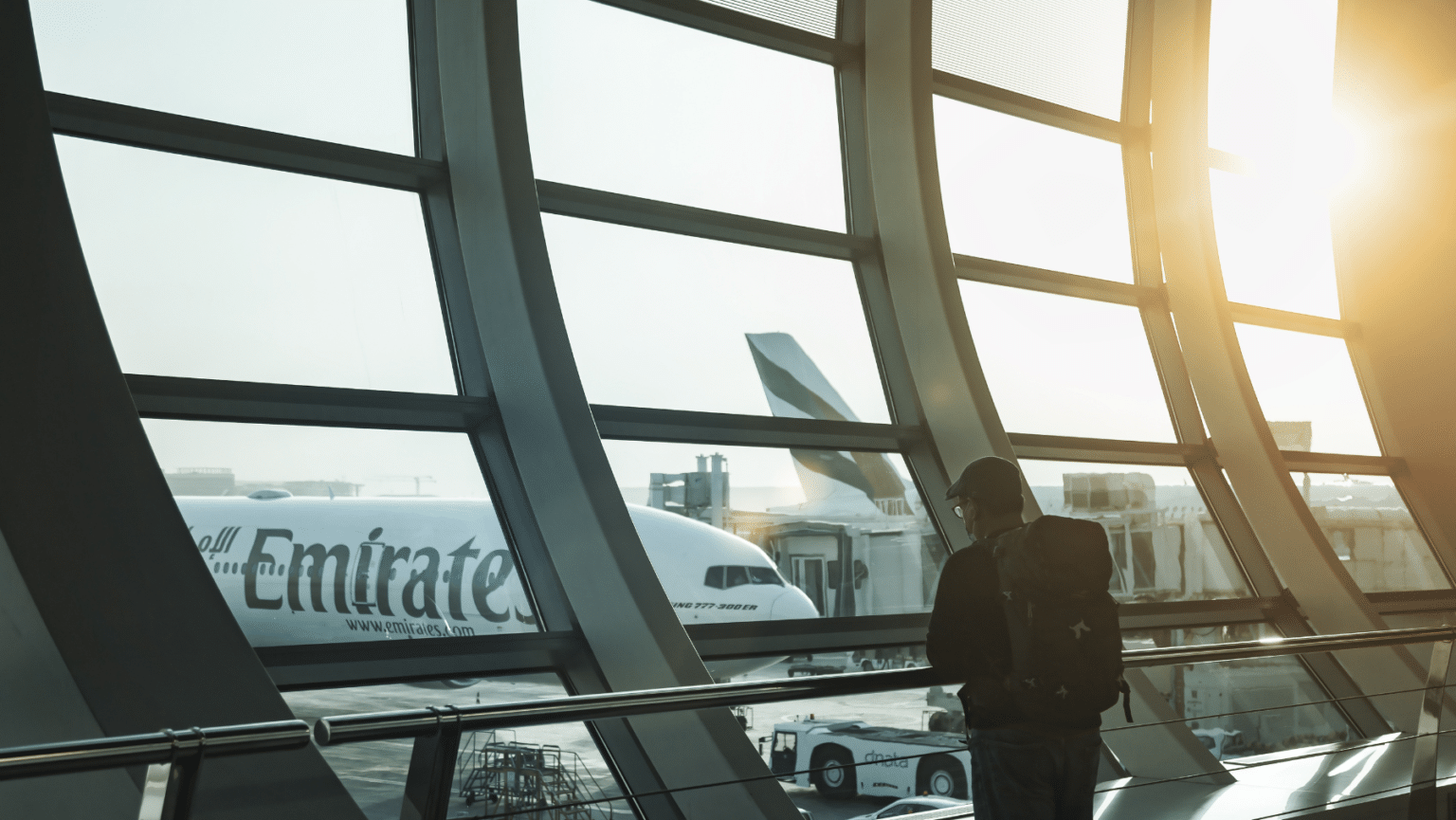
For cruise passengers, most would have booked their European sailings 12 to 18 months ago, well before Iranian missile strikes on Middle East airports in late February upended Etihad, Emirates and Qatar Airways.
So while the ships are still sailing, they are just getting harder to reach.
The budget-conscious traveller who can’t afford to change appears to be weighing up the risk that it’s worth taking the flight to get to Europe even though their travel insurance may not be worth much because most policies have exclusions about “acts of war” and “no travel warnings”.
The Insurance Council of Australia advises travellers to contact the airline or travel agent in the first instance and their insurer before making any decision
“Most travel insurance policies exclude claims caused by war, armed conflict, or military action, and do not cover cancellations simply because you have changed your mind about travelling,” it said.
“Even though the Australian Government says do not travel there, [passengers consider] that’s as a destination. So as a connecting through point, people are actually still travelling on the Middle Eastern carriers.”
Kavanagh is also definitive about what passengers need to do before heading off on a trip or buying more flights.
“The single most important thing travellers need to understand is the insurance implication,” he said.
“If you’re transiting through a region that carries a do-not-travel or do-not-transit warning, your travel insurance policy will not cover you. It’s definitely a personal risk you need to weigh up, so I’d recommend going through all the options with your travel agent so you can make an informed decision.
The ability to absorb the hit, no matter where it comes from, is what separates the top of the market from everyone else. “The luxury customer is pretty resilient anyway,” Kavanagh said. “If they can fork out that money, they’ll find a way to get there.
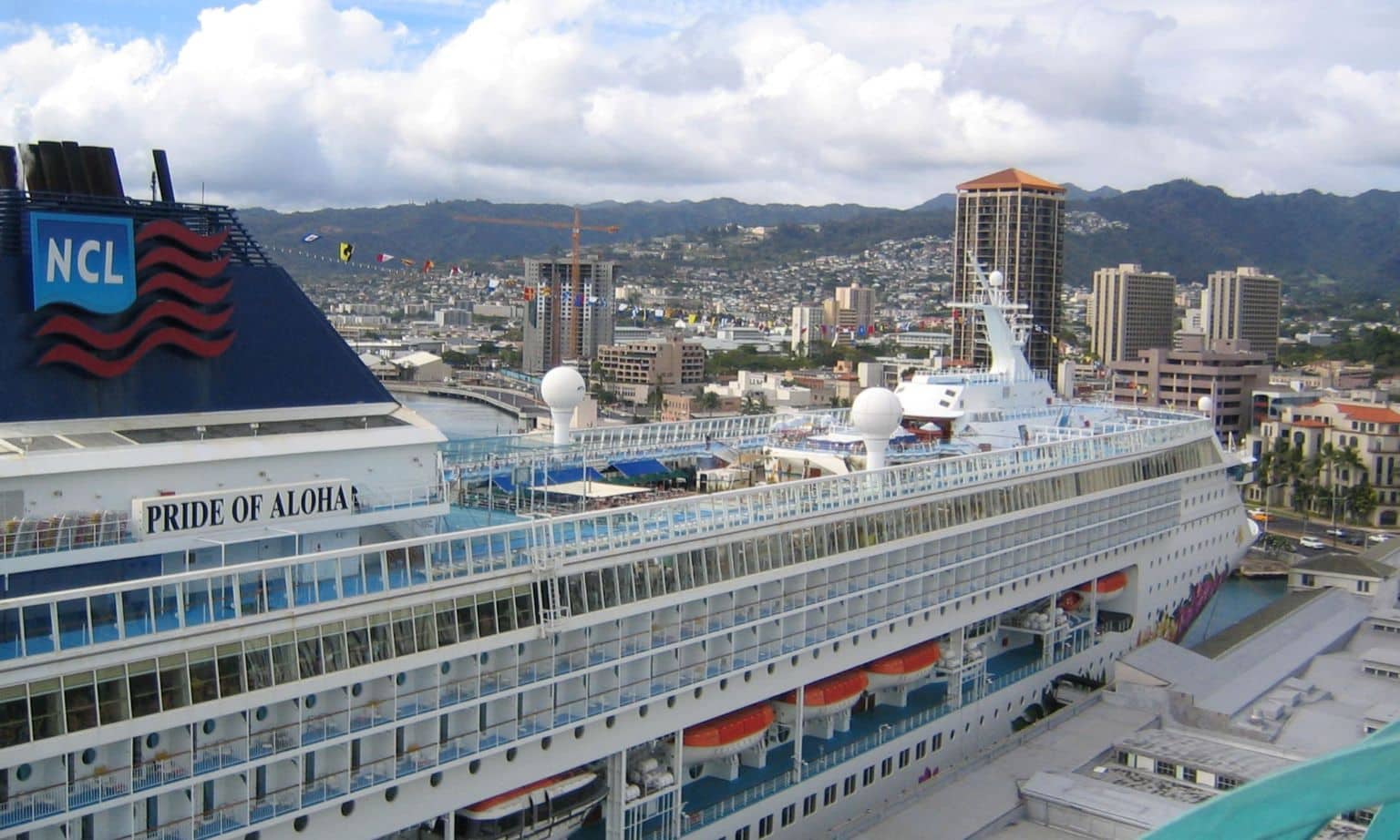
What Kavanagh is also seeing is that the average travel-mad Aussie is snapping up cruise deals away from Europe that are coming on to the market to drive demand.
“We’ve started to see a bit of a lift in places like Canada,” he said.
“Japan has continued to be popular regardless, as it has for the last three years. Aussies want to travel, they want to have a break, they want to have a holiday and they’ll find out where they can go. After all the major events [in the Middle East] had happened, the first things that came out were sales to Hawaii, and then Japan and Canada started to get more attention.
“So it’s really shifting attention to where people can actually travel to.”
The Department of Foreign Affairs and Trade still advises against travelling to, or transiting through, Qatar or UAE as “the situation in the Middle East region remains volatile. There remains a risk of attacks and escalation.”

Related Posts
-

Return economy Sydney to London flights are on offer for $1500, while business class can be found for $3500. But are they worth the risk?
-
Flights to Europe through the Middle East are resuming but the situation remains unstable, leaving travellers still looking at other routes.
-
Middle East troubles have meant huge numbers of airlines have cancelled flights to and from Europe. That means chaos for Aussies who have booked cruises or want to come home.…
-
Celestyal, the two-ship line that usually plies the Mediterranean, is making the Middle East its home for half the year. It has agreements to sail to ports across the region…