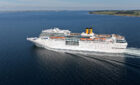

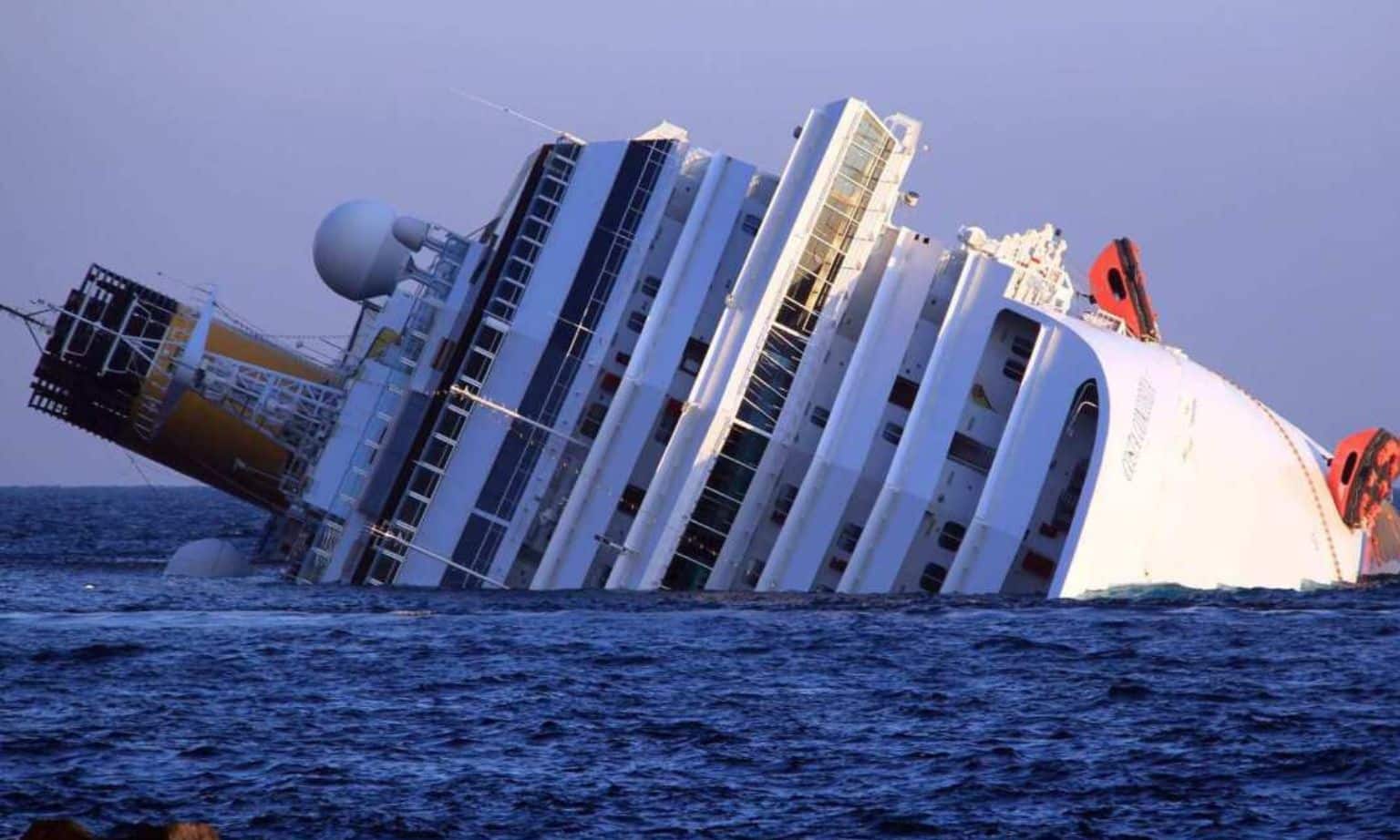
- Netflix is releasing a new documentary, ‘Shipwrecked: Nightmare at Sea’, which will focus on the events of the Costa Concordia disaster.
- Costa Concordia hit a rocky outcrop after steering too close to the shore in Italy. This led to an emergency evacuation and the death of 32 people.
- The maritime disaster forced a sweeping overhaul of global cruise operations and maritime regulations.
Netflix is releasing a new documentary about the disaster of Costa Concordia, a Costa Cruises ship that capsized in 2012, claiming 32 lives. The documentary, which will be released on July 10, brings together survivor accounts, archive footage and a deep dive into the tragic events.
On January 13, 2012, the ship struck a rock in the Tyrrhenian Sea, which tore a 53-metre gash in the port side of the hull. Soon after impact, parts of the engine room flooded, cutting off power from the engines and ship services.
As water started to fill the ship, the vessel listed as it drifted back to the shows of Isola del Giglio and rolled onto the starboard side.
But it is also a tale of deceit and intrigue, where the actions of the ship’s captain led to the deaths of passengers and crew.
The event was a huge outlier for modern cruising history, with the only comparable event being the sinking of the MS Estonia in 1994, which resulted in more than 800 deaths after the ship sank in the Baltic Sea.
However, the story of Costa Concordia remains unique to modern cruising in its scale and level of tragedy, and the background of
Since the disaster, the cruise industry has increased its safety protocols and technologies since the incident, making cruise ships safer than they have ever been before.
Why what happened to Concordia isn’t likely to repeat
The errors of the captain
The captain of the ship Francesco Schettino was eventually found guilty of manslaughter and sentenced to 16 years in prison, being convicted of manslaughter, causing a maritime disaster and abandoning the ship.
Schettino was found to have steered the ship too close to shore and had all sorts of other allegations made against him, one being that he slowed the ship down to ‘finish dinner in peace’ and another that he made his first officer check the ships radar for him because he had forgotten his reading glasses in his cabin. There were even unproven reports that traces of cocaine were found in his hair samples.
He also had a lover on the ship, who was sailing as a non-paying passenger, and the courts alleged that her presence on the ship “generated confusion and distraction for the captain”.
Throughout the process Schettino was slow in ordering an evacuation and deviated from protocol several times.
Extraordinarily, Schettino left the ship while thousands of passengers were still onboard, and tried to claim that he tripped and fell into a lifeboat. He would then refuse the Italian Coast Guard’s orders to return and take charge of coordinating the evacuation.
While this was a terrible accident, the courts judged that negligence played a crucial role in the ship and its passengers suffering the fate that they did.
Safety advances for modern cruise ships
Today, cruise ships are more technologically advanced than ever, and while occasional collisions do happen, they are becoming increasingly rare and haven’t resulted in anything similar to the capsizing of Concordia.
Cruise ship navigation technology is now more advanced, often integrating artificial intelligence and smart bridge systems, which work to reduce human error. These use cameras and sensors on the ship to create digital cartography of sea routes and surrounding areas, essentially creating an underwater map for captains to use.
This is coupled with advanced satellite technology which navigates from above, and also tracks weather conditions so captains can be prepared ahead of time to avoid or deal with harsh weather. GPS offers accuracy within metres to be able to detect any possible collision, and even if human error occurs, the navigation systems will override it if a ship is steering too close to a dangerous area.
New cruise ship stabilisers even work like underwater wings, keeping the ship steady even in rough conditions.
Even in the case of disasters, lifeboat technology is evolving as well. Newer lifeboats are high-tech and safety-optimised. With new lifeboat technology, up to 1000 passengers can be evacuated in just over 20 minutes.
Even outside of new technologies, cruise lines now have stricter protocol in training crew for evacuations, and performing physical or digital muster drills to ensure passengers are prepared as well.

Related Posts
-

Costa neoRomantica Published by Jane Archer Published on 27 November 2024 AccommodationFoodActivitiesFamilies .entry-header{display:none;} Previously called Costa Romantica and now knows as the Costa neoRomantica the ship was…
-
Costa neoClassica Published by Jane Archer Published on 27 November 2024 AccommodationFoodActivitiesFamilies .entry-header{display:none;} The Costa neoClassica is elegantly designed and built in 1991. It was refurbished in 2011-2012 where…
-
Costa Victoria Published by Jane Archer Published on 27 November 2024 AccommodationFoodActivitiesFamilies .entry-header{display:none;} Built in 1996, Costa Victoria can accommodate 1,928 guests on its 10 passenger decks, along with 800…
-
Costa Serena Published by Jane Archer Published on 27 November 2024 AccommodationFoodActivitiesFamilies .entry-header{display:none;} Built in Italy and launched in 2007, Costa Serena can accommodate 3,000 passengers with 1,090 crew throughout…