

- The United States and Iran are set to officially sign a peace deal on Friday.
- The cruise community is cautiously optimistic the deal will provide relief to the travel industry.
- Flight Centre boss Graham Turner predicts a fast rebound, particularly for Middle Eastern airlines.
The United States and Iran have agreed in principle to a peace accord that will end military activities. The agreement is due to be signed on Friday, and US President Donald Trump has claimed “oil will flow” after the deal is signed, which has already led to a fall in oil prices.
The travel industry is already breathing a collective sigh of relief, with Flight Centre Travel Group CEO Graham Turner today telling trade publication Travel Daily he thinks travel can see a fast rebound, including flights through the Middle East.
“The average seasoned traveller is reasonably comfortable already with flying through the Middle East, but obviously there are still people who will be nervous. So, assuming this [peace deal] does hold, I think it will make a major difference over the next few weeks.
“The Middle Eastern carriers are really important to Australia…pre-war they accounted for about 35% of traffic to Europe and the UK – which is a huge number.”
Indeed, most Australians reacted with relief that air travel might resume through the Middle East quickly.
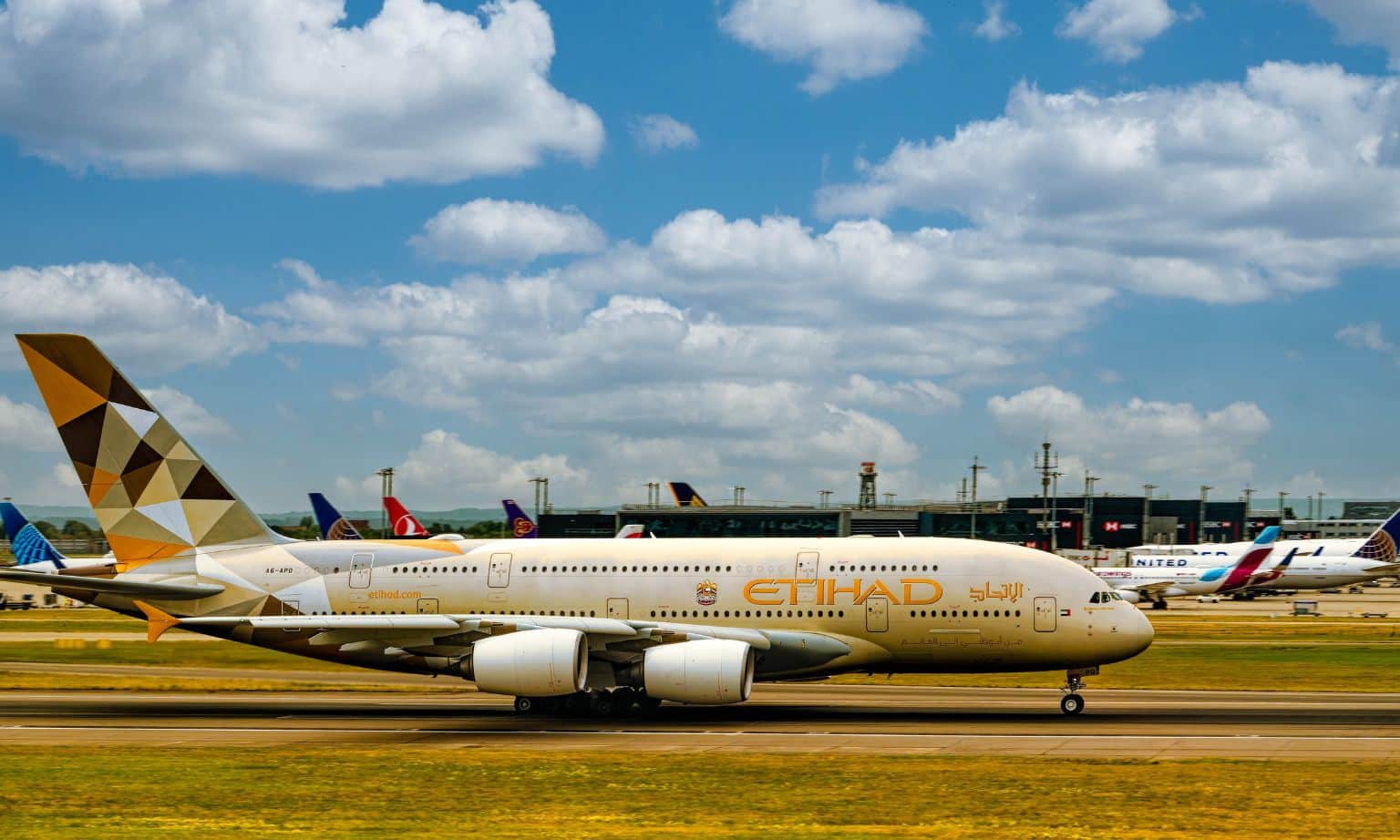
Before the conflict escalated, Emirates, Qatar Airways and Etihad collectively carried 35% of Australia-Europe traffic because they offer convenient one-stop connections through Dubai, Doha and Abu Dhabi. When the conflict disrupted Gulf airspace, Australians suddenly lost one of their main pathways to Europe.
The disruption was significant enough that:
- Emirates, Qatar and Etihad cut or suspended services.
- Virgin Australia’s Qatar partnership was affected.
- More than 150 weekly flights were reportedly removed at one stage.
- Australian travel patterns shifted away from Europe and towards Asia.

How Australian travellers greeted the news
The most common reaction is practical rather than political. Many Australians are simply hoping flights become more reliable, insurance concerns ease, and fares stop rising.
Travel advisers reported that many customers had been specifically worried about transiting through Dubai, Doha and Abu Dhabi and were switching to Asian routings where possible.
Pricing was a particular concern, with a recurring theme airfare pricing.
During the conflict, alternative routings via Singapore, Hong Kong, Tokyo and North America became more important, but they were often more expensive and involved longer journey times.
Australian travellers are hopeful that a durable peace agreement could put downward pressure on Australia-Europe fares.
Shortly after the announcement, there is still a lot of hesitation on forums dealing with the issue.
Smartraveller currently continues to warn Australians about travel and transit through parts of the region, noting that airports, infrastructure and airspace can be affected at short notice. As a result, many travellers appear to be taking a “wait and see” approach:
Interestingly, Melbourne Airport is already highlighting the return and expansion of Qatar and Etihad services from today, reflecting how important these connections are for Europe-bound Australians.
Generally, the cruise community reaction like this:
- 60–70% cautious optimism
- 20–30% skepticism
- 10% excitement about future itineraries and bargains
Key questions for cruisers
There will be some key developments to watch over the coming weeks that will determine when and if travel gets back to normal.
1. Will travel warnings come down?
The travel industry has been applying pressure to the Australian government to remove or relax its travel warnings for Middle Eastern destinations, particularly given that the warnings apply for transit only, not just extended travel.
SmartTraveller warnings not only greatly influence Australians in making their travel decisions, but the highest level warning of ‘Do Not Travel’, also means that Australian companies won’t offer insurance for these destinations. The UAE and Qatar currently have the level four ‘Do Not Travel’ categorisation.
If a peace deal is agreed and military activities cease, this would surely mean that the government would downgrade its advice for Middle East travel, particularly for transit-only travel, which would make Australians much more relaxed and likely to begin flying through the Middle East again.
The timeline over which the government would do this can only be speculated, but if the deal is officially signed on Friday, the travel industry likely won’t wait long before making it clear they want those warnings removed.
2. Will air prices come down?
With the price of jet fuel doubling since the war began, this has been reflected in airfares around the world. While Middle Eastern airlines are actually offering incredibly low prices to try and entice nervous travellers, flights across the entire world have risen, often in the range of about 20% to 40%.
Flight Centre’s Turner thinks it will likely take a while after the deal for fares to begin coming down again.
“Fares will not come down overnight; it will take a bit of time for the capacity to really come
back and for the confidence of people flying via the Middle East,” he said.
Given all the supply chain complications and infrastructure damage caused by the war, it could take years for airfares to come all the way back down, but what’s more likely is that they won’t come all the way back down.
What will more likely happen is a gradual but noticeable drop over the coming months, and Middle Eastern airlines in particular will likely offer lots of deals as they look to entice travellers and make up for lost time. There are already extremely appealing deals for flights to Europe from Australia that go through the Middle East, with many Australians opting not to travel through the Middle East as travel warnings persist.
If you’re hoping to get good flight deals, the best thing you can do is try and be extremely attentive to travel warnings, and try to get a promo or special price as soon as the warnings are removed, as capacity will likely fill up again fast.
Will cruise prices come down
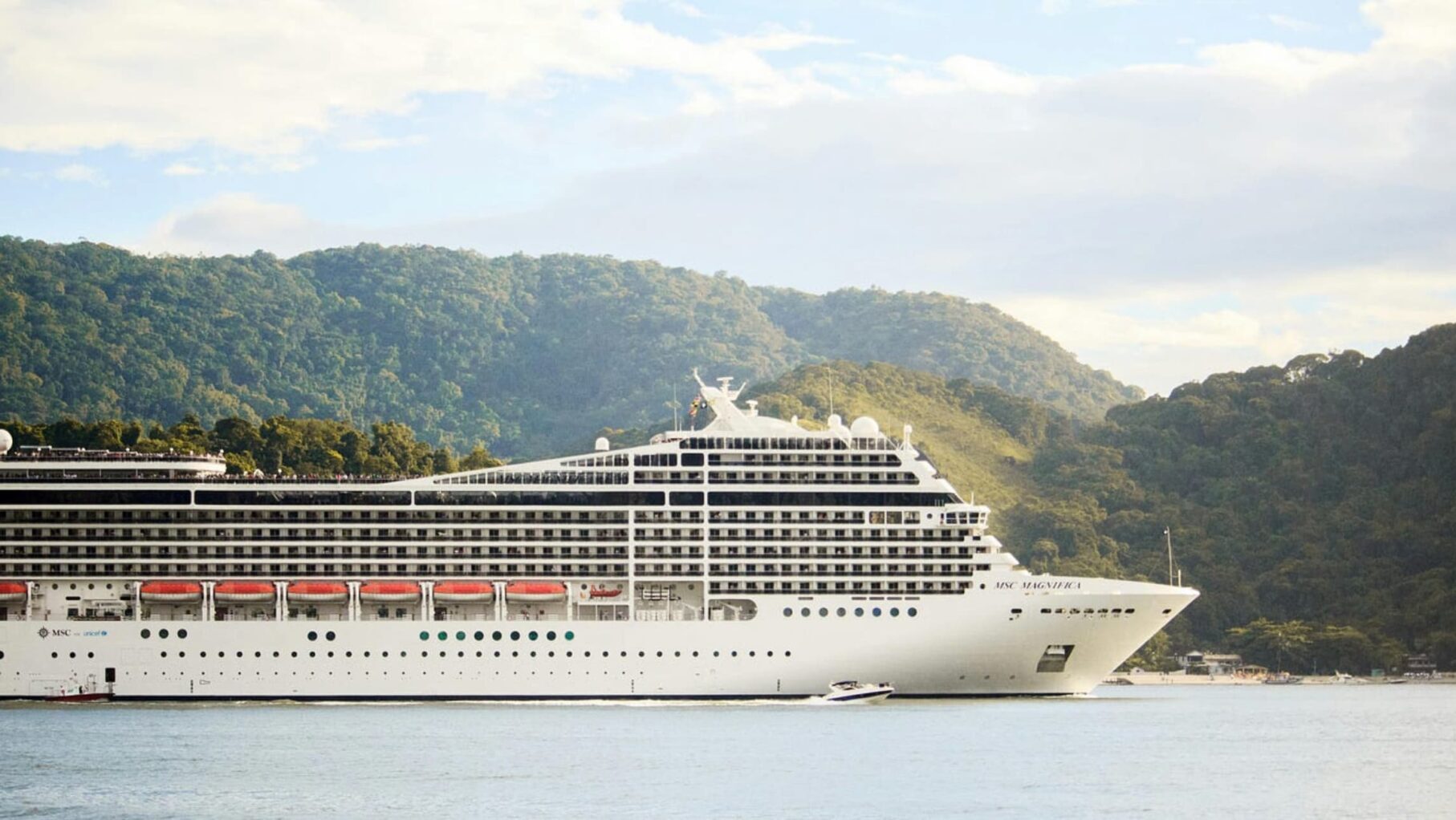
As people from Australia and from around the world stopped travelling to Europe, many cruise agents have been reporting that clients have been searching for cruises close to home.
A peace deal could see cruise lines in Europe with last-minute cabins that they’ll be looking to sell as people reconsider the possibility of a Euro summer trip.
While a last-minute European trip in the past has tended to be an expensive ordeal, that could all change this season as cruise lines look to fill up their ships. Similarly, look out for places such as Flight Centre, TripADeal and other Aussie travel agents and agencies who could offer packaged deals, bringing together cheaper Middle Eastern flights with cruise promos.
Eastern Mediterranean cruises that visit places like Greece and Croatia, as well as Northern European cruises up to Scandinavia, were particularly hit by cancellations, so these are probably the best places to start looking for deals.
It would be best to act fast, but cautiously. One option is to snap up a cruise deal as fast as you can, and see if you can book a backup flexible flight through Asia.
Will world cruising come back?
We’ve seen many greatly varied cruise itineraries due to the skipping of Middle Eastern ports, a necessary decision after the United States attacks initially left a series of cruises trapped in the Middle East.
It isn’t very common for a cruise line to bring ports back or change an itinerary again after it’s already been changed, as this generally incurs even more costs for the cruise line. And passengers have already bought the itinerary advertised.
Therefore, if you’ve had any itineraries changed due to the war, it’s fairly unlikely that your cruise line will change it back. For example, many world cruise itineraries were changed to avoid the Middle East, and it’s unlikely that these will be restored.
However, for cruises that are still a while away and haven’t had official itinerary changes, if the conflict ends and the peace deal appears stable, it’s likely that cruise ships will return to the Middle East.
Should you cancel your backup flights?
Many travel advisors have been suggesting that customers buy a backup flight to Europe that generally goes through Australia, but is flexible and can be cancelled if necessary.
If you’ve done this but think you’ll feel comfortable flying through the Middle East if a peace deal is signed, the key thing to do is to closely read the conditions of your booking.
Some airlines will offer cancellation and refunds only a certain time before booking, such as seven or 14 days. Whereas others will offer cancellation right up until the day of the flight.
Given that you already have the backup flight, the best thing you can do is hold onto it for as long as possible, in case circumstances change. Therefore, closely read your policy, and then set a reminder in your calendar for when your flight has to be cancelled by, and you can keep it until at least that date, and then read the latest travel warnings and advice, and make your final decision then.

Related Posts
-

New survey reveals that our readers are among the world's most resilient travellers, carrying on cruising despite a world in crisis
-
Airline prices have skyrocketed, travellers are marooned in uncertainty and people are looking for travel closer to home.
-
Here's what you need to know about cruising during the Middle East conflict.
-
A combination of geopolitical events, rising interest in cruising has all experts saying the same thing, if you want to cruise next year, book now!