
Onboard the Four Seasons Yacht in Palau to see a different side of Asia

When I told friends I was visiting Palau, the most common response I received was: “Sounds lovely – but where is that exactly?” A lack of brand recognition isn’t usually something to strive for, but Palau doesn’t see it that way. As other countries around the world grapple with the impact of mass tourism, remaining under the radar is a key objective of this island nation.
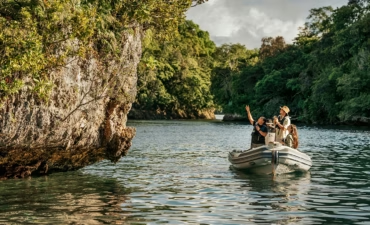
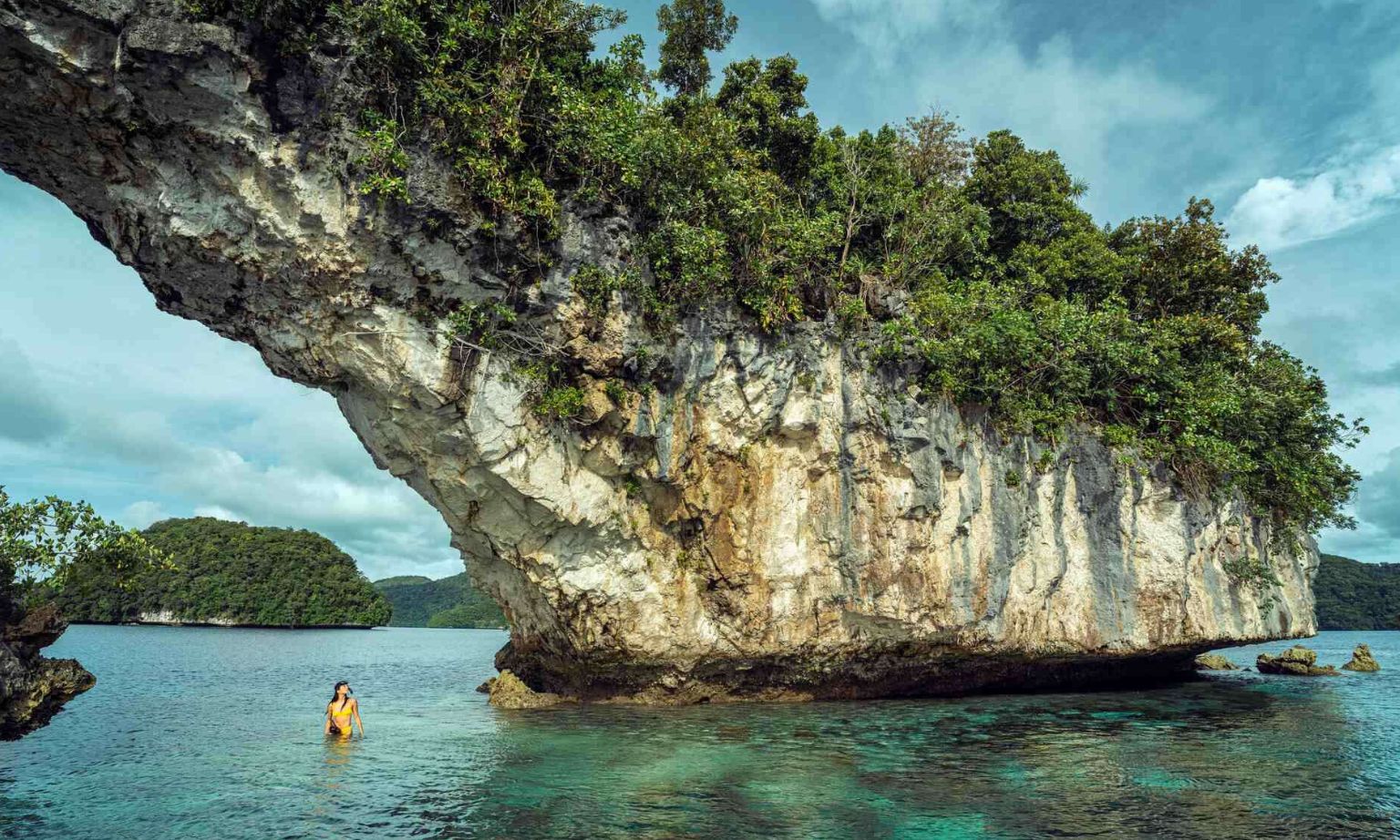
Around 650km northeast of Papua New Guinea, the Republic of Palau is home to just 18,000 people, making it the fourth-smallest sovereign state on the planet. Though it comprises about 340 islands, only nine are inhabited. Many of the others are entirely untouched and set in spectacular clusters of towering limestone and coated from shoreline to peak in ancient tropical forest.
Just 41,227 tourists visited the country in 2023 and less than 1,200 of those were from Australia. But with the recent launch of direct flights from Brisbane, these isolated islands are now more accessible than ever.
Despite a potential Aussie influx, the government is determined to protect paradise. In 2020, the Palau National Marine Sanctuary was established, covering 80 per cent of the country’s waters, an area larger than France. Since 2017, every tourist who enters has been obliged to sign the Palau Pledge, a commitment “to act in an ecologically and culturally responsible way on the island, for the sake of Palau’s children and future generations of Palauans”.
Which is not to say tourists are unwelcome. Palau still needs to consider economic necessities – especially when the country’s close relationship with the US means its citizens can easily study and settle there, an arrangement that has seen a considerable brain drain. However, it’s keen to bypass the high-impact, low-spending tourism model seen in places such as Thailand, in favour of fewer big-spending luxury travellers.
It certainly isn’t the only country doing its best to deter backpackers in favour of the wealthy. During the pandemic, Fiji implemented the Blue Lanes initiative to attract superyacht-owning billionaires looking to rent out entire islands. In Bhutan, visitors are charged a sustainable development fee of US$100 ($149) per day – putting it beyond the reach of any budget travellers. Palau’s strategy involves partnerships with upmarket airlines (don’t expect Jetstar to be landing soon), substantial tourist taxes (more on which below) and a careful hotel development policy that focuses on high-end properties. It wants to become the next Seychelles or Maldives, not another Bali.
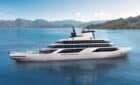
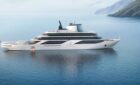
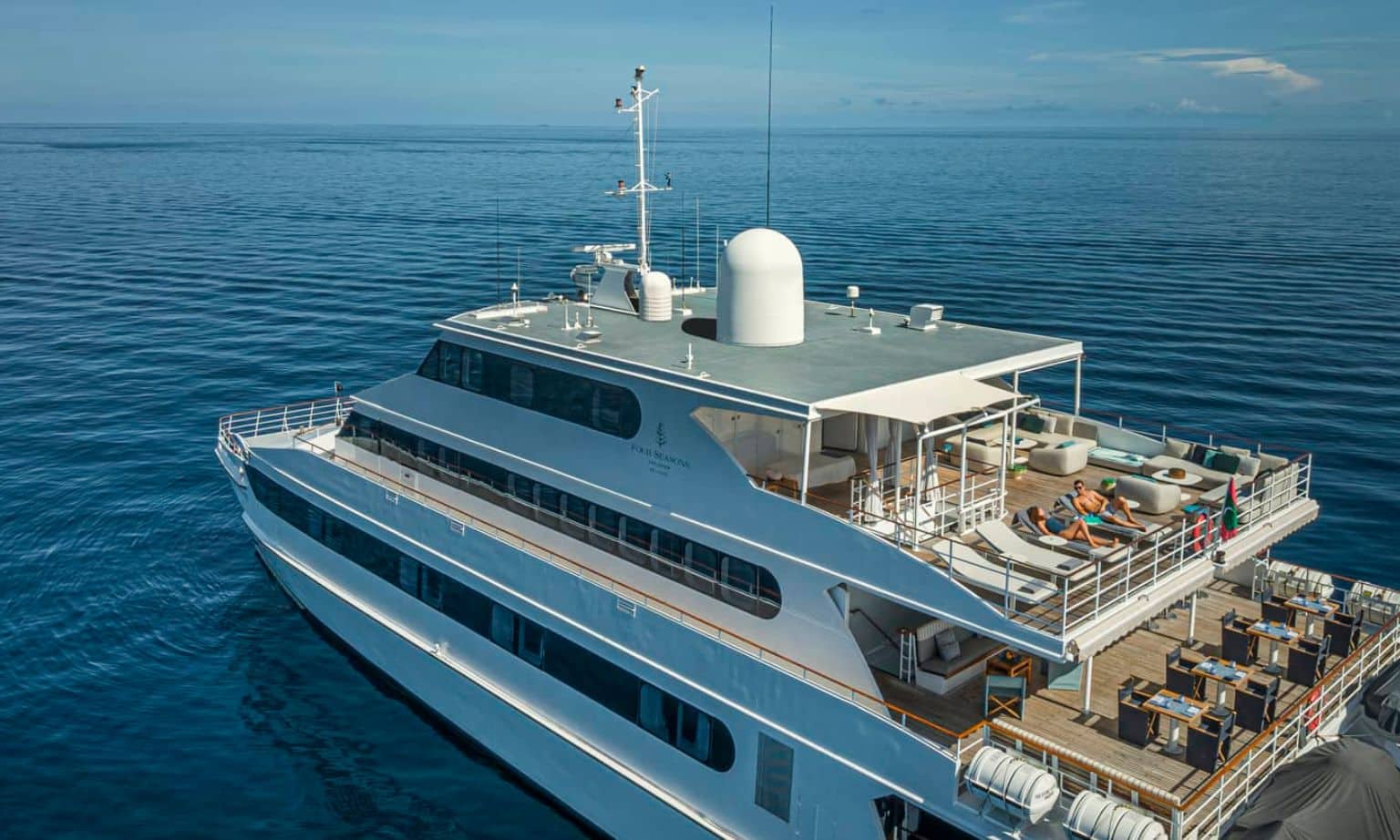
All of which makes the recent arrival of Four Seasons, the first international hospitality brand to establish a presence in Palau, entirely unsurprising. Launched in October 2023, Four Seasons Explorer isn’t a hotel but a plush 39m catamaran that is now undertaking voyages around the sprawling archipelago. Its rolling cruises have no fixed departure dates, so incoming guests can arrive when they please and stay for as long as they want.
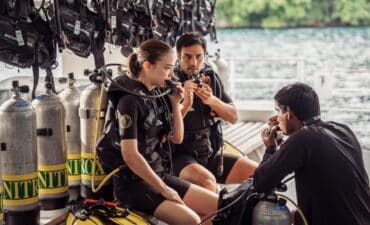
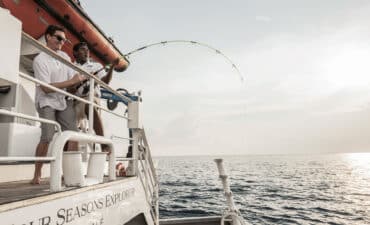
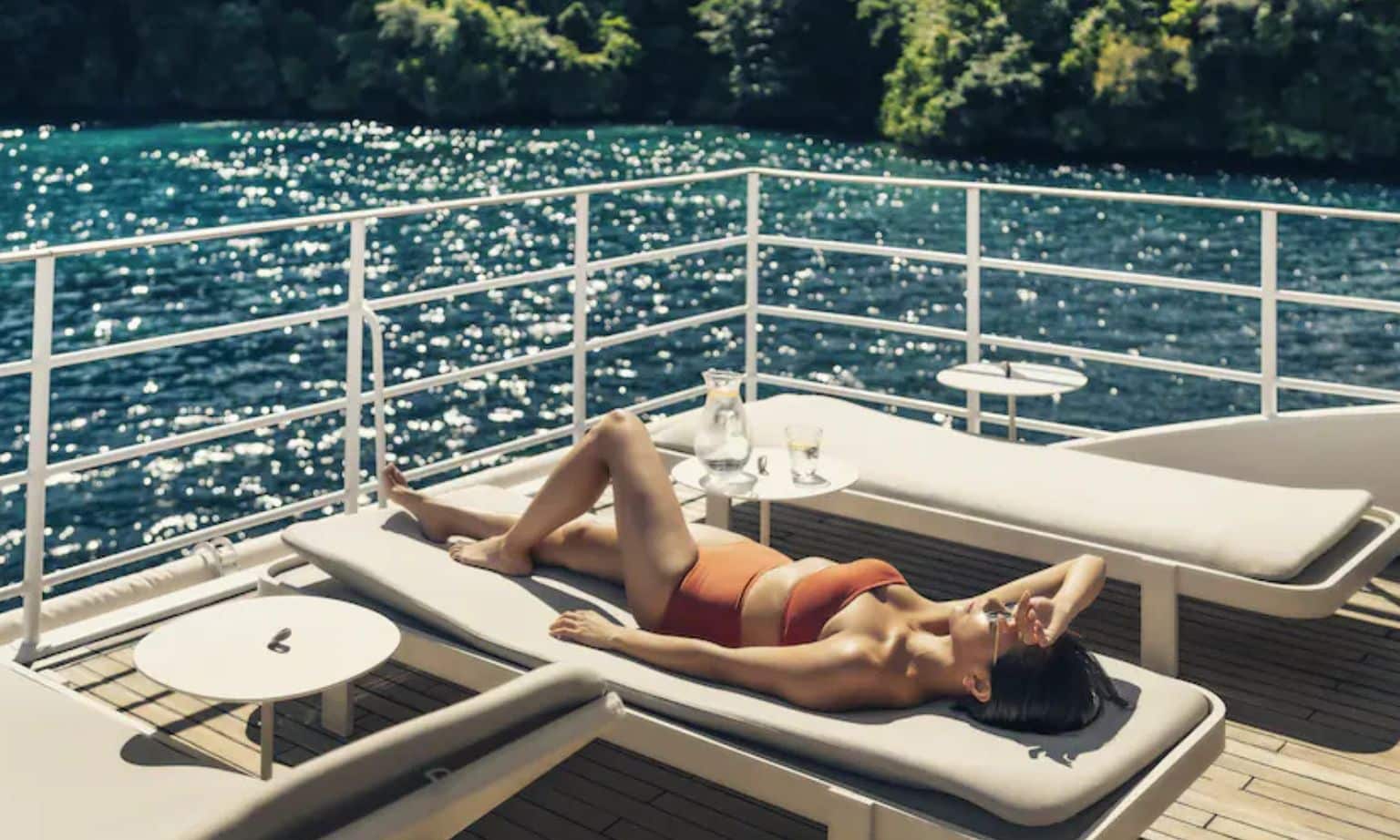
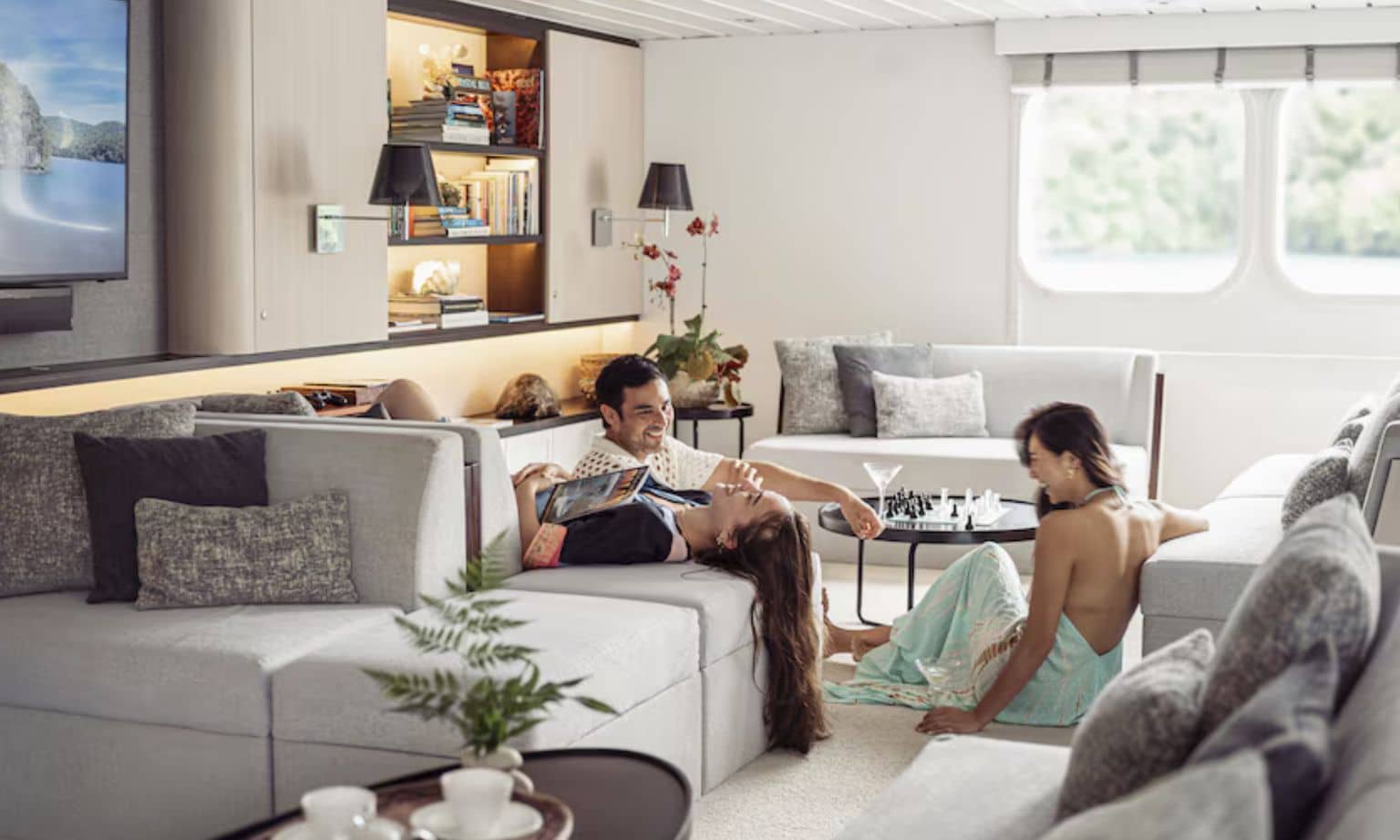
After landing in Palau, a tender will ferry them to the larger vessel – wherever it might be. Once onboard, they’ll enjoy a Palau experience without comparison in terms of service standards, cuisine, activities and overall extravagance. Passengers reside in one of 10 staterooms or the grand master suite. Mornings begin with yoga on the deck, and days are spent attending nature talks and cultural tours, kayaking, snorkelling and diving. It’s about as close as you’ll get to owning your own superyacht.
Four Seasons operates more than 100 properties around the world, but the concept is breaking new boundaries for the company and represents the first stage of a broader, long-term investment in the country. Construction of a Four Seasons resort on an uninhabited island near the capital, Ngerulmud, will begin shortly. Already it is offering training programs for Palauans to learn the fine art of luxury hospitality, including placements at Four Seasons resorts in the Maldives. Another course involves teaching youngsters how to dive so they might become future scuba instructors.
I got a sense of the impact such commitments are having when I was picked up at the airport by Kaali, a Palauan woman in her early 20s who recently concluded her training in the Maldives and now looks after Four Seasons Explorer clients. Her role meant she wouldn’t need to consider emigrating, and during our drives she proved a fascinating ambassador for the country. I learnt about the Palauan language (ancient, unique and resilient, but newly vulnerable because children are increasingly enmeshed in English-language material online), funeral customs (locals consult a specific Facebook page to find out which ones to attend on any given weekend) and media (despite its tiny size, Palau has five radio stations).
Because Palau is so small, I was even able to meet the president. The son of a conservationist, diver and early tourism entrepreneur, Surangel S Whipps Jr is heavily invested in Palau’s current tourism strategy. He shared a story with me of how, in around 2015, when Palau received a record 170,000 tourists, mostly from China, locals poached hundreds of protected clams from a marine sanctuary to serve illegally in restaurants. “We wanted to discourage that kind of activity,” the president told me.
It was incidents like this that precipitated an enhanced focus on environmental protections, including the establishment of the Palau Pledge and the introduction of new tourist taxes, including the Pristine Paradise Environmental Fee, added to every airline ticket to fund conservation initiatives. To engage in water-based activities, tourists also need to purchase a 10-day permit costing between US$50 ($75) and US$100 ($149), with funds directed towards the Palau National Marine Sanctuary.
Such extra costs will deter many more price-conscious travellers from holidaying in the country, but they’ll barely be noticed by the privileged guests booking a stay on Four Seasons Explorer. Though meals and most activities are included, a couple will pay around $6,500 a night. It’s incredibly pricey, but as we sailed alone through pristine, primordial landscapes still completely untouched by man, I understood why Palau can command such a premium.
Sprouting from the water like mushroom caps, emerald islands were cloaked in bowed ferns and soaring breadfruit trees. Within the canopy we’d sometimes spot native Palau fruit doves, with their violet crowns and wings in vivid lime green. Occasional landings facilitated introductions to Palau’s culture and troubled history. At Airai, one of Palau’s 16 states, local women in colourful skirts woven from hibiscus bark performed ancient songs and dances. At Peleliu, rusted tanks and skeletal military ruins stood as relics of a Second World War confrontation between American and Japanese troops in which thousands perished. It was hard to fathom how something like this could occur in a place that now seemed so peaceful.
Most on board had come to Palau to take to the water. Palau’s reef is in robust good health and the country is renowned for offering some of the world’s best snorkelling and diving. Each evening, the avid divers among our group rhapsodised about encounters with manta rays and kaleidoscopic corals that were among the most vibrant they’d ever seen.
I was happy enough snorkelling. Alone in a sheltered cove one calm morning, I cut through waters so still and dazzlingly clear it somehow felt like I was flying through the air rather than swimming. Yellowed leaves from the trees above me spiralled slowly downwards towards a coral carpet that shimmered with iridescent flashes of amethysts, peppermints and tangerines. For all the bells and whistles the Four Seasons Explorer offered on board, it was having the opportunity to experience such beauty, hundreds of miles from anything resembling mass tourism, that felt like the ultimate luxury.
Expert tips
More superyacht than cruise ship, Four Seasons Explorer promises ultra-luxury indulgence even in the most remote corners of the world.
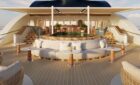
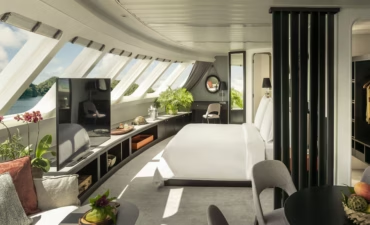
Accommodation: 10 20sqm State Rooms with ensuite bathroom, private refrigerated bar and large porthole window. One 45sqm Explorer Suite with private sundeck, daybed and teak furnishings.
Dining: The onboard restaurant serves a la carte menus that change daily. Meals are inspired by Palauan cuisine, with influences from Asia and the west. Dine indoors at the restaurant or al fresco on the deck. There are also two bars.
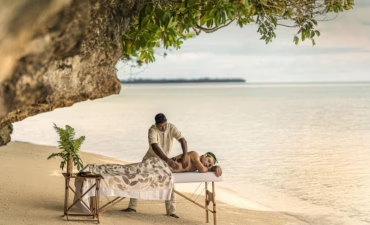
Wellness: There’s a small spa area the Sun Deck, with treatments derived from traditional Palauan healing therapies. Yoga classes are also held on this deck.
Extras: Free Wi-Fi (when in range), onboard videographer, thrice-daily housekeeping, laundry service, reef-friendly sunscreen.
This story was originally published in The Telegraph UK.
Related Posts
-

Four Seasons Yachts has completed the first sea trials of its debut ultra-luxury vessel, Four Seasons Yacht I, ahead of its inaugural voyage in March 2026.
-
The launch of the company's first vessel has been delayed by two months, and will now set sail for the first time in March 2026.
-
This will be the second ship in their fleet, with the first set to start sailing in January next year.
-
Four Seasons Yachts has unveiled what it is like to eat and drink like a millionaire onboard its super-luxe yacht when it launches in 2026.