
- Mexico cancelled Royal Caribbean’s $800 million Perfect Day project this week after a massive online petition recorded four million signatures.
- Hours earlier, the mayor of Barcelona doubled a tax on cruise passengers.
- Cruises have never been more popular. But how do we get the balance between big ships visits and destinations right?
Mexico’s decision to halt Royal Caribbean’s Perfect Day project, which would have produced $800 million of investment and jobs for the local economy, at first sight seems strange. After all, these private cruise destinations are designed to prevent large cruise ships from disrupting the lifestyle of local residents.
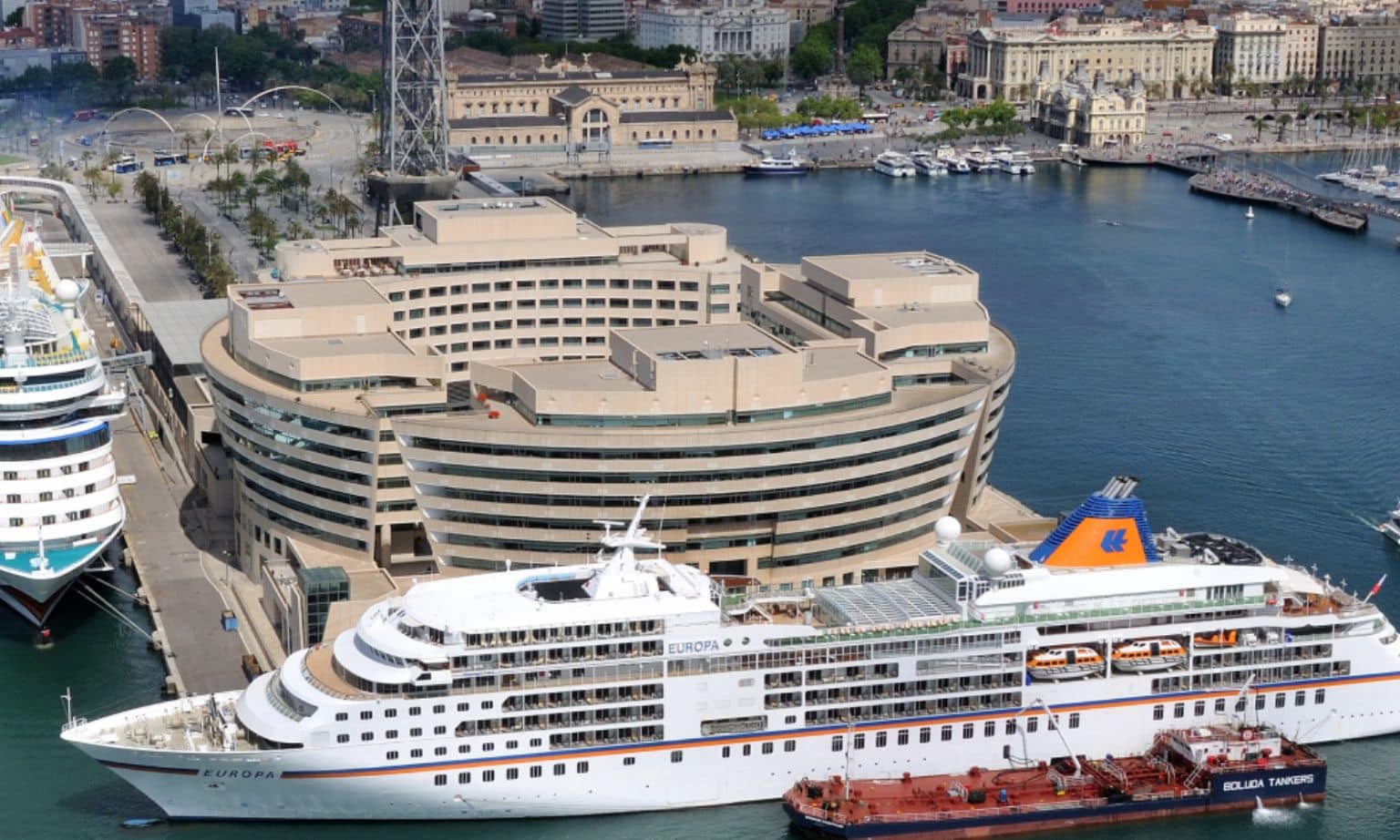
Thousands of miles away in Europe, Barcelona’s mayor announced plans to double the cruise tourist tax and ultimately eliminate non-turnaround cruise calls – an important part of the Mediterranean cruising model. That action is all about the city’s claims that cruise tourism – a small percentage of Barcelonas visitation but the most visible – is affecting the city’s residents.
These two actions are just the latest in a long line of measures which mean, as cruise becomes increasingly popular, the industry and governments need to come together to find a balanced way forward.
From Amsterdam, Santorini, and Dubrovnik to Alaska and beyond, cruise tourism is facing flak. So much so that some are warning that Mediterranean cruises – a firm Australian favourite for decades – may not exist as we know them today.
Cruise tourism has been in a battle to try and prove its value to local communities for years. Cruise Lines International Association (CLIA) regularly releases figures about the large amounts of money that cruise lines spend onshore and how often cruisers choose to spend extra days in the city or country where their cruise begins or ends.
For example, in Australia, domestic cruise passengers spent an average of $504 at turnaround ports, and an average of $195 at transit ports, where they just visit for the day. International cruise tourists in Australia spend even more, averaging $650 at turnaround ports and $270 at transit ports.
Cruises ships face a number of problems that are inherent to the form of travel that lead to cruise ships often having the finger pointed at them, as well as extra regulations imposed.
One is simply the ease of taxing or limiting cruise passengers compared to other types of tourists. Due to the fact that cruise ships are a contained group of people who get processed together coming into ports, it’s easy to add new port or per passenger taxes, or create a limit of how many can enter in one day. This is much harder to do with land travellers, for example it would be essentially impossible for a European city to make a daily tourist cap for land travellers.
Cruise ships also have a tricky reputation to deal with, the visual element of large cruise ships in the centre of a town or city makes them an easy target for local politicians who are feeling pressure around overtourism or environmental concerns. This can mean in some places where cruise travel only makes up a small portion of overall tourism, such as Amsterdam, we see cruise travel hit with more regulations than other forms of tourism.
Then there are environmental concerns. Cruise lines are rapidly innovating to adapt to using shore power, using more sustainable fuels, limiting waste and more, but they are having trouble winning the media war with activitists.
The advantages of cruise tourism
Cruise tourism actually has many advantages that it needs to continue to highlight. For example, as mentioned, many cruisers not only stay longer in the destination where their cruise starts or ends, but also often return to this city or other ports having got their first taste of the destination from cruising.
Cruise can also inject large amounts of tourist money into coastal towns or islands that don’t yet have the ability to build the infrastructure for that scale of tourists in terms of hotels, restaurants. So underdeveloped towns and communities can bring in more tourism dollar than they would otherwise be able to.
Then, for many towns, such as those in Europe, which complain about the impact tourism has on rising rents and the impact of endless Airbnb’s, cruising offers the advantage of allowing tourist dollars to arrive for local businesses, without passengers having to stay overnight and affecting the local housing situation.
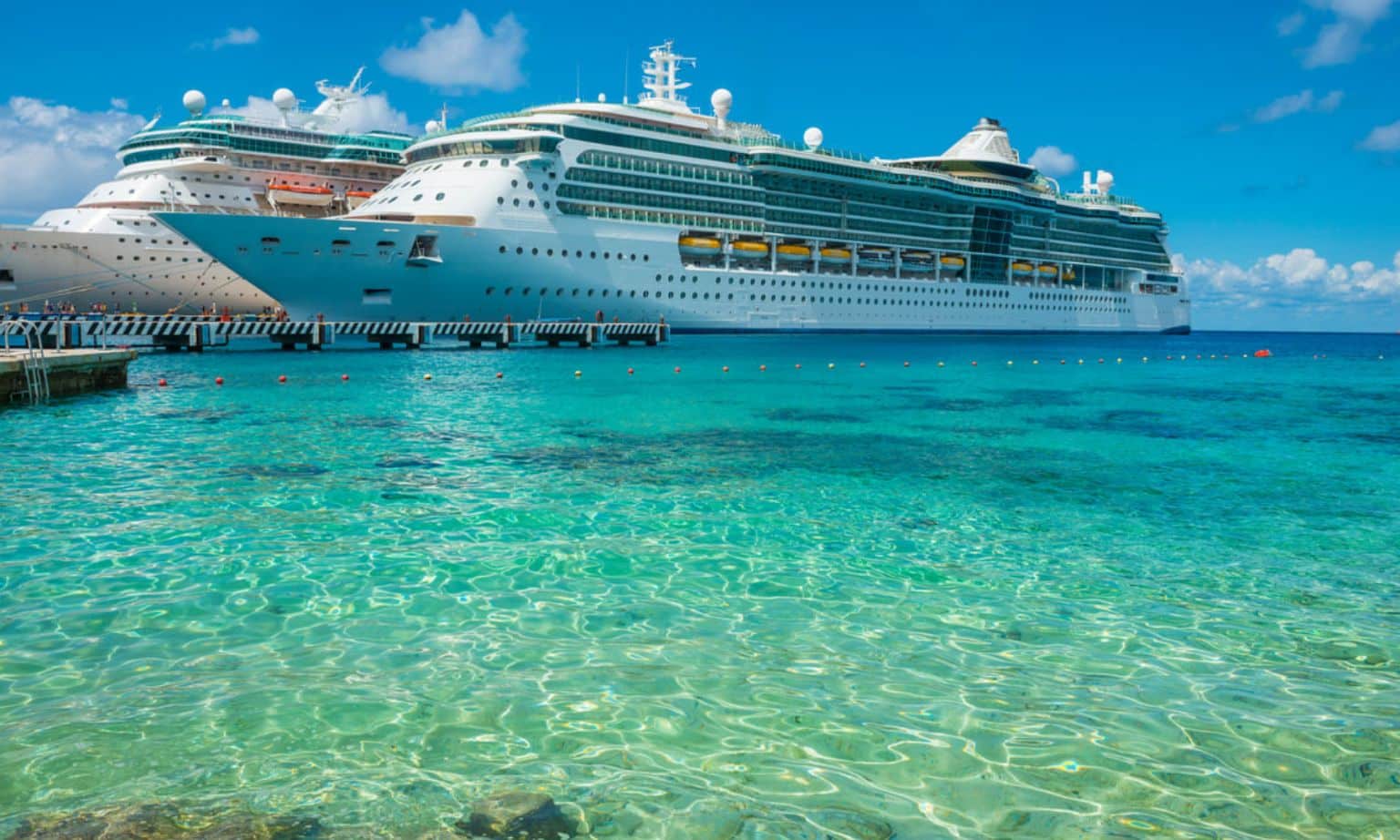
For big ship operators like Royal Caribbean, places like Perfect Day is one answer. In the Caribbean, the world’s largest ship Icon of the Seas plies between US ports and private islands.
Not ideal for some guests, as meeting locals and seeing the local culture is the point of travel.
The places where cruise is facing new barriers
Mexico’s Environmental Minister announced Mexico is pulling the plug on a Perfect Day Mexico that was proposed to be built for the port of Costa Maya. The project was set to open in 2027 and provide a sister experience to Perfect Day at Coco Cay, but after a significant social media campaign against the project, the Mexican government announced it would no longer be going ahead.
Mexico has also implemented new per-passenger cruise taxes, which has started at US$5 and will rise to US$21 by 2028, and could be set to continue rising after that.
Barcelona
Barcelona shocked many by suddenly doubling its cruise passenger tourist tax from €4 ($6.54) to €8 ($13.07).
Jaume Collboni the Barcelona Mayor very openly said this was to “discourage the arrival of cruise passengers”.
Barcelona is already set to scale back its cruise infrastructure, cutting the number of cruise terminals in the city from seven to five.
Barcelona is a key cruise port in Europe, as a classic starting point on Mediterranean itineraries.
Alaska
The key cruise port of Juneau in Alaska has just kicked off its first season with a new cruise cap of 16,000 passengers per day and only 12,000 on Saturdays. The small town of about 30,000 says it hopes to stabilize cruise traffic and relieve some pressure on the local population.
For now cruise caps are minimal and are unlikely to affect overall tourism numbers to Juneau or to the region in general, but the local government Juneau has previously pushed for stricter measures, including days where no ships would be allowed to enter at all, which they could potentially return to in the future.
Australia
Australia is already known as a country with many regulatory barriers and high costs for cruise lines, and at a time when these pressures desperately needed to be relieved, another was piled on.
As part of the most recent federal budget, Australia isn’t the Passenger Movement Charge from $70 to $80, a tax on international travellers, including cruise passengers, who are leaving Australia.
CLIA said in a statement: “Increasing the Passenger Movement Charge places yet another burden on travellers at a time when the tourism community is working hard to overcome challenges at home and overseas.
“Australia already charges travellers some of the highest fees in the world, increasing the cost of international travel and creating a disincentive for overseas visitors.
“This increase is particularly disappointing at a time when the cruise community has been highlighting Australia’s loss of cruise tourism to other regions, and it is a further blow to the country’s competitiveness.”
Amsterdam
Amsterdam has perhaps been one of the most highly publicized cases of a city cracking down on cruising, with plans to greatly reduce both ocean and river cruising. In fact, per current plans, Amsterdam aims to entirely phase out ocean cruising by 2035.
The city has already limited ocean ship visits to 100 per year and just one ship per day. Furthermore, from next year, all ships will need to be able to connect to shore power.
As mentioned, cruise passengers only make up a small portion of visitors to Amsterdam, but there’s a clear intention to cut them out completely in less than 10 years.
Santorini
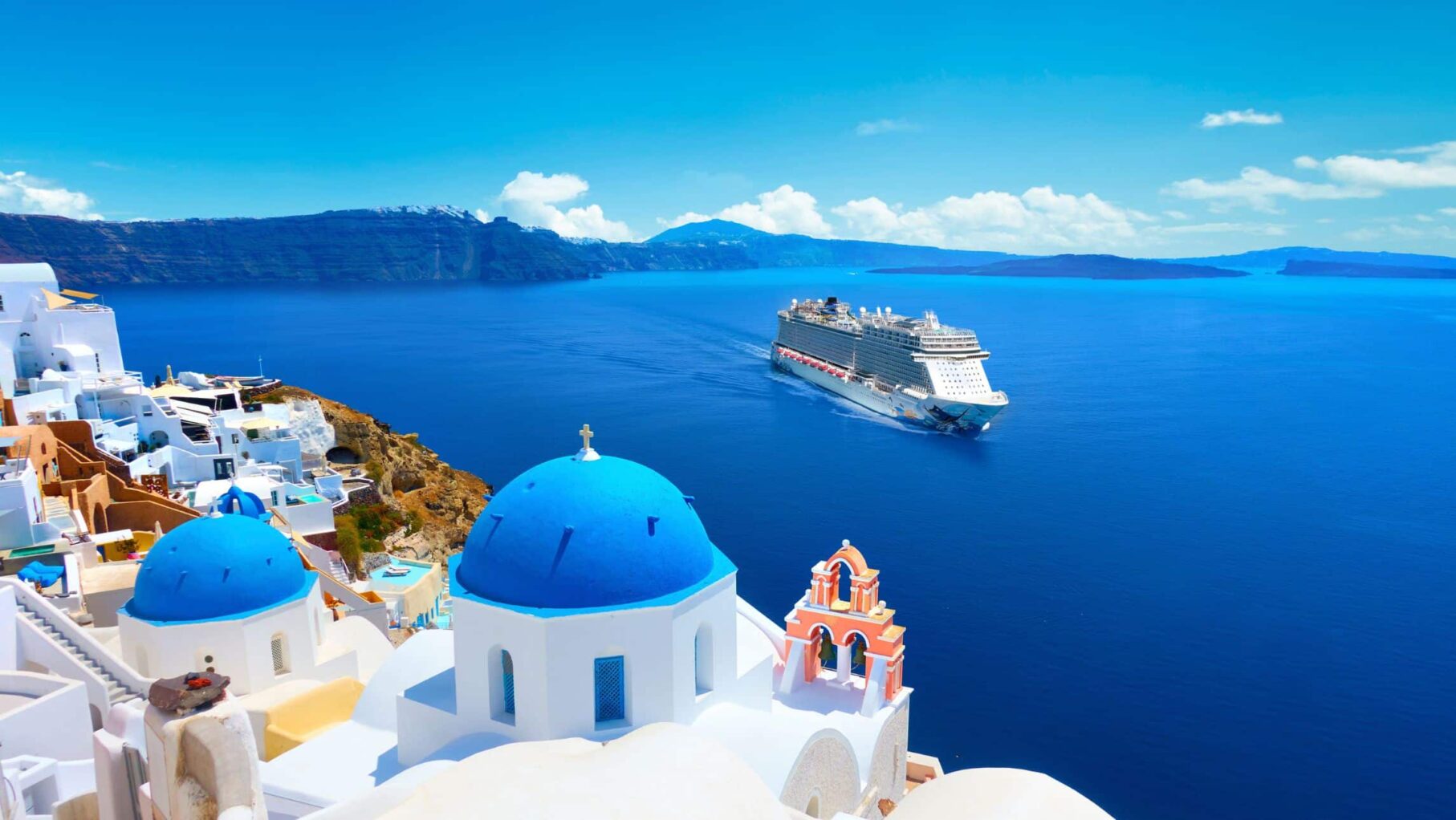
The iconic island of Santorini sees mass tourism from cruise ships and land visitors. It’s a classic case where it would be much more complicated legally and logistically to limit land visitors, but cruise ship visitors can be more easily reigned in.
Santorini is instituting a strict daily passenger cap of 8000 passengers, as well as a new disembarkation fee of US$23 (AU$32).
There have been changes made to the embarking and disembarking process and it’s expected that cruise visitors to Santorini will drop off significantly due to the changes.
Dubrovnik
Dubrovnik is another European town to crack down on cruise, with now only 4000 cruise visitors able to visit at once. Ship arrival and departure times also now have to be staggered, rather than several ships staying the entire day.
Dubrovnik to its credit did work with CLIA on these changes, but the changes will still definitely have a noticeable impact on how cruise operates in the small Croatian town.

Related Posts
-

Regent Seven Seas Explorer is heading to Alaska as the Alaska cruising season kicks in.
-
This would increase the price from €4 ($6.54) to €8 ($13.07).
-
Cruise Passenger readers always have plenty to say about what’s going on in Australian cruise, and in the broader cruise community.
-
Cruising is the ideal way to explore the spectacular sights of this giant continent, which is now firmly on many Australian travellers’ wish lists.