- Cruise Lines are rethinking their policies towards wildlife encounters.
- Passenger pressure means big changes, with two lines making announcements this week.
- Salmon is out of the kitchen and dog sledding through the snow is now banned.
Cruise lines are abandoning wildlife encounters that once filled brochures and bucket lists, as pressure from travellers, regulators and animal-welfare organisations reshapes what “responsible tourism” means at sea.
Moves by Aurora Expeditions and Scenic have set the tone — and now multiple operators are removing sloth, dolphin, big-cat and other hands-on wildlife experiences from their shore-excursion programs.
Aurora Expeditions leads with predator-fish ban
Aurora Expeditions sparked international interest after banning salmon and other predatory fish from its menus — citing the environmental impacts of industrial fish farming. The line is also trialling a world-first Australian AI navigation system and alternative fuels, aiming to reduce vessel impact on sensitive marine ecosystems and polar wildlife.
Aurora has positioned itself firmly in the rapidly growing “ethical expedition” space. Its stance reflects a broader industry shift: nature-based travel should not compromise the animals travellers come to experience.

Scenic Drops Dog-Sledding and Dolphin Encounters
Following a detailed submission from PETA US, Peta says Scenic has removed dog-sledding from its Discovery Yacht itineraries and confirmed it does not offer captive “swim-with-dolphins” encounters.
“There is no difference between the animals who suffer for cheap thrills and the dogs we share our homes with,” says Mimi Bekhechi, Senior Campaigns Advisor, PETA Australia.
“We urge all travel companies to follow Scenic’s compassionate lead by banning dog-sledding and leaving all exploitative activities off travellers’ itineraries.”
PETA claims that dogs in the sledding industry spend much of their lives chained outdoors, and dolphins in swim-with programs often die prematurely due to stress, isolation and confinement.
These lines are not alone in changing policies to chase the new generation of ethical cruise passenger.
What others are doing
Sloths are extremely stress-sensitive animals, yet tourist attractions often require them to be handled repeatedly — sometimes separated from their mothers as infants. Regent Seven Seas Cruises has now removed sloth-handling excursions in the region, aligning itself with growing scientific consensus.
A Central American wildlife expert reports that handling sloths “increases heart rate and can trigger a fight-or-flight response they cannot physically act on”, making it one of the most harmful forms of wildlife tourism.
Mexico’s Mincho’s Law, implemented in phases since 2024, bans or restricts high-impact dolphin interactions including belly rides, push-pull swims and dorsal fin towing.
Royal Caribbean and Celebrity have updated excursion portfolios accordingly, offering either observation-only dolphin experiences or removing the tours completely.
Roatán in Honduras, visited by Carnival, MSC, Royal Caribbean and Norwegian, now prohibits tourist solicitation involving wildlife handling. That includes popular cruise-excursion activities such as holding sloths, posing with monkeys and handling exotic birds.
Cruise lines have restructured itineraries around non-contact wildlife viewing, including protected forest hikes and sanctuary visits.
Norwegian Cruise Lines has moved away from excursions involving tiger and lion encounters in the Caribbean and Mexico. Many such facilities have been condemned by wildlife groups for breeding cubs specifically for tourist handling.
The withdrawal reflects a broader industry understanding that “no-contact big-cat tourism” is the only ethical option.
Carnival Cruise Line, Princess Cruises and Holland America have removed excursions featuring elephant rides, elephant camps and circus performances.
These venues often rely on harsh training methods such as bullhooks and prolonged confinement. Carnival brands now partner only with certified ethical sanctuaries — and in many ports, offer no elephant tourism at all.
Animal friendly encounters
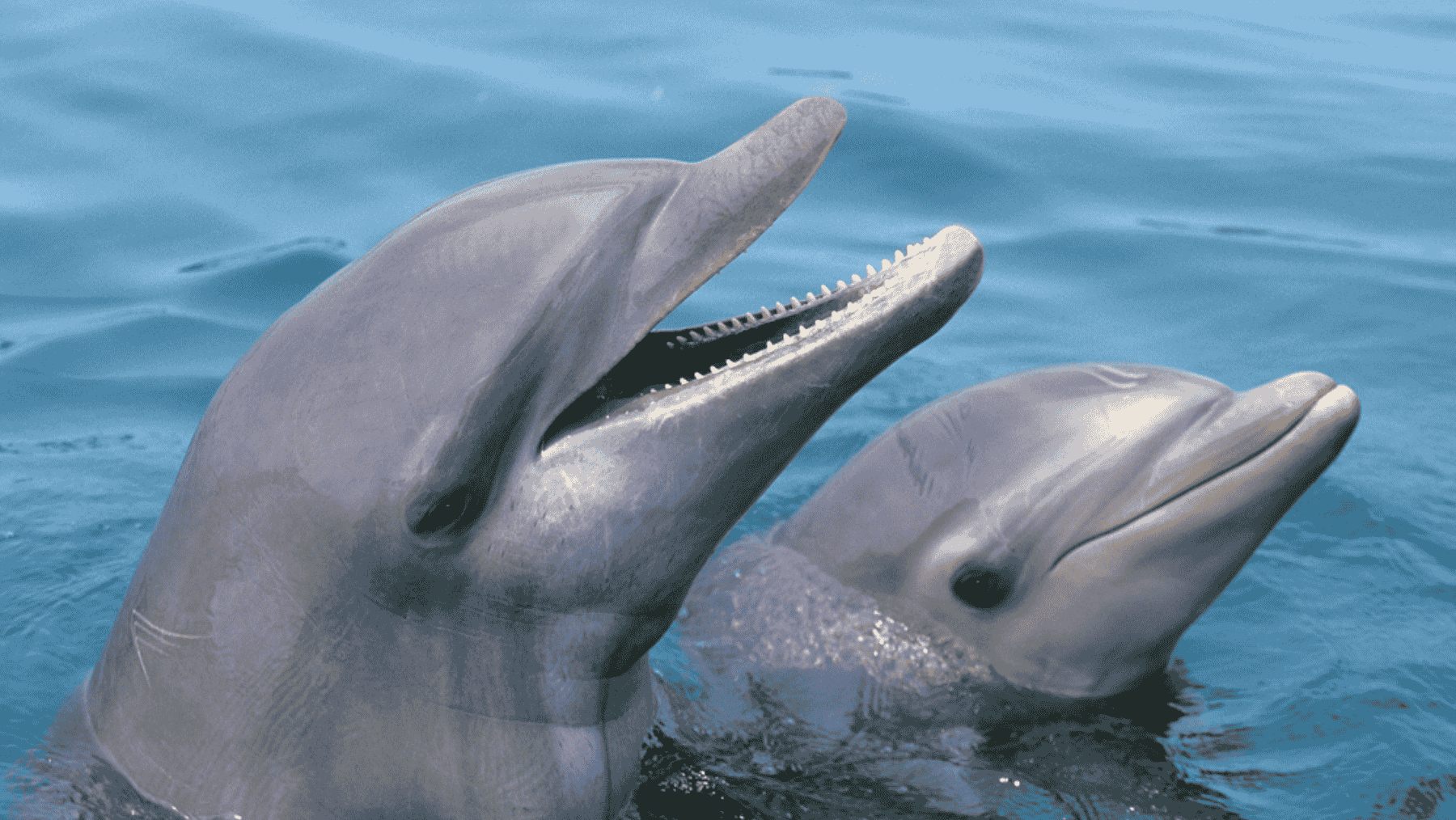
As harmful wildlife encounters disappear from brochures, some cruise lines are increasingly offering ethical, education-focused alternatives.
Whale watching with marine biologists
Off Alaska, Norway, Australia and Baja California, guests can join marine researchers for non-intrusive whale-watching experiences conducted under strict distance and noise guidelines.
Sea turtle conservation walks
In Mexico, the Caribbean and Queensland, travellers can support hatchling-release programs run by licensed conservation groups.
Ethical sloth or primate sanctuaries (no touching, no photoshoots)
In Costa Rica and Colombia, several legitimate sanctuaries rehabilitate injured wildlife for release, with viewing at a distance only.
Guided nature hikes and birdwatching
Lines such as Ponant, Lindblad and Aurora now prioritise local naturalists, small groups and zero-impact trails.
Citizen-science programs onboard
Guests help gather data on seabirds, marine mammals or plankton, contributing directly to science.
PETA says these alternatives mark a critical evolution in cruise tourism.
The growing moves by Aurora, Scenic, Regent and major lines such as Royal Caribbean, Carnival and NCL indicate the direction of travel: an industry increasingly unwilling to associate itself with wildlife exploitation.
With laws tightening globally and passengers demanding transparency, experts predict more companies will follow — and the era of animal-handling photo ops may finally be drawing to a close.
Related Posts
-

Cruise lines have threatened to sue the Hawaiian government for introducing new taxes based on a per cabin or per person fee.
-
The new cruise regulations for the French town of Nice will still be going ahead but with major concessions for the cruise industry.
-
The Cruise Lines International Association has released its annual environmental technologies and practices report, which provides updates on how the cruise industry is adopting more sustainable strategies.
-
After cancelling a port call to Noumea in New Caledonia, Disney Cruise Line has reinstated the port call.