

- This week Carnival Cruises announced that Carnival Adventure will start sailing half the year in the USA.
- Australia’s cruise industry has seen about a 30% drop in capacity amongst large ships.
- Yet Federal Tourism Minister Don Farrell refuses to even talk about a new national policy on cruise.
When Carnival Australia announced that Carnival Adventure will begin sailing half of the year in the USA, they made no secret of the fact that Australia’s regulatory environment was a driving factor.
Carnival said it “had to make this deployment decision given more favourable market conditions elsewhere and the uncertain regulatory environment in Australia and New Zealand.”
The cruise line pledged that it will continue to “champion a more competitive and certain operating environment – matters we’ve long emphasised” in Australia.
While Carnival’s bluntness was perhaps surprising, it’s also nothing new. The cruise industry has long been warning that Australia’s difficult operating environment for cruise ships could prove to have devastating implications for the industry.
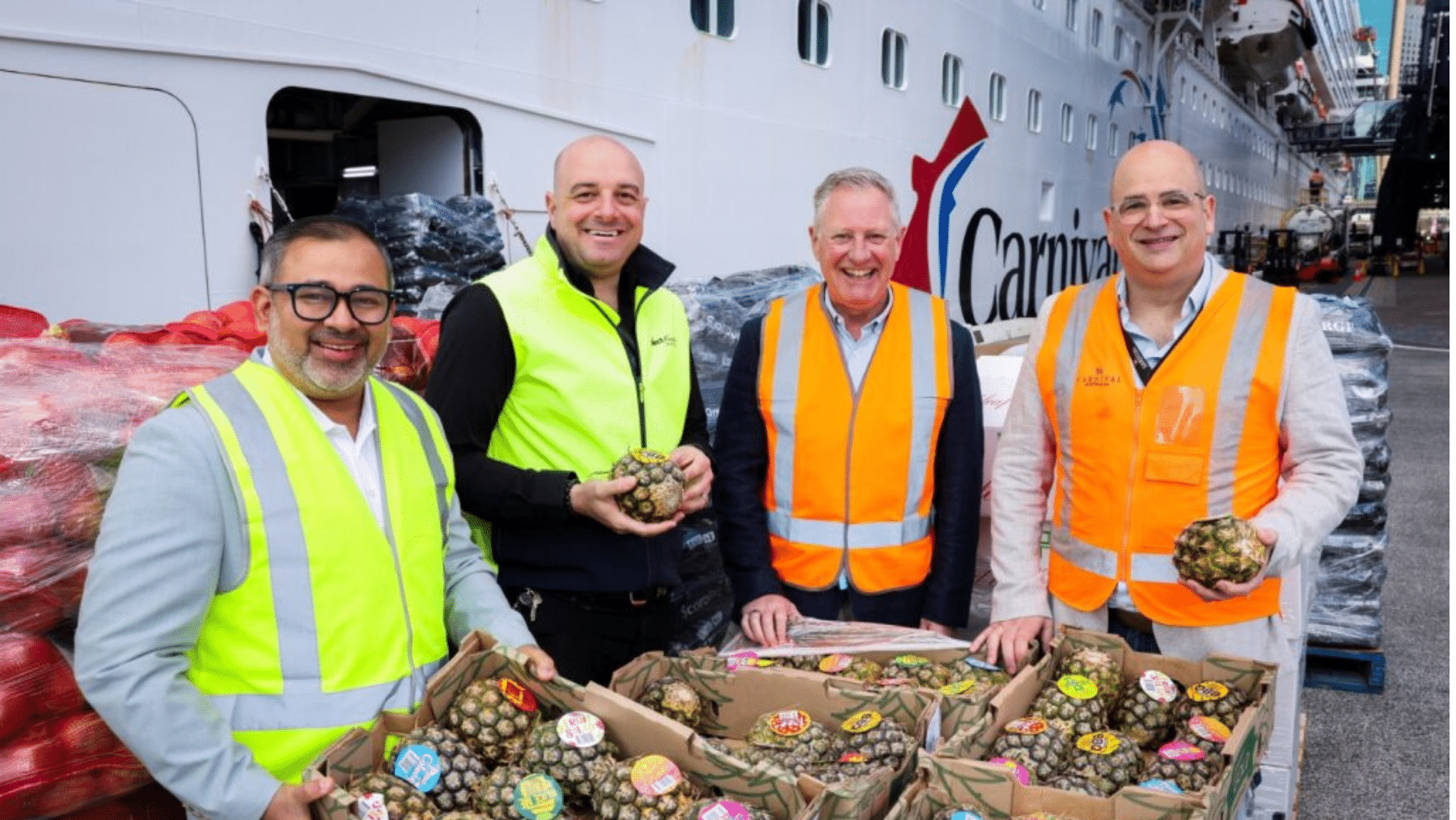
Joel Katz, Cruise Lines International Association Australasia’s MD said: “CLIA and the Australasian cruise industry have consistently warned that regulatory uncertainty and a complex operating environment make Australia uncompetitive among cruise destinations and reduce our ability to attract ships to this region.
“While demand for cruising is at record levels internationally and Australians remain some of the world’s most passionate cruisers, Australia is at risk of losing deployment to other countries that offer a more constructive operating environment.
“CLIA has previously called for a national action plan across Federal, State and Territory governments, to support cruise tourism, improve Australia’s competitiveness, attract more ships, safeguard jobs, and create greater economic opportunities in destinations around the country.”
CEO of the Australian Cruise Association Jill Abel told a similar story to Cruise Weekly: “When compared with competitor regions, there is a growing perception that Australia is rolling out red tape rather than rolling out the red carpet for cruise’s contribution to jobs, regional economies and the visitor sector.”
Cruise Passenger has been calling for a national campaign for eight months. And every time, we call federal tourism minister Don Farell and ask for a statement.
Mostly, we are ignored. Once, when we pointed out the cruise industry’s $7 billion contribution to the federal economy was largely ignored in the government’s 2030 tourism plans, we got a statement saying the cruise industry was terribly important. But no, they would not be doing anything.
These warnings of a downturn are not just abstract ideas, the cruise industry is already losing billions in Australia. In the 2024/25 cruise season, total revenue was $1.11 billion lower than $8.43 billion from the season before, and a similar loss is expected to show at the end of the 2025/26 season.
An approximate estimate based on the amount of ships sailing in Australia would expect that the 2025/26 season brings in about $6.5 billion, leaving the industry 23% shrunk, or even more if accounting for inflation as well.
An analysis of the industry makes it easy to see where these losses come from.
- Since the 2023/24 season, Disney Cruises, Virgin Voyages and Cunard Cruise Line have all stopped sailing in Australia. Royal Caribbean, Princess and Carnival have all decreased their fleet size.
- In the 2023/24 season, Australia had four ships sailing year-round in its waters, following the announcement about Carnival Adventure, now it will have just two.
- In the 2023/24 season, Australia had 18 cruise ships homeported over the summer, for next year’s 2026/27 season it will have just 11. Total capacity amongst homeported ships from 2023/24 to the current season has dropped about 30%.
- From the 2023/24 season to the 2024/25 season, the industry saw a 17% decrease in capacity amongst homeported ships, and the industry’s revenue shrunk $1.11 billion.
So, what comes next?
Cruising is an industry where planning is done years in advance, and regulatory certainty is crucial in order for cruise lines to invest in a region and deploy ships.
If Australia can create a national cruise strategy that can create the certainty that cruise lines need, the industry can recover and grow.
This could look like freezing port fees, decreasing red tape, a longer extensions of the coastal trading act which allows cruise ships to operate here, moving forward on a new Sydney port, creating incentives for ships to visit Australia in the winter and more.
However, achieving these things will take close coordination between the cruise industry and government, and until now, the government hasn’t been holding up its end.
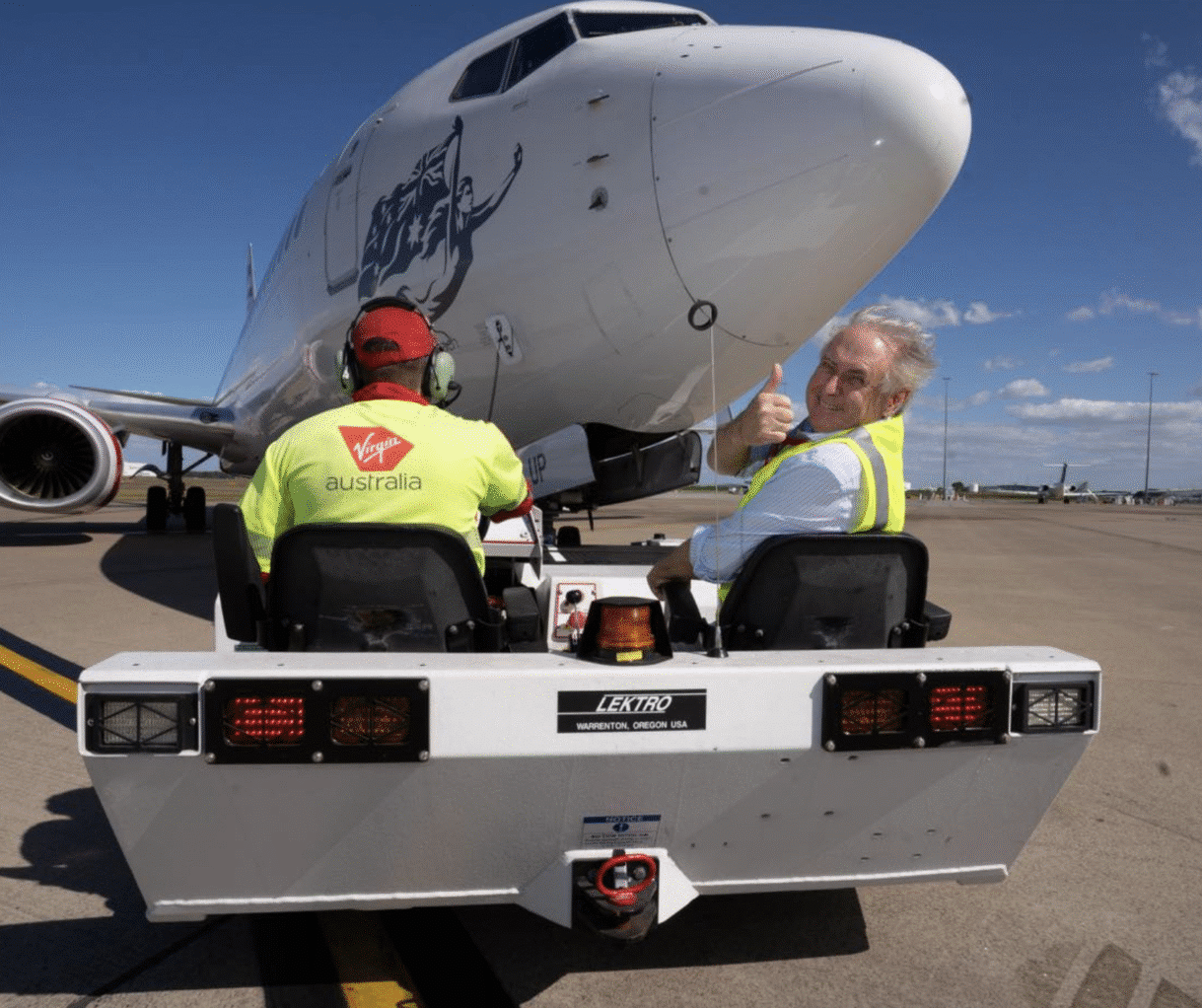
Demand Don Farrell helps
We don’t doubt Tourism Minister Don Farell, who is also Australia’s Trade Minister, is a very busy man. But how long would it take to say he would like to meet the cruise industry, then get one of his senior officials to arrange a coordinated government policy, smoothing the way for a cruise return.
It won’t happen overnight. Cruise deployments are organised years in advance. But we need to start somewhere, and we need to start now.
If you would like to help, send Do Farrell a message saying he should be supporting the cruise industry. And let us know you’ve done it!
His office email address is: [email protected].
Related Posts
-

Is Asia and Japan the solution to Australia’s tumbling cruise capacity? Princess Cruises is already showing the way.
-
Aussie cruise bloggers Rob and Ali have started a petition for Carnival to keep it's themed cruises running in Australia, and it's already run up nearly 500 signatures in two…
-
Carnival Cruise Line is spreading Christmas cheer in Vanuatu by delivering hundreds of gifts for children.
-
Carnival Elation Published by Jane Archer Published on 27 November 2024 AccommodationFoodActivitiesFamilies .entry-header{display:none;} For first time cruisers, choosing your first cruise can make or break whether you love this holiday…