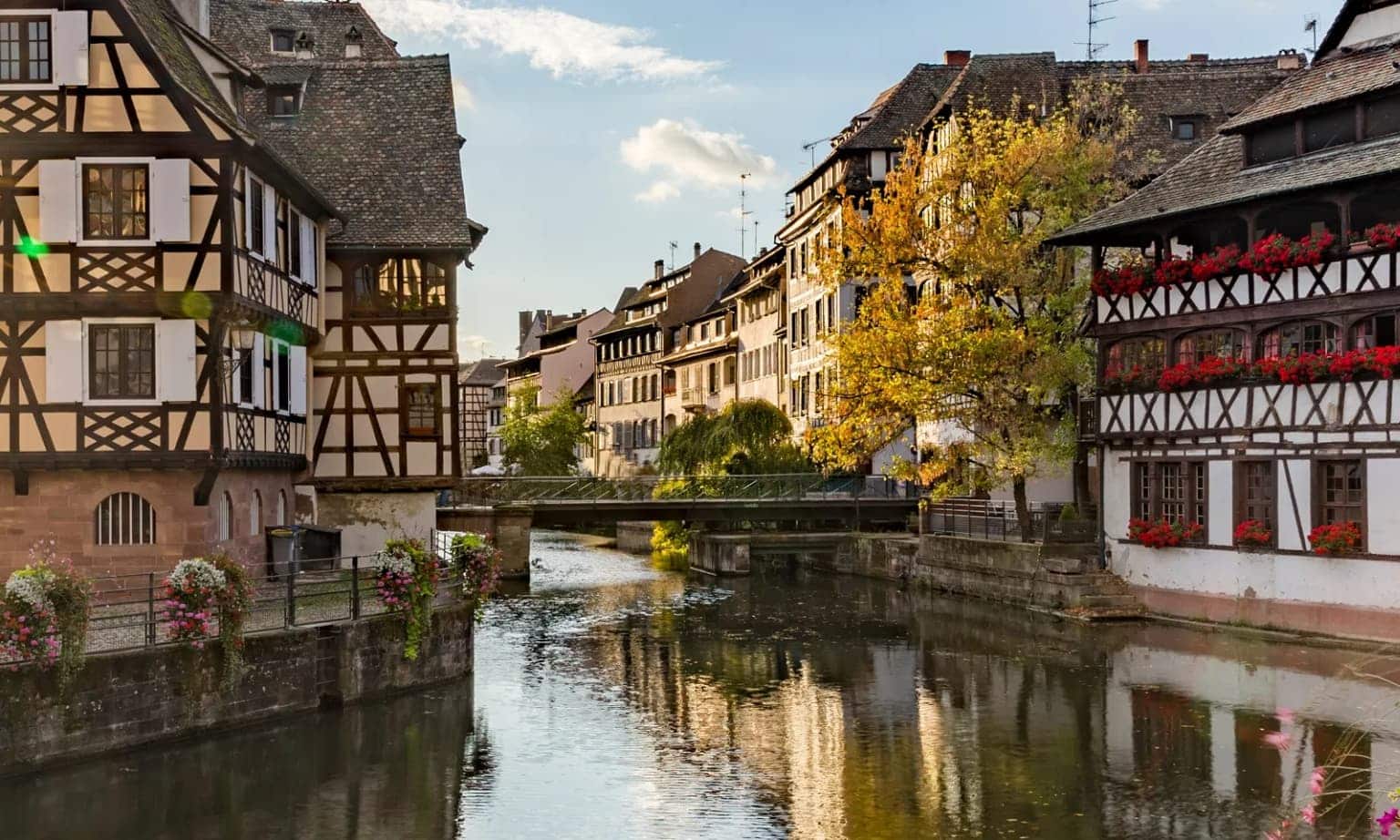
The best experiences in Tahiti
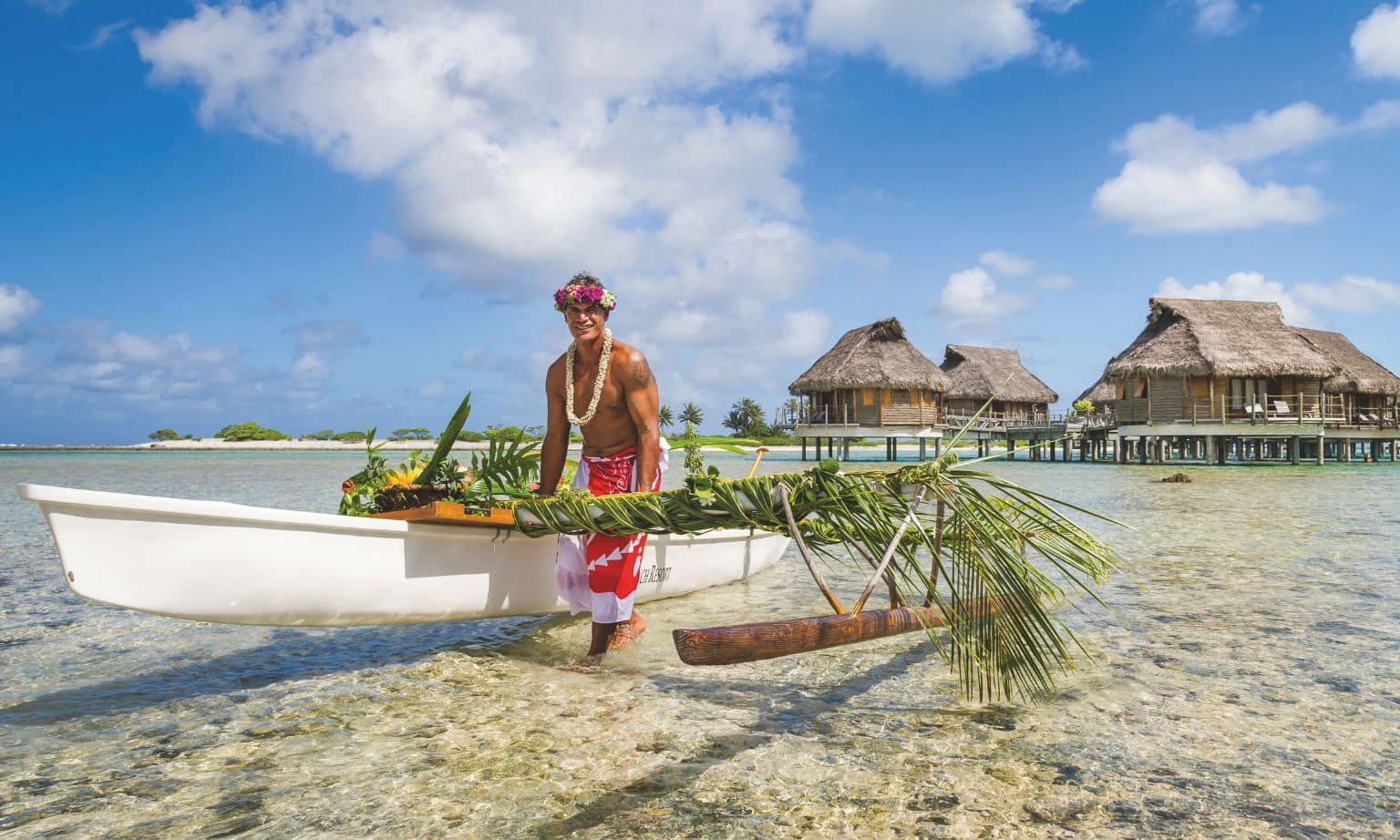
Table of Contents
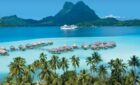
As the lagoon materialises in impossible shades of blue from your plane window, or mountain peaks rise dramatically skyward as your ship glides toward port, you’re likely to wonder why you didn’t come here sooner. And it only gets better from here.
Warm, welcoming people, living Polynesian traditions, world-class surfing, hiking and snorkelling – and a pace so unhurried it feels like the island itself is telling you to slow down.
Tahiti is shaped like a figure-eight, comprising two volcanic masses joined by a narrow isthmus. The larger, Tahiti Nui, holds the capital Papeete and most of the island’s commerce, culture and coastline. The smaller, Tahiti Iti (Little Tahiti), jutting to the southeast, is wilder, quieter and largely undeveloped. A single coastal road, Route 1, rings most of the larger island, making orientation straightforward. The interior is another world entirely: dense rainforest, sheer basalt cliffs and waterfalls that plunge into untouched valleys.
Most visitors arrive at Faa’a International Airport, just west of Papeete, with direct or one-stop connections from Sydney, Melbourne and Brisbane. Cruise ships dock at Papeete’s Motu Uta pier, a short taxi ride or walk from the town centre.
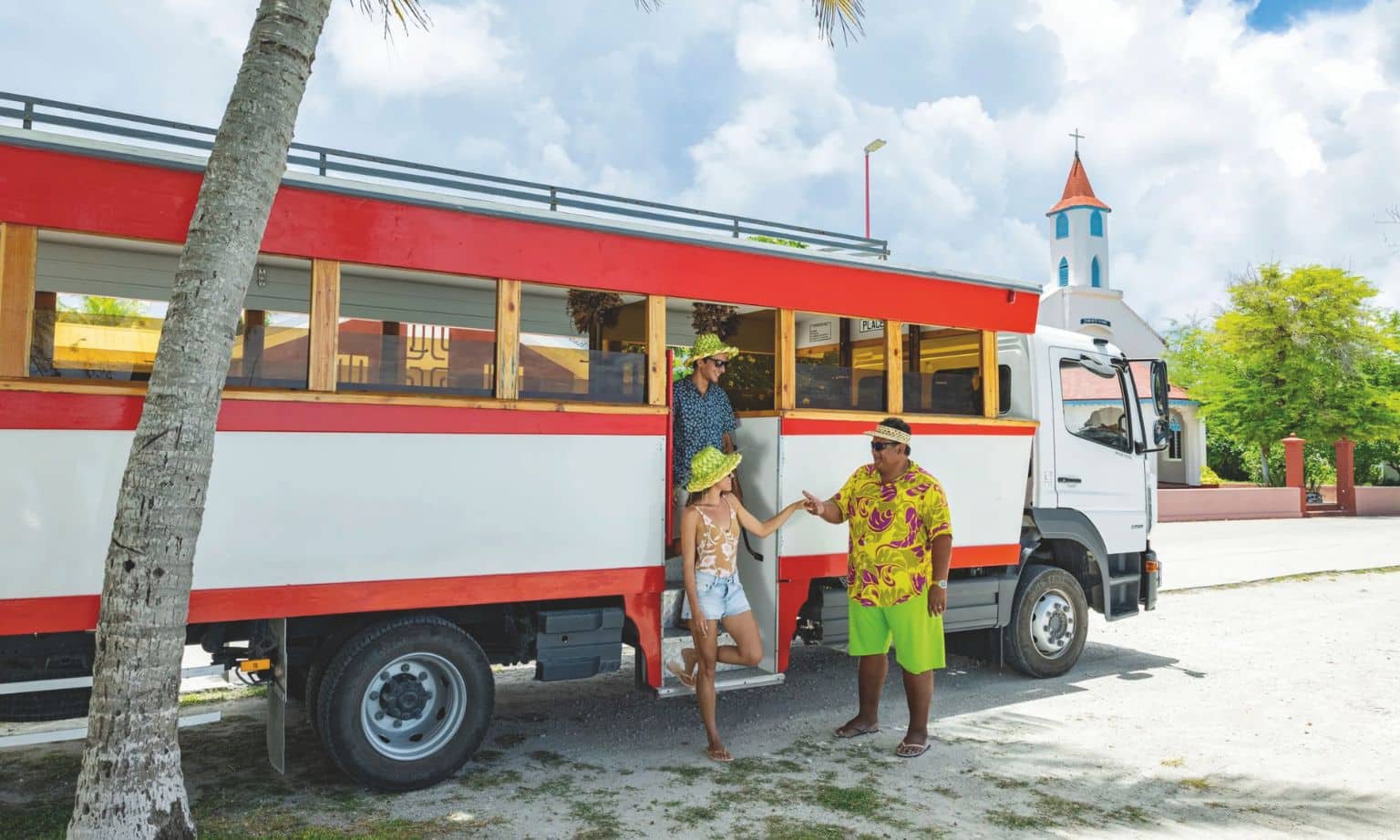
On the ground, Tahiti’s open-sided, colourful buses – Le Truck – run the coastal route cheaply and cheerfully, though schedules can be approximate. Taxis are plentiful but pricey, while rental cars and scooters are well worth considering for a day of independent exploration. Rideshare apps have also arrived, making Papeete easier to navigate. The island’s official language is French, with Tahitian also widely spoken – but English is generally well understood by those working in the tourism industry.
Natural wonders
The lagoon around Tahiti shifts in colour and character depending on where you are on the island. On the west coast, where most resorts are located, the lagoon is turquoise, calm and swimmable, with good opportunities for snorkelling and diving. On the east coast, it narrows and becomes more exposed, with stronger currents and surf breaking over the reef, creating a more rugged coastline.
The standout beaches are Lafayette, which pairs soft black volcanic sand with clear water and wide ocean views, and Vaiava Beach (PK18), a sweep of white sand widely regarded as one of Tahiti’s most beautiful, with calm conditions ideal for paddleboarding, kayaking and leisurely swimming.
For cruise passengers and travellers short on time, several tour operators run half-day lagoon excursions that depart within walking distance of the Papeete cruise terminal.
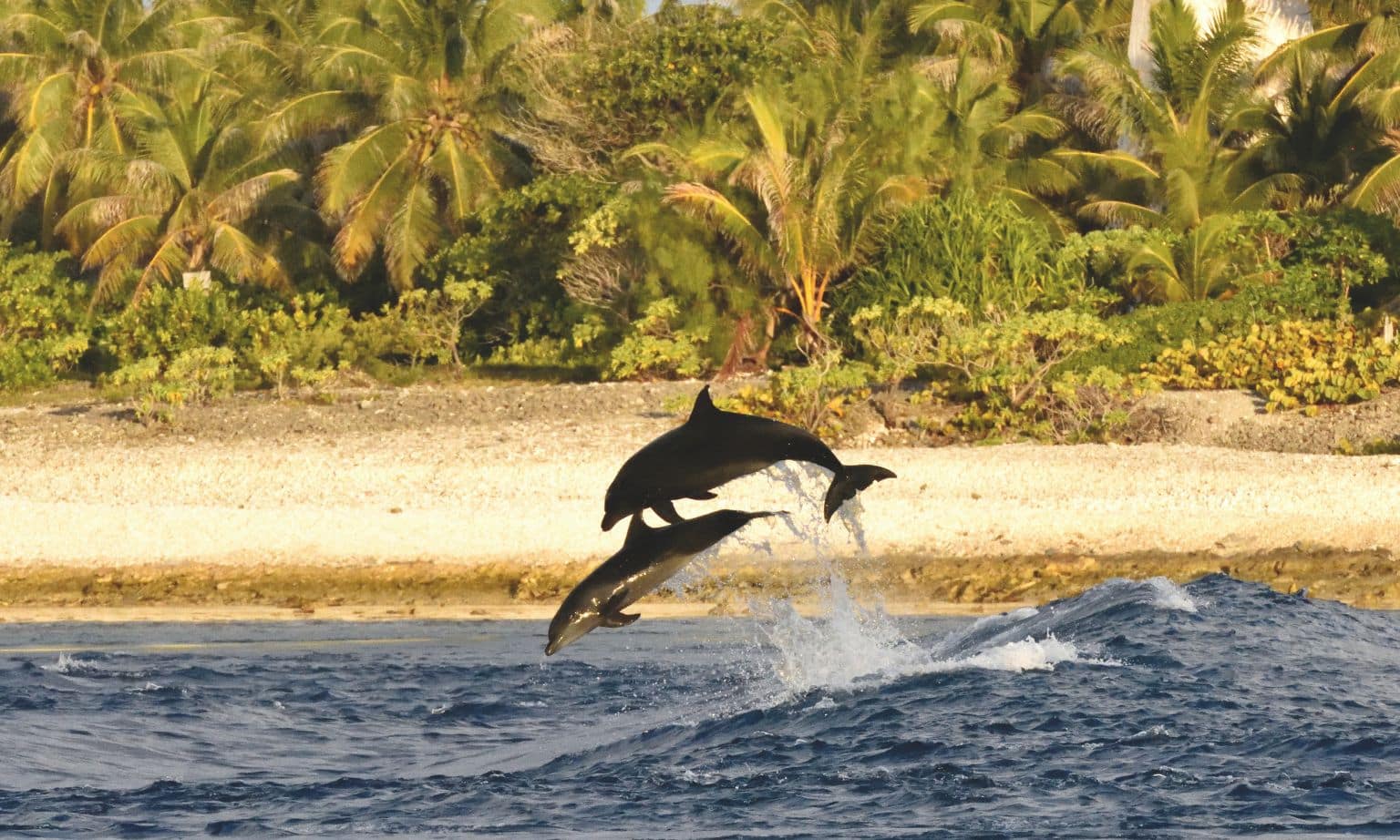
Boat tours typically visit two or three snorkelling sites: coral gardens teeming with tropical fish, submerged wrecks and stops to swim with reef sharks, stingrays and turtles. From August to November, humpback whale sightings along the coast are a real possibility.
Scuba diving is exceptional year-round or, for something a little different, sea scooter tours, where snorkellers glide through the water on handheld propellers, have become a popular option for families and first-timers.
Tahiti isn’t all about the coastline, however. The interior of Tahiti Nui is one of French Polynesia’s great undiscovered experiences. The Fautaua Valley hike leads through dense forest to a waterfall that drops 40 metres into a jungle pool – a local favourite. More dramatic still is the Papenoo Valley, accessible by 4WD day tour. Guides take you to ancient marae (sacred stone temples), across river fords, past volcanic crater lakes and into forest that feels genuinely primeval. You’ll cool off with swims in crystal-clear waterfall pools.
If you’re still feeling energetic, you can hike up to the top of Mount Orehana. At 2225 metres, it’s the highest point in French Polynesia and the views from the top are nothing short of spectacular.
Shopping and eating
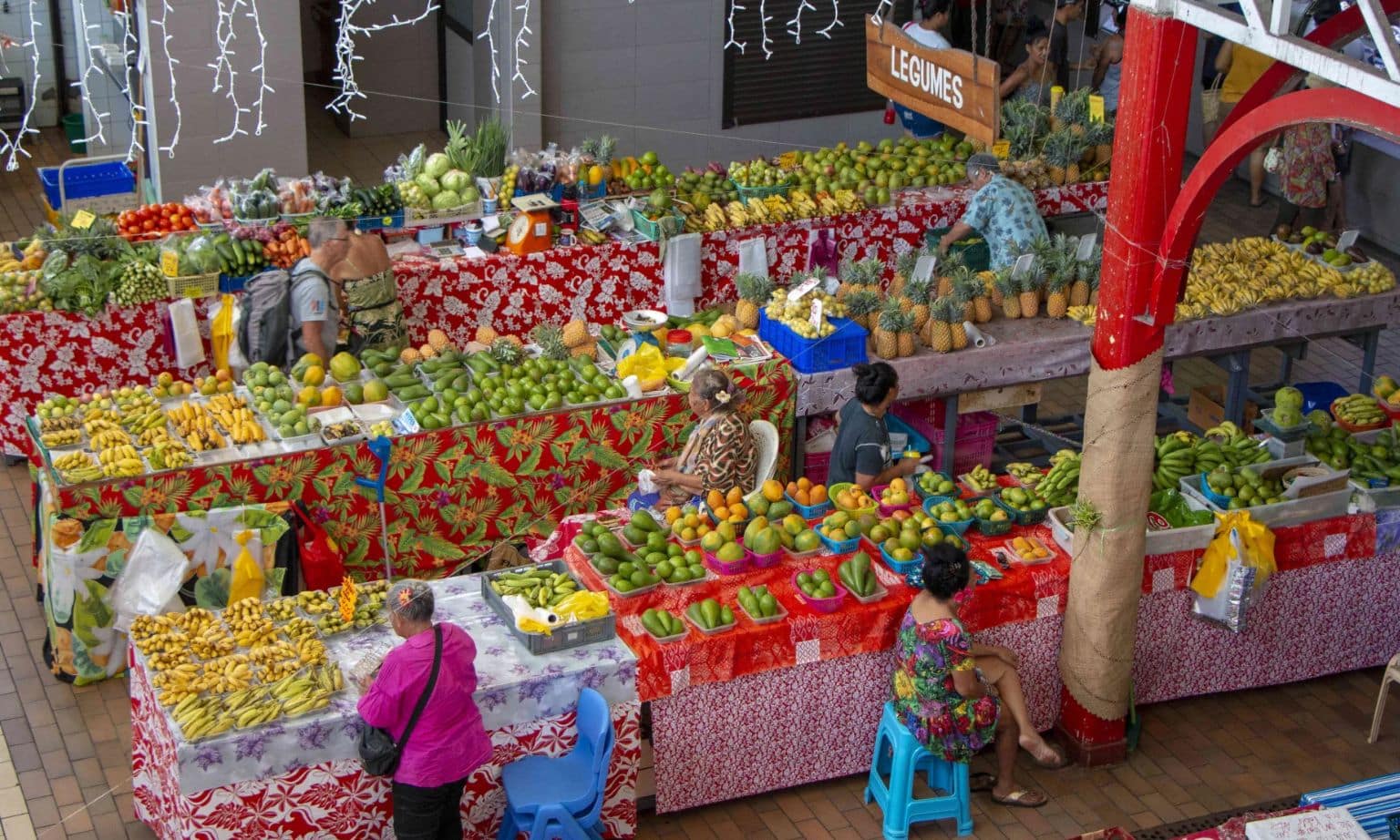
Papeete’s Marché Municipal (the central market) is the cultural and culinary soul of the island. Arrive early – by 5am it’s already humming. Downstairs, you’ll find baskets of vanilla pods, monoi oil, tropical fruit and fresh tuna. Upstairs, expect pareos (sarongs), shell jewellery, woven hats and souvenirs.
For food, the roulottes – food trucks that gather along the Papeete waterfront every evening – are a must. For around $15, you can feast on grilled mahimahi, chow mein, crepes, steak-frites, or the signature Poisson Cru (raw fish marinated in lime and coconut milk). If you’re after sit-down fare, you’re spoilt for choice. Go to L’O à la Bouche for French-style cooking, Meherio Tahitian Bistro on the marina for casual dining with a view, or the delightful Maru Maru for great food and a cosy atmosphere (try the lobster ravioli).
When to go to Tahiti
Tahiti has two seasons. The dry season (May to October) brings cooler temperatures, lower humidity and skies that shift between brilliant blue and cinematic cloud – little wonder it’s peak season. The wet season (November to April) is warm, lush and punctuated by short, intense downpours – but it’s also cheaper, quieter and the waterfalls are spectacular. Average temperatures hover between 24 and 30 degrees year-round, so there’s truly no bad time to visit.
In July, the island is home to the Heiva festival, bringing two weeks of traditional dance competitions, outrigger racing, music, costumes and stone-lifting contests that draw participants from across the Pacific. If your dates align, don’t miss it.

Related Posts
-

Wondering where to stay on your Tahitian island adventure? Here are some of the top picks.
-
Air Tahiti Nui, French Polynesia’s flagship carrier, has committed to full destination immersion from the get-go.
-
Tourism leaders from French Polynesia have unveiled an ambitious new push into the Australian market, built around a simple proposition: Tahiti is no longer just a honeymoon destination for the…
-
Silversea has unveiled highlights of the land offerings available at its Puerto Williams hotel, The Cormorant at 55 South.