
- Barcelona’s local cruise industry is at a critical point, with local politicians looking to increase taxes on cruise passengers.
- But the World Travel and Tourism Council has warned Barcelona of the potential negative outcomes of this tax.
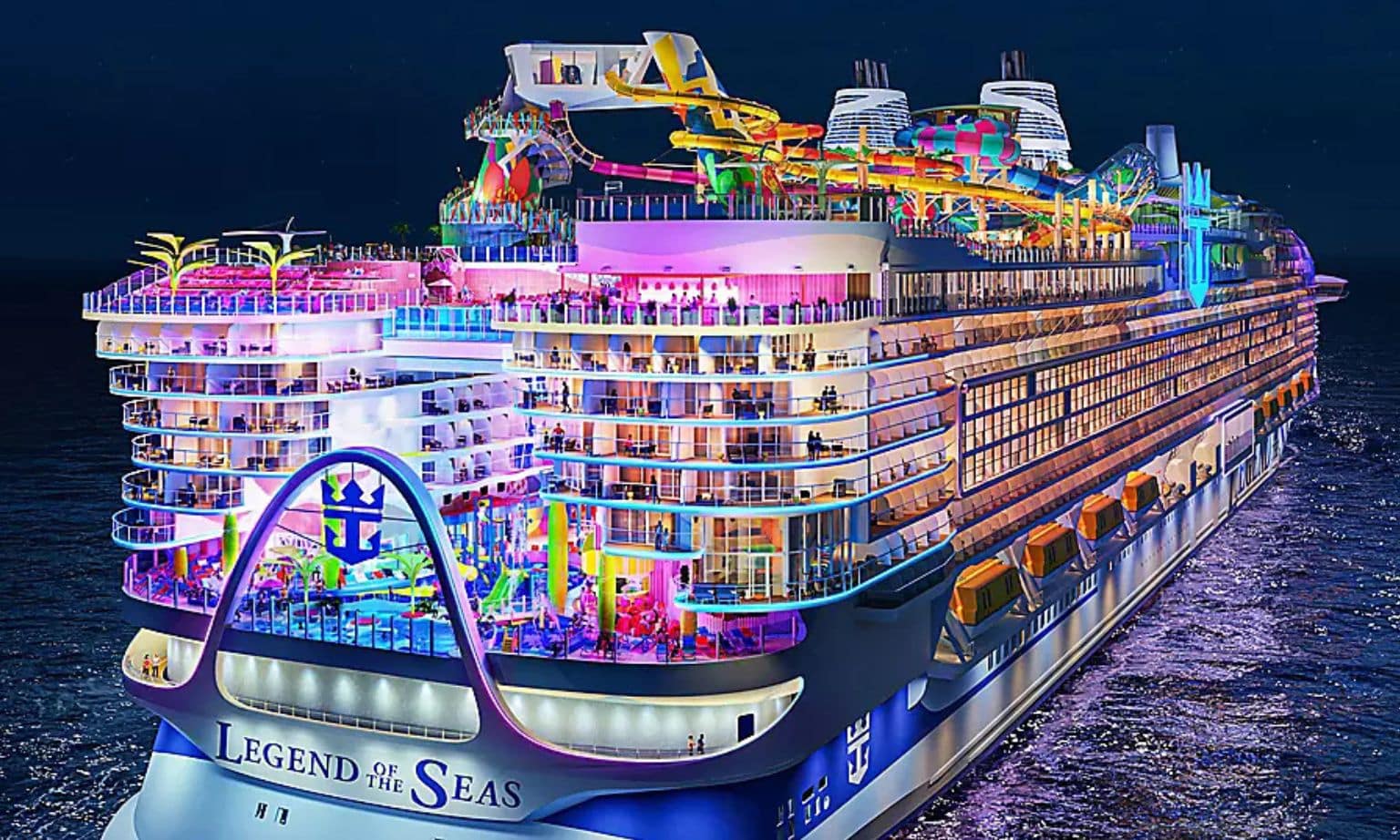
- This critical juncture comes as the massive 9,900 person Legend of the Seas is set for more than 10 stops in Barcelona over the coming months.
The World Travel and Tourism Council has urged politicians in Barcelona to reconsider their proposal to increase taxes on the cruise industry.
The current proposal by the city council is up the cruise passenger tax from €6 (AU$10) to as high €30 (AU$50) per passenger. Over the shorter term, the initial rise would be to €12, (AU$20) per passenger.
This tax would apply to cruises that don’t start or end in Barcelona, but rather visit the city as a port stop.
Gloria Guevara, WTTC President and Chief Executive has warned that this could have a negative economic impact for the city.
“Additional costs to visitors to Barcelona would likely reduce the overall economic contribution generated by the cruise industry as tourists adjust their spending habits ashore.
“This, in turn, would potentially lead to job losses, impacting local employment and job creation within the city’s service sectors.”
Guevara added: “Evidence WTTC has gathered from other destinations shows that sudden tax hikes rarely produce the intended outcomes.”
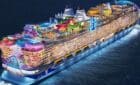
This is all happening as the massive Legend of the Seas gets ready to descend on Barcelona. The gigantic new Royal Caribbean ship is set to debut for the first time this July and has more than 10 port stops scheduled in Barcelona over the coming months.
Legend of the Seas will equal the rest of Royal Caribbean‘s Icon-class ships as the largest ship in the world.
The ship accommodates nearly 8000 passengers at once and will tower over the majority of other ships that call at Barcelona. Including crew members, there can be up to 9900 on the ship at a time.
What is cruise tourism worth to Barcelona?
Barcelona receives about four million cruise passengers a year, but the city as a whole can see a total of 25 to 30 million tourists per year. This has lead to many local protests against over tourism, as the city’s infrastructure and housing struggles to meet the demand of so many visitors.
Cruise activity in Barcelona adds a massive €413.2 million a year to the GDP of Catalonia, but the problem for the cruise industry is that total tourism exceeds €10 billion in total. This means that cruise spending only makes up about four per cent of total tourism GDP.
It’s a problem we’ve been seeing across Europe, where many towns see so much tourism that they don’t mind limiting cruise visitors, as their economy isn’t reliant on it. This is different to somewhere like the Caribbean, where cruise tourism often makes up a large portion of the overall tourism expenditure in the region.
Similar taxes and restrictions are coming into place across other major European hotspots like Santorini, Amsterdam and Venice. Cruise definitely has a future in Europe, but it doesn’t appear to be one of unlimited growth and inventory like we’re seeing in the Caribbean and other areas of the USA like Alaska and the Californian coast.
The cruise industry will either need to pivot to different European itineraries, move their ships around, or convince European cities of the value that they bring.

Related Posts
-

The Mayor of Nice has made an extremely public and extremely defiant move, taking a camera crew with him to personally confront staff members of Voyager of the Seas.
-
Royal Caribbean has cut steel on its latest ship, the fifth ship from its Icon class.
-
The Hawaiian Department of Transportation will significantly cut cruise visits to the islands of Hawaii, as part of a larger effort to reduce carbon emissions.
-
While most cruise lines have already announced their 2027/28 sailings for Australia, as is the case every year, Royal Caribbean is keeping us waiting a little bit longer.