


Cruise Passenger readers always have plenty to say about what’s going on in Australian cruise, and in the broader cruise community. In Your Say, Cruise Passenger looks at the issues our readers are writing to us about on our blogs, posts and newsletters.
Last week Cruise Passenger shared the story of Laura and her family. They spent $13,000 and flew to Sydney for a cruise to the South Pacific, to be told the day before that the South Pacific was cancelled would now be going to Queensland instead.
To their surprise, they were offered future cruise credits or to sail with some onboard credit, but they weren’t offered a refund. The family, who were travelling in a party of eight, decided they no longer wanted to take the cruise and pushed Carnival for a refund.
At this point, they are yet to get their money back and have launched a case with the Victorian Civil and Administrative Tribunal.
As you might imagine, Cruise Passenger readers had plenty to say on the matter, with the story receiving hundreds of comments online as cruisers rushed to give their opinions.
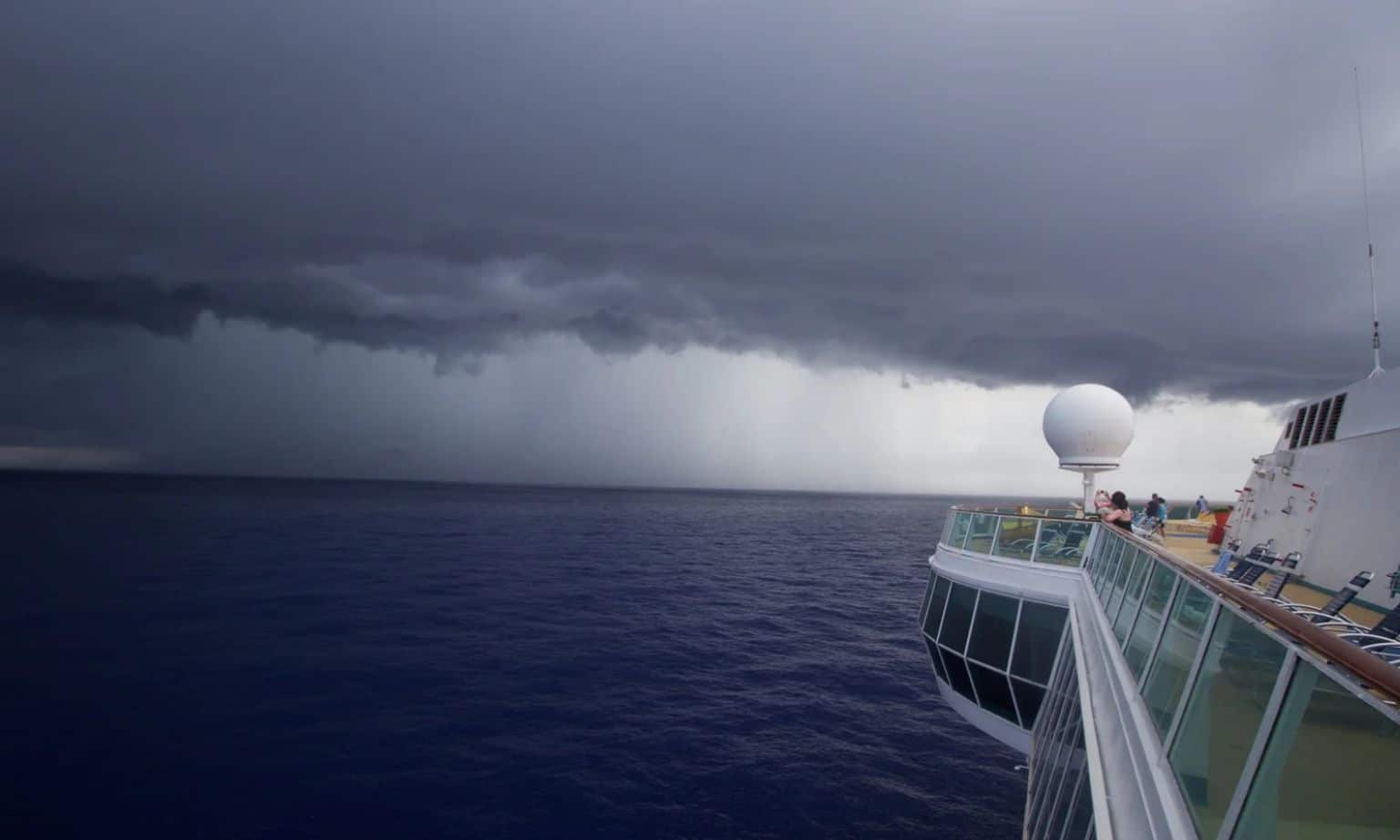
There were those who pointed out that cruise lines reserve the right to make itinerary changes in their terms and conditions, something that was addressed by a specialist cruise lawyer in the story. Others made the argument of, ‘Did you want to sail into a storm?’.
However, there were also many siding with Laura and saying she deserved her money back – especially those who reported having similar experiences.
The central question in this case is: when is the cruise that is sailing no longer the cruise that you booked, and when this happens, should you get your money back?
Is it the cruise or the destination you bought?
The key point of Laura’s cruise was that it wasn’t just a missed port or itinerary tweak, the cruise literally took place in a different country from what she was expecting. As consumer advocate Adam Glezer said, most would agree this constitutes a major change to the holiday you booked.
“This is a major change — full stop. If a trip like this isn’t refundable, how can any Australian book a holiday with confidence? Right now, they simply can’t.”
The argument is not that the cruise lines should try and sail into a storm, but rather than in these incidents, refunds should be an option. Cruise lines could still offer incentives for future cruise credits or onboard credit in the new destination, but people who no longer wish to visit a different destination should have the option to cancel.
The argument is not about whether Carnival can control the weather or should sail into a storm – but simply about whether a cruise is receiving the service/product that they paid for.
As cruiser Marie Masland phrased it: “So the original cruise was cancelled in a way and replaced by a different cruise. If the original cruise was cancelled aren’t you entitled to a refund?”
David Thompson added: “It’s simple. The cruise line could not provide the service advertised so therefore a full refund (not a cruise credit)is in order.To miss a port is just a variation to miss the whole cruise then that’s a refund. The ACCC needs to act.”
Lynne Meads said: “We cruise for the destinations, but in saying that we are aware that they can change. However, a whole destination change from the Pacific to Queensland would seriously annoy me.”
Another cruiser Sue Moxon claimed she received a refund in a similar situation.
“Four of us were booked on a cruise to PNG , the cruise was completely changed to the South Pacific, and not because of the weather. We had all been to the South Pacific several times before and didn’t want to go again. We had to jump up and down loudly for Carnival to give us a refund. They eventually did. Consumer law overrides Contractual law. The destination does matter.”
Jilly Dal wrote: “At least if you get a cruise around the Mediterranean you are getting the Mediterranean. I would be furious if I paid for the barrier reef and got Sydney.”
“The destination doesn’t matter, you are paying for the ship and destinations are a bonus.”
Many cruisers feel that when they pay for their holiday, they’re paying for the ship and everything that you can find onboard, and are aware that destinations can be changed or cancelled, generally due to weather.
This is an argument to be made for this. If on a seven-day cruise, two ports are cancelled, given that cruise ships generally spend about nine hours in port, this only comes out to 18 hours of a 168 hour holiday. It is undeniable that on a cruise holiday, you will spend the vast majority of your time on the ship, and that will make up the core of your holiday.
However, people do still book for specific destinations, that may have shore excursions they want to do, cultures they want to experience, attractions they want to see or whatever else.
If you were to accept that destinations aren’t a key part of cruising, it would mean that people who want to book for a specific destination should instead book a different kind of holiday, and some cruisers feel this is the case.
Pam Hilton wrote: “You’re booking and paying for accommodations on the ship, food, beverages and entertainment. The itinerary is never guaranteed.
“Itineraries change or are modified all the time. When you book directly, you are responsible for doing the research and knowing all the ins, outs and fine print.
“I have taken many cruises with missed ports and changed itineraries either pre-cruise or after sailing. Disappointed? Sure.
“I’d never book a cruise just to go to a specific port or ports. If they were that important, I’d book a land vacation.”
Other cruisers report having their itineraries changed but just ‘getting on with it’ and enjoying the holiday anyway.
Kylie Marshall said: “We went on a seven-day cruise to the South Pacific that never happened due to a cyclone, didn’t actually go anywhere just sailed around the ocean for 7 days, it didn’t really matter we were still on holidays, & enjoyed ourselves, couldn’t complain we were given $200 OBC per cabin & 50% off FCC so we rebooked.”
Sean Steele said: “She should have taken the future cruise credit. Itinerary changes are one of the downsides to cruising. But they happen and you just have to deal with it.”
The debate – are new laws needed?
The great confusion that these situations bring is because there’s no codified consumer laws that adjudicate these situations.
Adam Glezer said: “There are clear gaps in the law that need to be fixed. It’s not good enough to leave things open to interpretation — the law needs to spell out exactly when a customer is entitled to a refund. No grey areas, no loopholes.”
This is the argument that it’s time for lawmakers to step in and determine what constitutes a change to a holiday so major that refunds should be offered. For example it could be if a cruise is no longer able to be offered in the same country it was advertised to sail to.
However, this of course brings complications. For example, sometimes weather events are last minute and cruise lines don’t know ports won’t be able to be visited until a ship is already sailing. Perhaps these incidents could be fixed by prescribing a set amount of compensation per cruise port, such as 5% of the fare.
While these laws could upset cruise lines, they could ensure that Australians have more security in booking their holidays.
The counterargument is that cruising is already extremely popular in Australia and the vast majority of Australians seem okay with accepting itinerary changes and the nature of cruise travel being weather dependent.
It’s possible that if cruise lines were hit with regulations that were too harsh, they would sour even more on sailing in Australia, and Australia’s cruise woes would get even worse.
A middle-ground solution could lie in laws that protect the extreme cases such as Laura’s, making refunds possible for cruises that have 100% differed from what was originally offered, without punishing cruise lines for small itinerary shifts due to weather or other extenuating circumstances.
Please keep those comments coming!
WE VALUE YOUR COMMENTS AND ENJOY READING WHAT YOU HAVE TO SAY ABOUT OUR STORIES. PLEASE KEEP THOSE COMMENTS COMING ON THE STORIES – AND WE’LL PICK OUT THE BEST EACH WEEK FOR THIS NEW COLUMN

Related Posts
-

There are three types of solo travellers: singles who want to mingle, introverts who prefer to keep to themselves, and those who are a bit of both.
-
Awaken your inner explorer with this one-of-a-kind journey across Japan, Alaska and Mexico.
-
Several cruise lines are investing heavily in refurbishing older vessels in their fleet to attract cruisers to try new offerings on familiar favourites.
-
While the crew can only do so much, we've heard reports of poor hygiene practices by other passengers.