

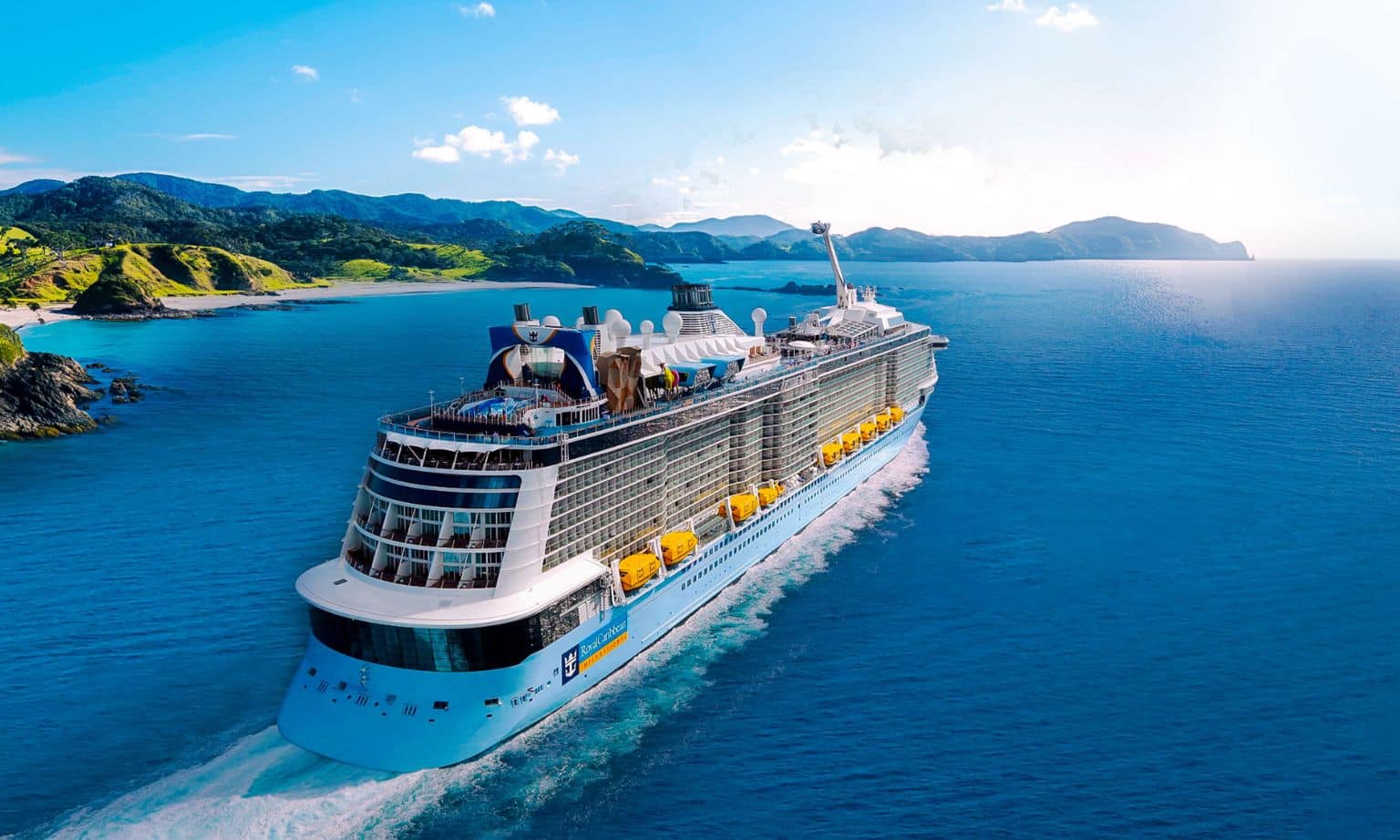
- “Cruises to nowhere” that don’t visit any ports are increasing in popularity.
- The increased frequency of these cruises means less cruise ships visit Aussie ports.
- Where do you stand: relaxing days at sea or visits to Aussie ports?
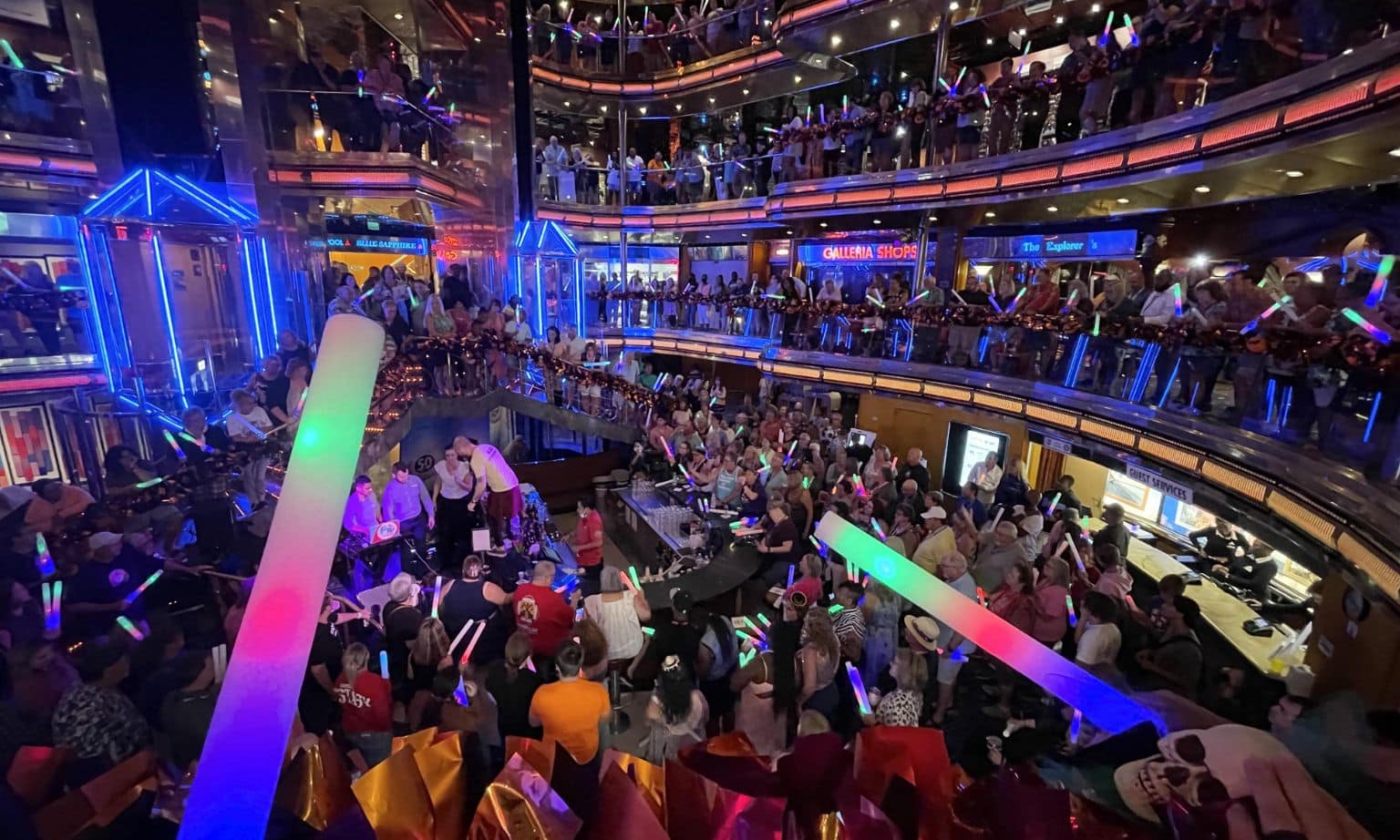
Australian cruising is seeing a dramatic rise in the popularity of “cruises to nowhere”. These are short cruises that don’t visit any ports, and often offer more of a party atmosphere when compared to other cruises. Carnival Cruises and Royal Caribbean especially are known to run a lot of cruises like these.
While cruises to nowhere have had the effect of attracting a new demographic and lowering the age of the average passenger, there is another side that is not such good news for the towns trying to attract the cruise dollar: they reduce the average cruise duration and amount of port visits.
This reduces the economic benefit to Aussie coastal towns both in terms of the spend at ports and jobs.
For example, despite having more cruise passengers than ever, Australia actually saw a 2.7 per cent decrease in total passenger visit days.
Driven by demand
Cruise lines are commercial operations, and cruises to nowhere are a global phenomena. Royal Caribbean’s cruises aboard Icon of the Seas to private islands have been enormously popular, opening up the “weekend cruise” market.
Ports such as Sydney and Brisbane get significant value from turnaround calls, when guest spend materially higher amounts on shore than during transit visits. The cruises also help the extended Australian supply chain that supports these vessels and delivers direct economic activity and jobs.
Industry insiders point out that without a mix of itineraries, the commercial viability of the sector becomes more challenging.
Cruise Passenger readers are also big fans. Comments on our story reflect this.
Nick Aisbitt says: “If the ports are more welcoming and affordable the ships will visit. Tourism is a market not a right, just as cities can decide.” Mike Fitzgerald adds: “Many have used the 2-4 days to nowhere cruises to get their taste for future cruising. Def has its place in the calendar.
Jane Lee says: “The short cruises to ‘nowhere’ are used to fill the gaps in the cruise ship calendar – help to balance up as they juggle the algorithm of number of nights, cruise locations and actual port stops. People can either choose to book them, or not. Some like them, others don’t.”
Lee is right. The itineraries add to the richness of our cruise season.
If we look at the cruises locked in for 2027, by analysing Carnival, Royal Caribbean and Princess’s itineraries, we can see just how many Aussies are set to take a cruise to nowhere next year.
Carnival Adventure will sail 10, Carnival Encounter 15, Carnival Splendor 12 and Carnival Luminosa five, with a total of 42 cruises to nowhere coming from Carnival. Then Voyager of the Seas will sail six, Quantum of the Seas will sail three and Anthem of the Seas will sail seven, adding another 16 from Royal Caribbean.
Then Grand Princess will add another three, and Sapphire Princess another two.
In total, this makes for 63 cruises to nowhere, which based on the ship’s capacities, will account for around 210,840 passengers through 2027.
This means that about one in every seven people taking a cruise out of Australia will only see the ports of embarkation or disembarkation.
The effect of these cruises to nowhere, and cruise itineraries becoming shorter in general, can go some way to explaining where some of Australia’s $1 billion in cruise expenditure losses is disappearing to.
Cruise Lines International Association Australasia says the average passenger spend in a domestic transit port is $195. Therefore, if we imagine all 210,000 of these passengers were to visit at least one port on their cruise, such as Eden, Newcastle, Hobart, Airlie Beach or wherever else, these visitors would spend up to $39,000,000 in coastal Aussie towns.
So, what can be done?
- Ports can certainly work harder to attract passenger demand. The success of welcoming ports like Eden, which has increased visitation to 50,000 and invests in a welcoming infrastructure, shows this.
- CLIA has been pressing for a national policy on welcoming the cruise industry. The federal government could provide more incentives for visiting Aussie ports, such as discounted port fees or taxes in Sydney, Melbourne and Brisbane for cruises that visit Australian ports. So far, they have failed to address requests or talks.
- No-one is suggesting short cruises are a bad thing. As our readers point out, they are often the first experience new guests get of what cruising is all about.
- But variety is what Australia’s mature cruise community is crying out for. And short cruises that include a port visit could help everyone.

Related Posts
-

Aussie cruise bloggers Rob and Ali have started a petition for Carnival to keep it's themed cruises running in Australia, and it's already run up nearly 500 signatures in two…
-
Now it’s in its third life as a Carnival ship, it will continue serving up family-oriented vacations, sailing year-round of Sydney.
-
Carnival’s latest announcement of USA itineraries might not be of much interest to Aussie’s at first glance, but with a closer read, they reveal a few interesting points about Carnival’s…
-
Carnival Cruises has opened it's previously exclusive SEA (sailings exclusively for adults) to the public.





Australian taxpayers spending to subsidise foreign cruise line profits is still Australia losing.