Tips to Avoid Norovirus on a Cruise Ship

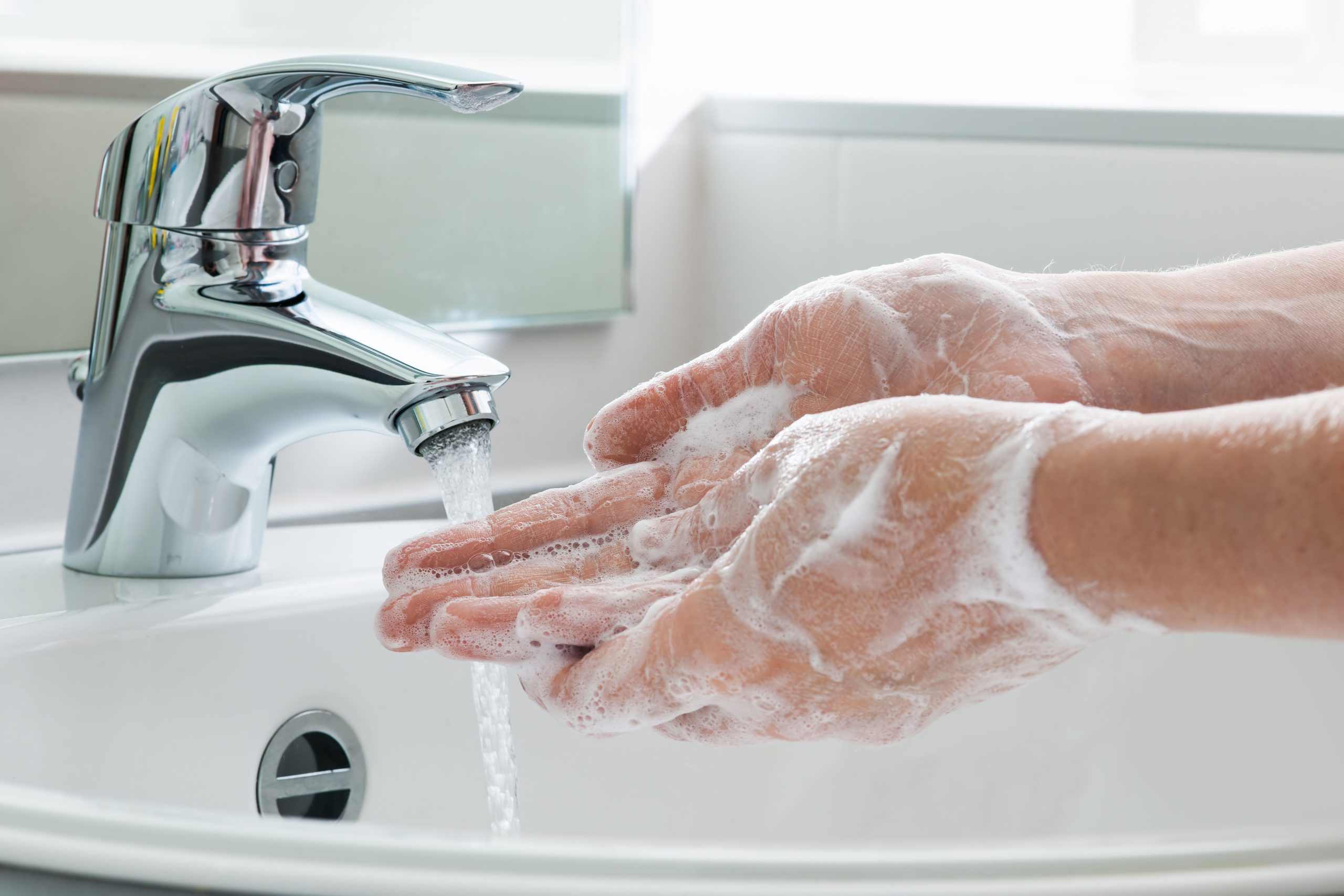
Table of Contents
For first time cruisers, choosing your first cruise can make or break whether you love this holiday style. If you dNorovirus is a common disease, there are an estimated 1.8 million cases per year in Australia. It’s not something to fear or that should stop you from jumping on a cruise ship.
It is commonly spread in places such as residential care facilities, hospitals, schools, child care centres, shopping centres, sporting venues and more.
Below is all you need to know about the virus if it strikes while you’re on a cruise ship or anywhere else.
What is norovirus?
Norovirus can come under many names, while more technically it refers to a group of related viruses that can cause intestinal infection, you’ll often hear it synonymously with a stomach bug, food poisoning, gastro, and other similar terms.
The spread of the virus generally happens through contamination of food or beverages, direct skin contact with an infected person, contact with a surface that has lingered contamination, and aerosol spread through virus particles.
Brian Labus, an assistant professor in the Department of Epidemiology and Biostatistics at the UNLV School of Public Health, explains how the disease spreads on Health.com.
“You have to swallow the virus to get sick.
“That can be through consuming contaminated food or touching a contaminated surface and then touching your mouth or not washing your hands before you eat.”
Symptoms are generally nausea, vomiting, stomach cramps, diarrhea, headaches, and sometimes light fever and chills. The disease rarely escalates but gives an increased risk of dehydration, so it’s important to try and maintain intake of fluids and electrolytes.
To formally diagnose norovirus, a stool sample and laboratory test are needed, but generally is just diagnosed through assessment of symptoms, and further testing is not required.
Are cruise ships of a particular risk?
Dr. Sarah E. Hochman, a hospital epidemiologist and the section chief of infectious diseases at NYU Langone Health’s Tisch Hospital told USA Today that cruise ships aren’t necessarily risker than other similar environments, it’s more so that congregated and enclosed environments will always carry more risk for spread of disease.
“There’s not something special or unique about cruise ships.
“It’s really any type of congregate setting, but it’s also happening out in the community on a much smaller scale among households and household contacts. It just doesn’t come to the attention of public health as much as it does for larger congregate settings.”
It’s common to hear about outbreaks on ships, but while it’s important to maintain hygiene, outbreaks are relatively uncommon when compared to the amount of ships sailing every day around the world.
How to avoid getting Norovirus on your cruise?
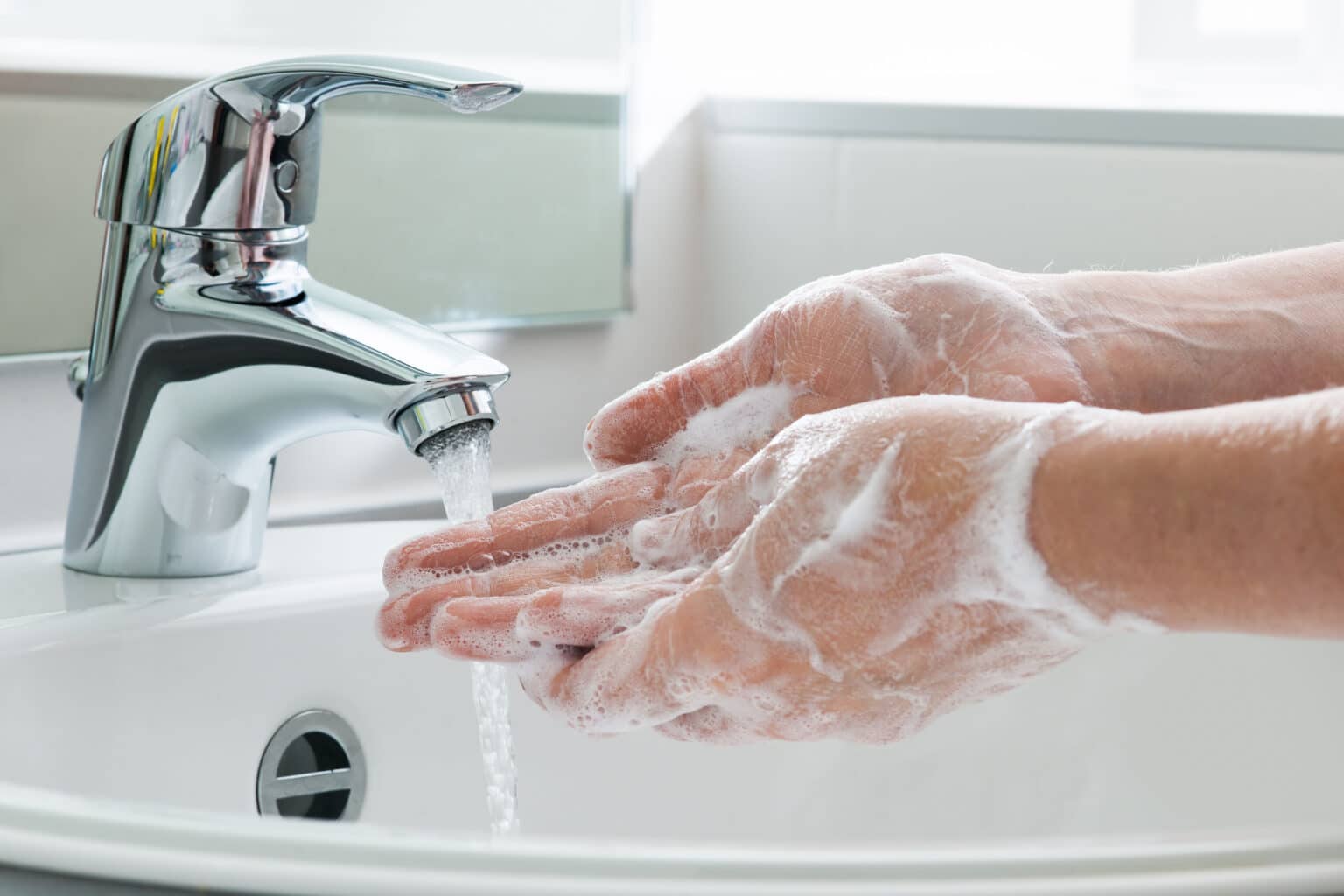
- Regularly wash your hands with soap and water for at least twenty seconds. If you have been in contact with a contaminated surface this will prevent you from spreading the disease to yourself and others. Hand sanitizers are actually not as effective as handwashing in the prevention of the virus, so make sure to use soap and water, not just antibacterial sanitizer.
- It’s best to encourage all members of your travel party to maintain this practice as well, if a member of your travel party contracts the virus it’s much more likely to spread.
- To an extent, how strict you want to be on yourself will come down to you. If you avoid crowds or activities that involve physical closeness with others and eating from the buffet, obviously you’ll have less of a chance of contracting the virus. However, these are part of the fun of a cruise. Realistically, the risk is generally low and being strict in your personal hygiene is the best way to reduce your own risk, without affecting the enjoyment of your cruise.
You’ve got norovirus – what now?
- If you are able to keep water down – drink it. Just small and occasional sips will go towards maintaining your hydration. Drinking electrolyte-based drinks will also help replenish what you’ve lost due to the virus. Opt for a drink designed for dehydration, rather than sugary sports drinks like Gatorade, but if that’s all you have it will still be beneficial.
- Make sure you do your bit to prevent the spread of the virus. Try to avoid going out into public spaces and touching any of the ship’s food if you suspect you may have Norovirus. Furthermore, disinfect spaces you think you may have touched such as bathrooms or banisters near your room. You should also contact staff on the ship, so they can both assist you and help disinfect areas you’ve touched to prevent the spread. Contagion can sometimes even last as long as two weeks afterward, so make sure you maintain your personal hygiene afterward.
- Sometimes it’s not the best idea to eat a huge greasy meal as soon as you start feeling better. It might be best to start with small, bland, and easy-to-digest foods such as plain crackers or bread, toast, bananas, plain rice, plain chicken, or other similar foods. It can also be a good tip to avoid dairy for a couple of days, particularly if you’re already sensitive to it. Sugary and caffeinated drinks can also worsen symptoms, so it’s best to stick to electrolytes and water until you’re feeling better.
- Medical advice isn’t required and the virus will pass in one to three days, but if symptoms escalate, such as severe dehydration or high fever, contact a doctor. The official advice from Health Direct for when to see a doctor is if you have diarrhea that lasts more than two days, dehydration, a fever, severe pain in the abdomen or rectum or diarrhea that is bloody or black. It should be noted that some anti-gastro medications such as pepto bismol will turn your stool black, on its own, but this isn’t cause for concern.
- There are over-the-counter medications to prevent diarrhea and reduce nausea, but you should contact a healthcare professional before taking these.

Related Posts
-

Check out our YouTube special: Readers' Choice Awards https://www.youtube.com/watch?v=1Fy8PODdT9Y Our 2024 Readers' Choice TV show is full of surprises We've taken to the high seas this year to present our…
-
The USA has been seeing an uptick in outbreaks of norovirus onboard cruise ships, and it appears that a new strain of the virus could be to blame.
-
While Norovirus issues have well reported across the cruise industry in the USA, it appears that they’ve been sneaking under the radar in Australia.
-
It’s a show stopper. Royal Caribbean's Icon of the Seas - the biggest cruise ship ever to set sail with 7600 passengers - has been named in the World's Greatest Places of 2024 according…