- Ingenious planning, earlier excursions and smarter ships are helping keep holidays on course despite Europe’s weather extremes.
- Lines have posted reports on how they are circumventing river levels on the Danube and a few others.
- The good news is weather reports say things are now easing, and things should be back to normal soon.
Rain is forecast across parts of Central Europe over the coming week, and that’s good news. It brings expectation that river levels will begin rising again after one of the driest starts to July in recent memory.
It should ease pressure on Europe’s busiest waterways and provide welcome relief for cruise operators and travellers alike.
Water levels on sections of the Danube, Rhine and Main rivers have fallen after weeks of extreme heat and little rainfall, forcing a handful of itinerary changes and some cruise cancellations. Images of stranded river ships and headlines about disrupted sailings have understandably raised concerns among travellers planning a European river cruise.
But the river cruise industry has become remarkably adept at managing exactly these conditions. Earlier shore excursions to beat the heat, flexible itineraries, modern shallow-draft ships and sophisticated logistics mean that, for the overwhelming majority of passengers, holidays continue with surprisingly little disruption.
In many ways, this summer is proving just how resilient Europe’s river cruise industry has become.
A very different industry than a decade ago
There was a time when exceptionally low river levels could spell disaster for a European river cruise. Passengers might suddenly find their holiday cancelled or spend days travelling by coach to reconnect with their ship.
Today, the industry’s response is almost unrecognisable.
Following a series of low-water summers over the past decade, Europe’s leading river cruise companies have invested heavily in vessels with shallower drafts, sophisticated contingency planning, flexible itineraries and extensive operational support across the continent.
While headlines naturally focus on the handful of affected cruises, the vast majority of Europe’s river sailings continue to operate successfully. For travellers, that is perhaps the biggest story of all.
The Danube remains a focus – others are normal
The current disruption is largely confined to sections of the Danube in Hungary and neighbouring countries, where water levels have dropped to within centimetres of historic lows. The Rhine and the Main River have also experienced navigation challenges in some sections, although conditions vary considerably from one stretch of river to another and can change quickly after rainfall.
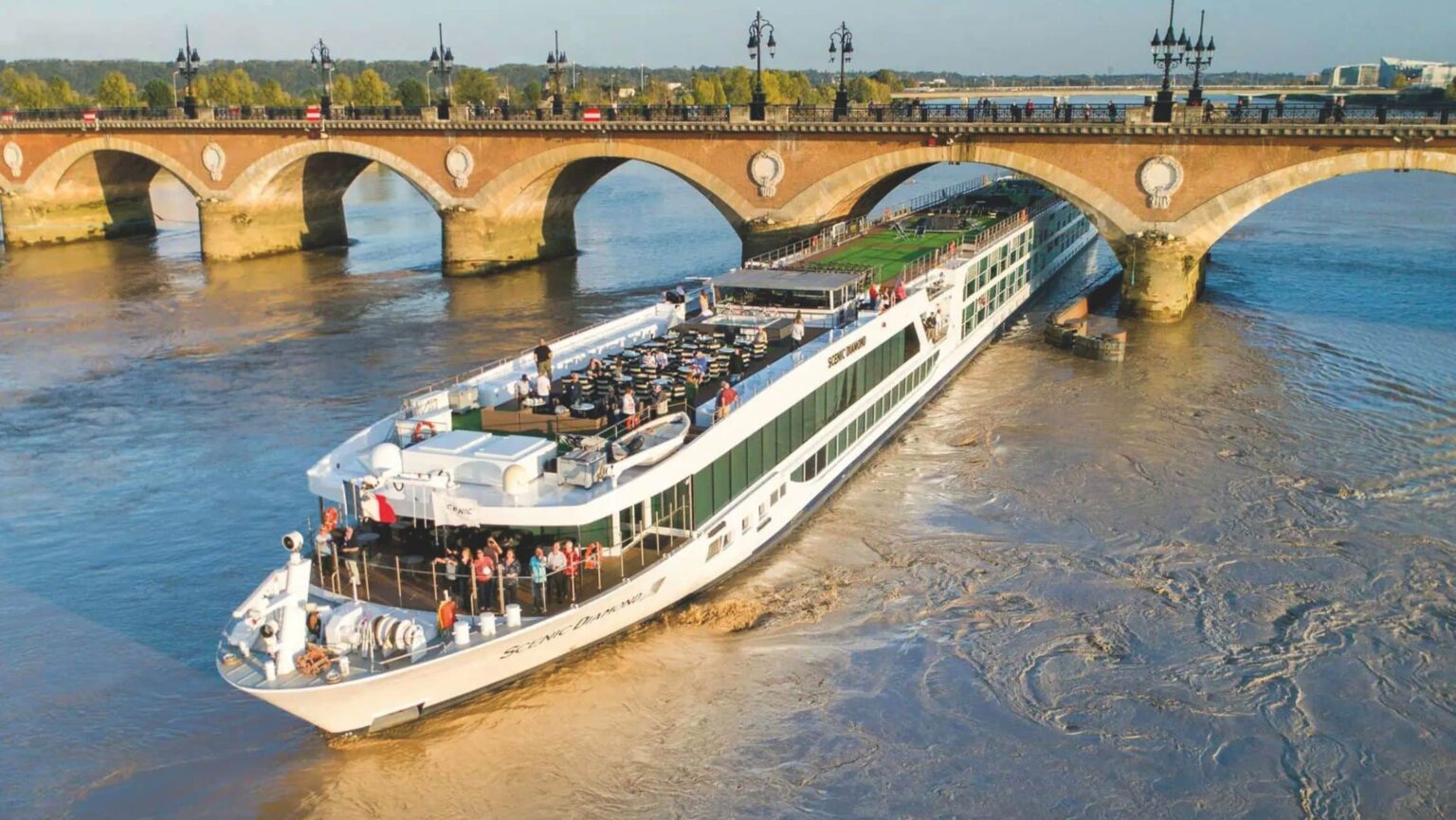
Scenic Group has advised guests that prolonged hot, dry weather and limited rainfall have resulted in unusually low water levels on sections of the Danube, Rhine and Main rivers. The company says conditions are affecting parts of the upper Danube around Budapest and between Regensburg and Passau, as well as stretches of the Rhine and Main where navigation is currently restricted.
River cruise operators monitor water levels daily, allowing them to make operational decisions well before guests arrive at affected sections of river.
Many of Europe’s other popular waterways—including France’s Rhône and Seine, Portugal’s Douro and the rivers of the Netherlands and Belgium—continue operating normally.
Modern logistics keep holidays on track
Perhaps the biggest difference from previous low-water events is how much better prepared the industry has become.
Scenic says its local operations teams are continuously reviewing conditions and sailing schedules. Where necessary, the company may transfer guests to a sister ship or amend embarkation and disembarkation ports while “maintaining the overall integrity of the itinerary wherever possible.”
Avalon Waterways has acknowledged that exceptionally low water levels have forced the cancellation of a handful of July departures on the Danube after the Avalon Impression was unable to reach its embarkation point. The company says it is contacting affected guests directly and continues to work to preserve as much of the holiday experience as possible.
Importantly, Avalon notes that fluctuating water levels are part of the natural rhythm of Europe’s rivers and says it has “a long history of making every effort to keep cruise itineraries intact”. When conditions prevent normal operations, the line works closely with guests to provide alternative arrangements and experiences so they can continue their holiday.
For the overwhelming majority of passengers, however, the result is not a cancelled holiday but a slightly different one.
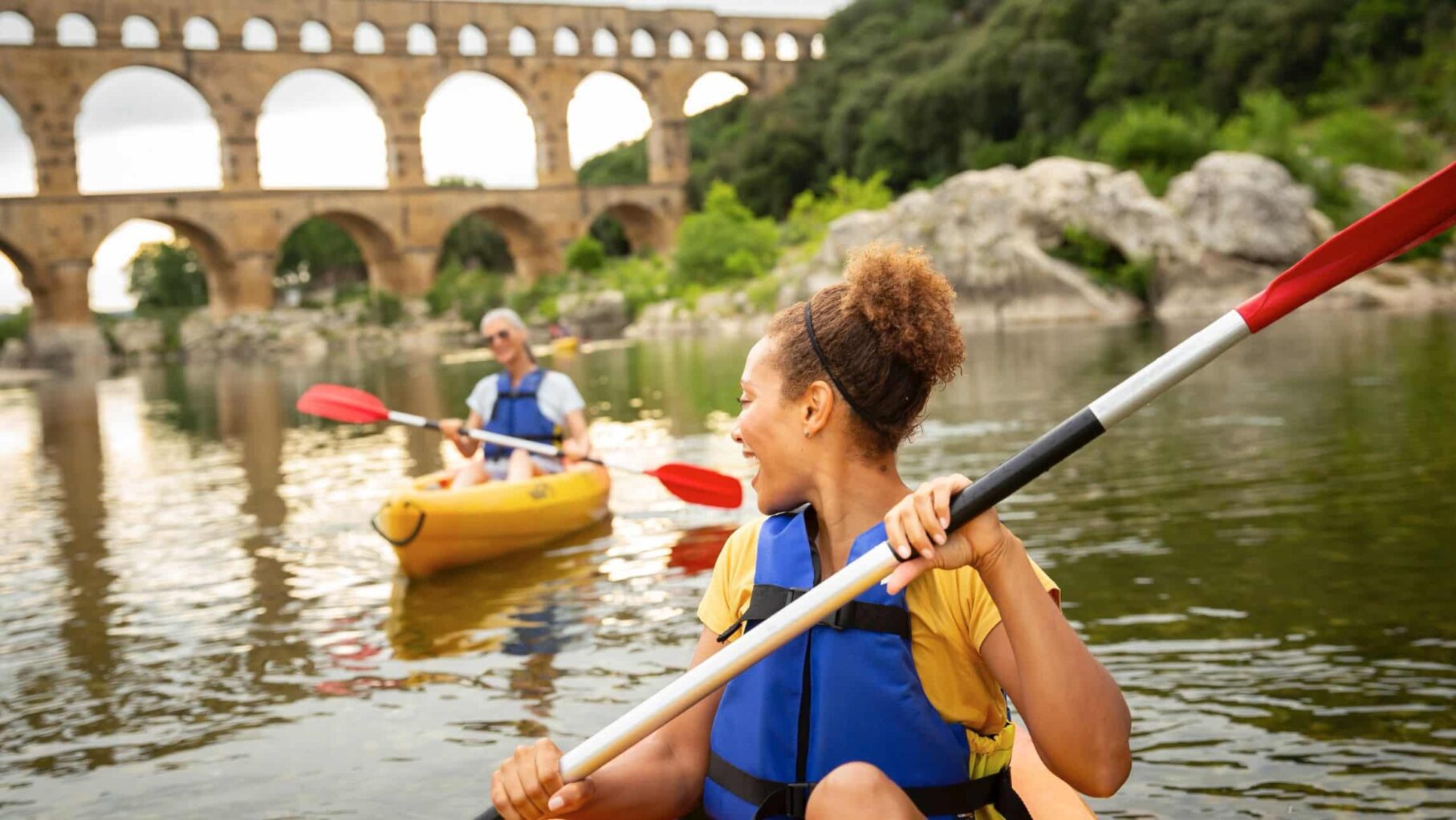
Earlier starts beat the heat
One of the most noticeable changes passengers are reporting this summer has nothing to do with river navigation.
Rather than sending guests ashore during the hottest part of the afternoon, cruise directors are increasingly scheduling walking tours much earlier in the morning.
The strategy is simple but highly effective. Because river ships usually dock overnight in the centre of towns and cities, passengers can begin sightseeing as early as 8am—well before temperatures climb into the mid-30s.
By lunchtime, many guests have completed their walking tour and are back aboard enjoying air-conditioned lounges, a leisurely lunch and a cool drink while independent travellers are still battling the afternoon heat.
Guests returning from recent Viking sailings report guides deliberately keeping groups in the shade, incorporating more indoor attractions into itineraries and adjusting walking routes to avoid prolonged exposure during the hottest hours.
It is a relatively simple operational change that is making a significant difference to passenger comfort.
Excursions are being rethought
The response goes well beyond simply leaving earlier. Across Europe, cruise directors and local guides are quietly redesigning excursions to suit the new climate reality.
Walking distances are being shortened. More time is being spent inside cathedrals, castles and museums. Coach transfers are replacing exposed walks where practical.
Wine tastings and café stops are being extended. Guides are choosing shaded streets instead of open squares wherever possible.
Rather than cancelling experiences, operators are simply making them smarter. It’s precisely the sort of flexibility that organised river cruising can offer—and which independent travellers often struggle to replicate.
Hydration is becoming part of the itinerary
Passengers are increasingly being offered bottled water before excursions, with additional supplies available on coaches and frequent reminders to refill water bottles before leaving the ship.
Cruise directors are advising guests to wear hats, lightweight clothing and comfortable footwear while encouraging regular rest stops throughout the day.
These may sound like small touches – and indeed, many are not new. But together, they make a noticeable difference during a European summer where temperatures have frequently exceeded 35 degrees.
The greatest luxury? Returning to your ship
Ironically, the current heatwave highlights one of river cruising’s greatest advantages. Unlike a land-based holiday, your luxury accommodation travels with you.
After a morning exploring medieval villages, grand cathedrals or historic city centres, passengers simply return to their floating hotel.
Air-conditioned lounges, cool cabins, leisurely lunches and shaded sun decks provide an immediate escape from the afternoon heat. Independent travellers often spend the hottest hours searching for cafés or retreating to hotel rooms.
River cruisers are already home.
When the river becomes too shallow
Occasionally, nature still wins. If a section of river becomes temporarily unnavigable, cruise lines now have an impressive toolkit of contingency plans.
Passengers may transfer by luxury coach around the affected stretch before rejoining either their own vessel or an identical sister ship waiting further upstream. In some cases, embarkation or disembarkation ports are adjusted while sightseeing programmes continue largely as planned.
These logistical operations have become almost routine for Europe’s major river cruise companies, many of which now operate extensive fleets capable of repositioning ships and crews quickly when conditions demand.
Although a ship swap may sound dramatic, experienced river cruisers often say the process is far smoother than they expected.
The important point is that the holiday continues.
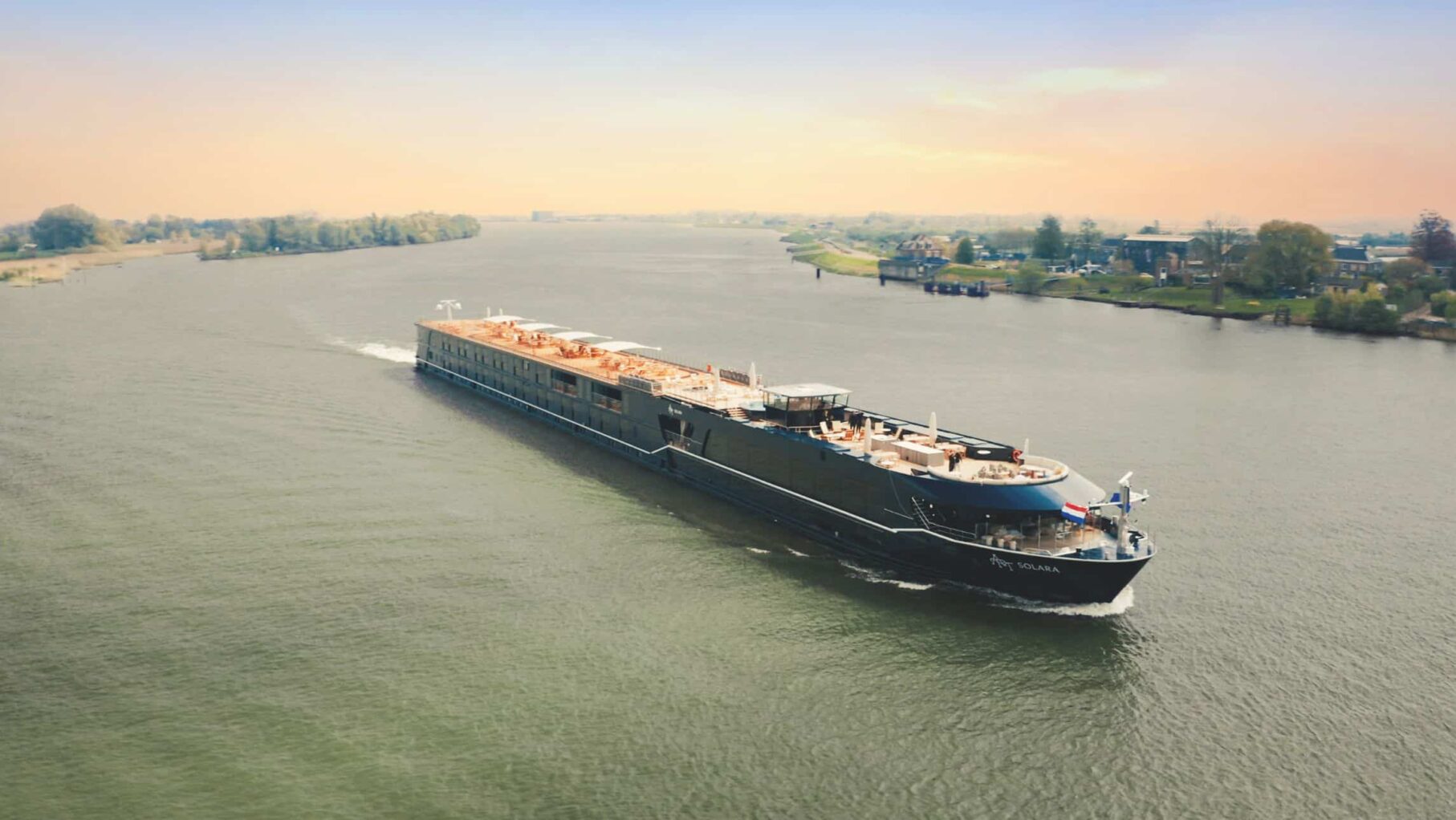
Many of the newest vessels from companies including AmaWaterways, Avalon Waterways, Scenic, Viking, Uniworld and APT have been designed with shallower drafts and greater operational flexibility than earlier generations.
Modern engineering has significantly increased the operating window before disruption becomes necessary. That investment is paying dividends during summers like this one.
Should Australians be worried?
For Australians planning a European river cruise later this year, the answer is probably not. Yes, there may be occasional itinerary adjustments if exceptionally dry weather continues.
But widespread cancellations remain rare. More importantly, operators now have years of experience managing these situations and have developed contingency plans that preserve as much of the holiday experience as possible.
The forecast rainfall across Central Europe should also ease current pressures if expected.
A blueprint for climate adaptation
Perhaps the most encouraging story is that Europe’s river cruise industry is quietly becoming one of tourism’s best examples of climate adaptation.
Rather than accepting disruption as inevitable, operators are redesigning excursions, re-engineering ships, embracing operational flexibility and finding innovative ways to keep passengers comfortable despite increasingly hot summers.
Earlier departures.
- Smarter itineraries.
- More indoor experiences.
- Flexible ship operations.
- Continuous communication.
As Europe’s climate continues to evolve, so too is one of the continent’s most popular holiday experiences. And if the forecast rain delivers as expected, the rivers themselves should soon receive some welcome relief, ensuring that thousands more travellers can continue discovering Europe exactly as they had planned.
Waterwatch: What’s happening on the rivers
The current heatwave has pushed temperatures above 35°C across much of Western and Central Europe, accelerating evaporation and reducing rainfall.
The Rhine
The famous Kaub gauge in Germany, traditionally the pinch point for commercial shipping, is running below normal for early July, although recent rainfall has prevented it reaching the critical levels experienced during the severe droughts of 2018 and 2022.
For cruise passengers:
- Most sailings are still operating.
- Some itineraries have been adjusted.
- Ships are occasionally sailing with operational changes rather than cancellations.
The Danube
The Danube has had problems in Budapest. Water levels through Austria, Slovakia and Hungary are low, and operators are monitoring upper sections around Germany and Passau.
The Seine, Douro and Rhone
Conditions on the Seine, Rhône and most French waterways remain relatively normal. Portugal’s Douro always experiences seasonal fluctuations because of hydro-electric dam management, but nothing unusual has been reported so far.