
- Singapore is looking for more Australians and Kiwis to fly-cruise from the Southeast Asian nation.
- With the arrival of more luxury ships and newcomers like Disney Adventure, the hub will become more attractive for Australians to cruise from.
- There are now more flights to Singapore than ever before.
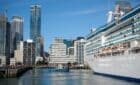
For Australian and New Zealand travellers looking to cruise Southeast Asia, Singapore is fast becoming the natural place to start and end their journey.
Easy flight connections, a growing range of cruise ships and itineraries, and a destination that rewards staying a little longer are all helping to make Singapore one of the most appealing fly-cruise hubs for travellers from Oceania.
According to Dr Edward Koh, Executive Director, International Group, HQ & Oceania, Singapore Tourism Board, Singapore’s fly-cruise segment is flourishing — and ANZ travellers have a part to play.
“Singapore’s fly-cruise segment is on a strong growth path, supported and complemented by growing diversity of cruise products, excellent air connectivity, the constant refresh of destination experiences, and healthy consumer demand,” he said.
That demand is showing up in the numbers. In 2025, more than two million cruise passengers passed through Singapore from 375 ship calls — an increase from 1.8 million passengers the year before.
“Australia and New Zealand have continued to record strong visitor arrivals over the last two years, driven in part by the fly-cruise sector,” Dr Koh observes.
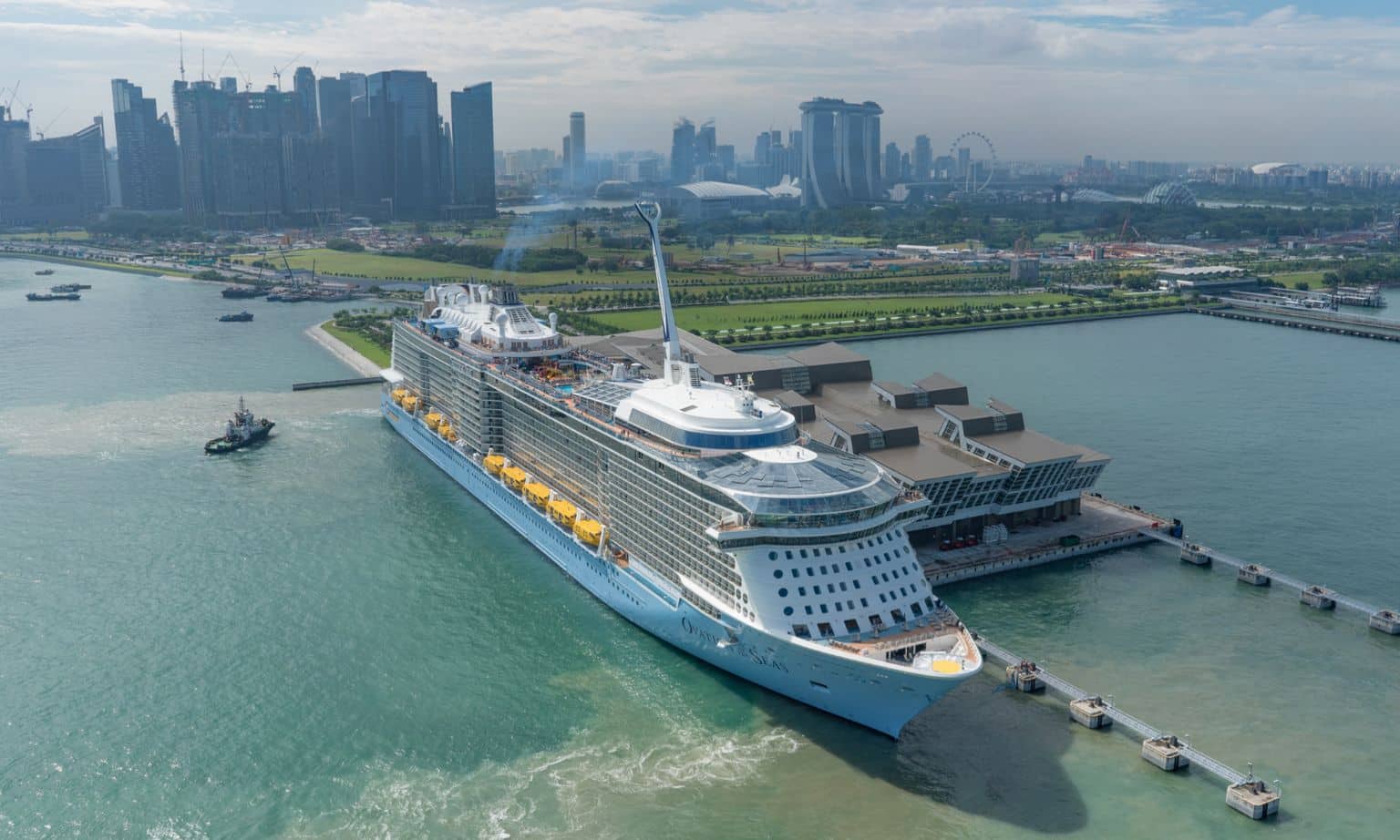
Why Singapore?
Dr Koh shares that as the leading cruise hub of the region, Singapore offers an excellent gateway for travellers from Oceania to explore Southeast Asia on diverse cruise itineraries that showcase the region’s rich tapestry of cultures, traditions and destinations.
“The variety Singapore offers in both cruise itineraries and ships is why it is a well-loved cruise destination which is not too far away from home for Aussies and Kiwis,” said Dr Koh. “Adding a destination stay pre- or post-cruise translates easily into “two holidays in one”.
Dr Koh observes that Australians and New Zealanders enjoy cruises that offer inclusive, family-friendly activities that suit multi-generational groups.
“Aussies also enjoy repositioning cruises, and are also among the first to book a cabin when their favourite cruise line introduces a new ship,” he noted.
Besides home-ported ships likeGenting Dream, seasonal sailings are also extremely popular with Aussies and Kiwis. The recent arrival of the Ritz-Carlton Yacht Collection is an example of a new premium option alongside brands like Silversea, Regent Seven Seas, Viking and Seabourn, which already sail from Singapore.
“The arrival of Disney Cruise Line’s Disney Adventure, which begins sailings on March 10, is also expected to attract both first-time cruisers and seasoned cruisers to the region across its five-year homeport,” anticipated Dr Koh.
Singapore also attracts a diverse array of cruise products, enabling travellers with varied interests to sail from Singapore. These include contemporary ships catering to multi-generational families and working adults, longer sailings tailored to active silvers, or premium and luxury cruises that deliver intimate and personalised experiences.
“Continuing to pursue new cruise concepts that have strong appeal, such as themed and wellness cruises, and broadening the range of experiences available, will provide a wider range of cruise itineraries appealing to different traveller segments,” added Dr Koh.
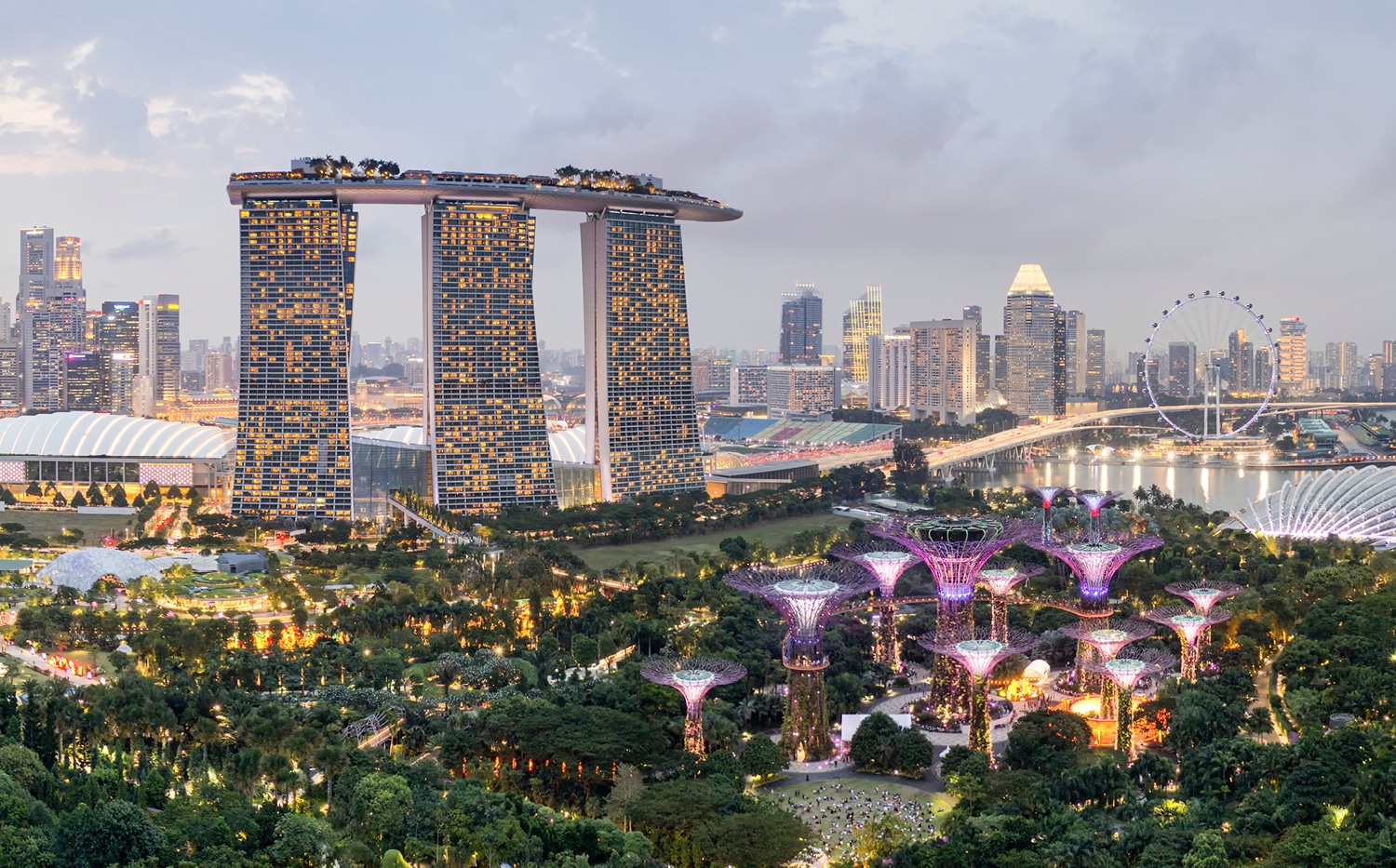
Destination appeal beyond the cruise
“Singapore’s constantly evolving landscape of destination experiences provide compelling reasons for pre- and post-cruise stays in Singapore, even for repeat cruise visitors,” Dr Koh said.
Food and culture remain the strongest drawcards. Australia and New Zealand travellers enjoy indulging in Singapore’s multicultural heritage, as well as the many F&B options.
“Aussie and Kiwis love Singapore’s diverse and varied dining scene which ranges from rooftop bars and speakeasies to hawker favourites, fine-dining and heritage cuisine,” said Dr Koh. “With new bars and restaurants opening their doors each year, it’s why repeat cruise visitors enjoy extending their stay in Singapore.”
Dining-wise, concepts that include Singapore’s heritage are particularly popular, like Synthesis and Belimbing and the new Gilmore & Damian D’Silva.
“As many Aussies and Kiwis feel that they know the destination well, our marketing efforts in Oceania have always been about profiling new and engaging experiences that would appeal to both first-timers and repeat visitors,” added Dr Koh.
For example, 2025 saw the opening of new attractions like Rainforest Wild Asia, the new Oceaniarium and Minion Land; and hotels like Raffles Sentosa, The Standard and METT Singapore.
For 2026 and beyond, Singapore’s ongoing additions to both cruise and destination travel experiences present a whole new cruise proposition for travellers.
Upcoming attractions in the pipeline include Rainforest Wild Africa this year, the Porsche Experience Centre (2027) and the new Science Centre (2027), which reinforce Singapore as an exciting destination.
An enhanced fly-cruise experience
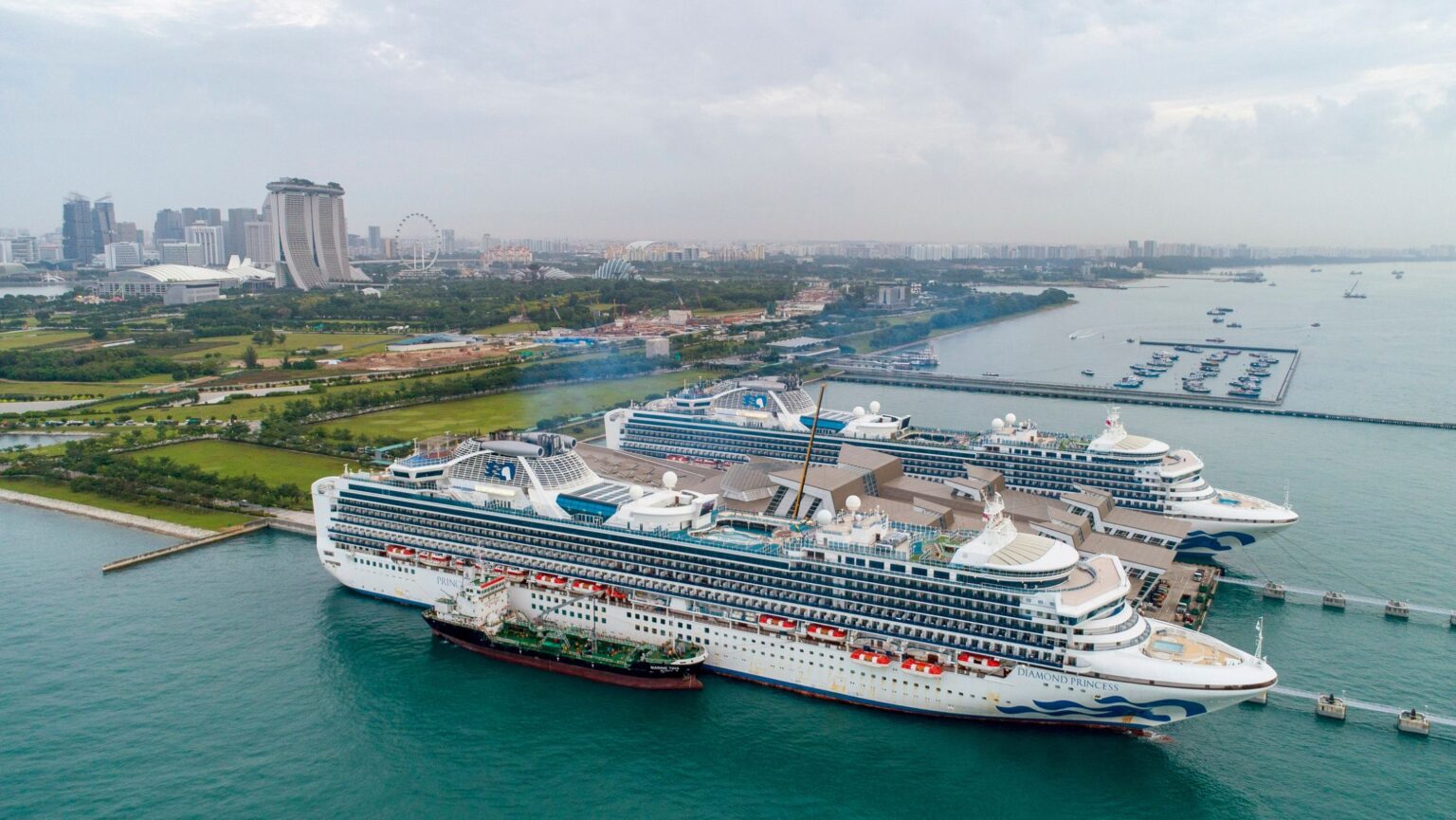
Singapore’s commitment to fly-cruise growth is reflected in ongoing investment in cruise infrastructure, particularly at Marina Bay Cruise Centre Singapore (MBCCS), which has recently undergone a significant upgrade.
The transformation has increased the terminal’s passenger handling capacity from 6,800 to 11,700 passengers, supported by a new check-in hall and an expanded ground transport area.
According to Dr Koh, the upgrade “strengthens Singapore’s appeal as a fly-cruise port of choice by enhancing capacity, passenger flow and end-to-end convenience for air travellers connecting to cruises”.
The expanded terminal allows Singapore to handle larger ships with higher passenger volumes calling at the same time, aligning with the global trend towards increasing ship sizes. For fly-cruisers, this translates into smoother embarkation, disembarkation and a more seamless connection between air and sea travel.
“Besides upgrading cruise terminal infrastructure, Singapore aims to enhance the end-to-end experience for fly-cruise visitors by improving airport-to-terminal connectivity, expanding capacity to meet future demand and diversifying cruise offerings,” added Dr Koh.
Airline partnerships play a role in this strategy. MBCCS currently operates Cruise-Fly services with Singapore Airlines and Qantas, with further airline collaborations being explored.
Discussions are also underway between Changi Airport Group and cruise lines to offer services that enable seamless luggage transfers between the airport and the cruise terminal, delivering a more convenient, end-to-end journey for fly-cruisers.
At present, Changi Airport supports 7,000 weekly flights connecting to 161 cities in 50 countries and territories worldwide. Changi Airport’s Terminal 5 is expected to be operational by the mid-2030s, and this will add capacity for the airport to handle another 50 million passengers a year.
“This is in addition to the current capacity of 90 million passengers, creating significant growth opportunities for Singapore and the fly-cruise segment,” said Dr Koh.
A gateway to Southeast Asia
Singapore is also actively working with other countries to make the region as a whole attractive for ANZ fly-cruisers. The countryserves as the lead coordinator for ASEAN cruise development, collaborating with ASEAN partners to develop and market Southeast Asia as an appealing cruising region
“This is done through regional marketing efforts like joint promotions at major tradeshows to raise the region’s profile and stimulate demand for cruising within Southeast Asia,” elaborates Dr Koh.
Singapore also works with ASEAN member states and regional ports to explore new ports and diversify sailing routes, to expand the variety of itineraries for fly-cruisers.
“Engagement sessions are also conducted with relevant trade representatives and stakeholders in ASEAN, to raise awareness of the value of cruise tourism and strengthen regional collaboration,” Dr Koh noted.
Related Posts
-

New Zealand’s unified cruise strategy has delivered fast results, lifting confidence, cutting barriers and attracting more ships. Australia, now down 35 percent in cruise capacity, risks falling behind unless it…
-
New Zealand has proved what a dedicated and coordinated policy can do for the industry.
-
While Western Australia was celebrating the success of its 2023/24 cruise season, where 290 cruise ship visits were recorded and more than $385 million was injected into the economy, there…
-
Ponant Explorations has launched a Fly, Stay and Cruise package for adventure seekers cruising the Kimberley next year.