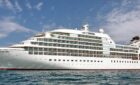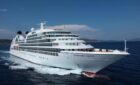
- Seabourn, Carnival’s luxury line, is taking a different tack to its competitors.
- While Silversea, Ponant, Scenic and others are building, Seabourn is selling ships.
- According to President Mark Tamis, the line is “right-sizing”. And it’s not for sale.
Seabourn Cruise Line finds itself at a pivotal moment in Australia – a market that has become its third largest globally. As change sweeps through both its fleet and the wider ultra-luxury cruise sector, it’s one of the few lines with no new ship orders.
In another example of a brand going its own way, it’s just announced it is abandoning submarines on its expedition fleet, because its passengers don’t want them.
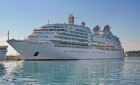
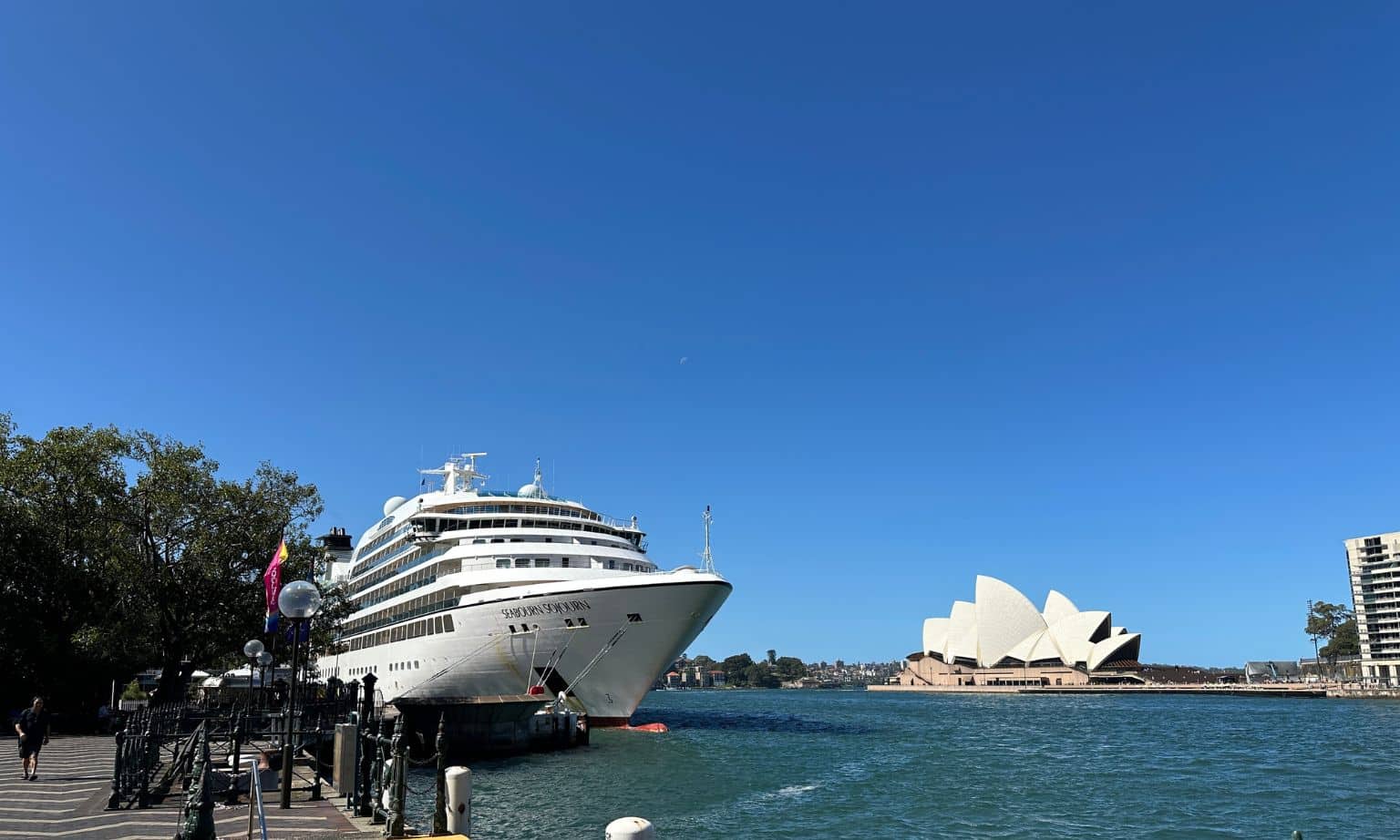
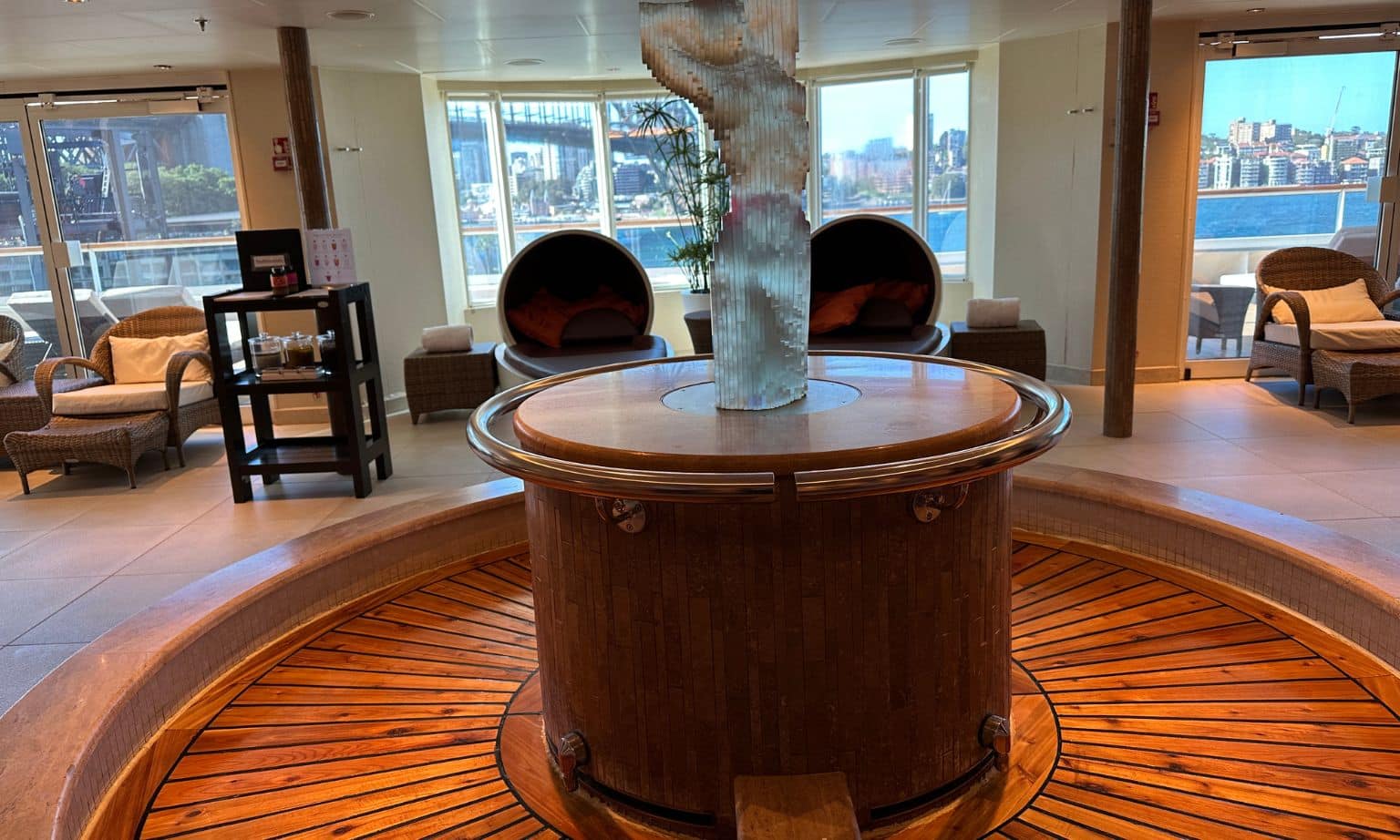
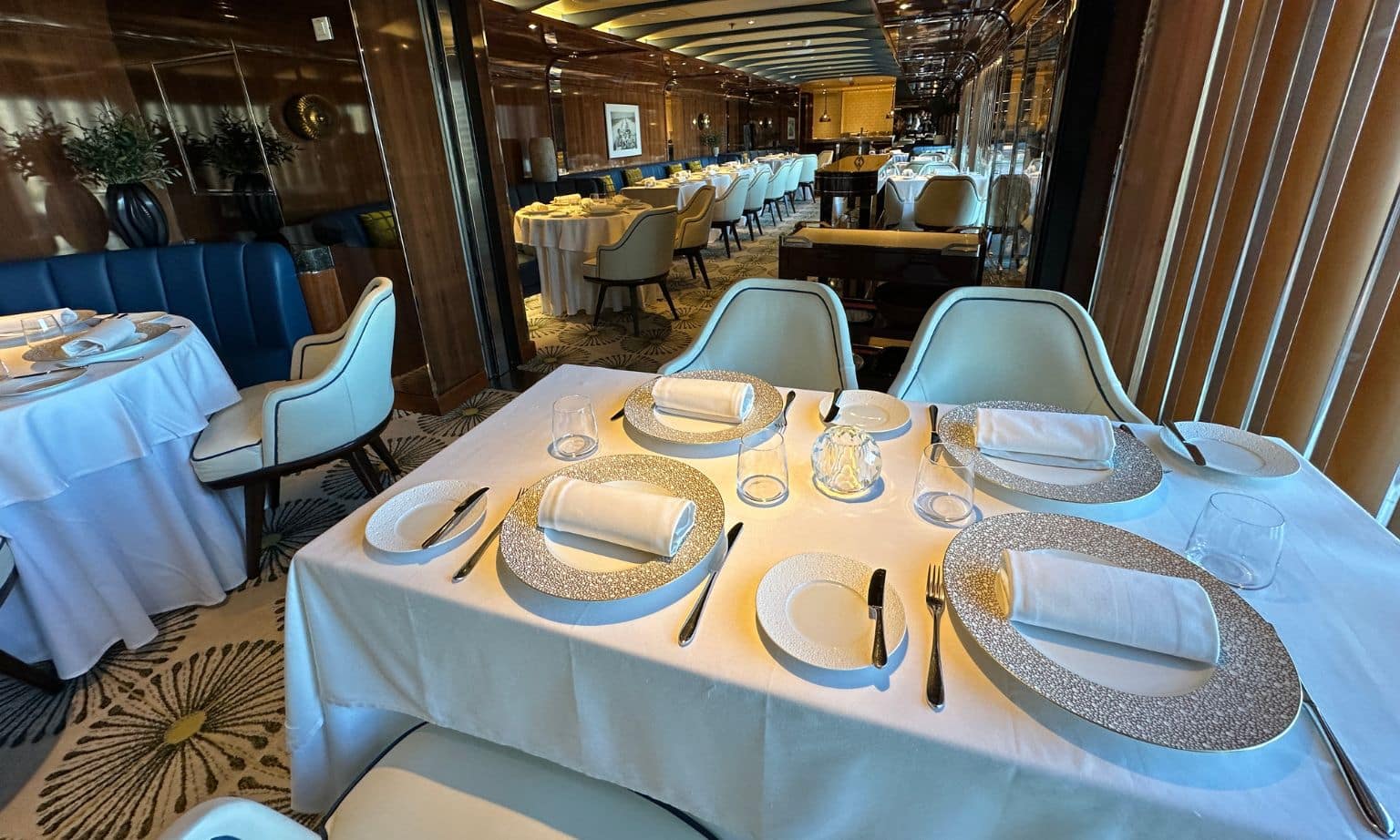
We’re on board Seabourn Sojourn in Sydney Harbour, currently on the 49th day of a world cruise. In May, the elegant vessel will leave the fleet, the second vessel to be sold to a Japanese cruise line.
Sojourn is already owned by the Mitsui Group via Mitsui OSK Lines Ltd (MOL), which operates 935 vessels worldwide. Her departure at the end of the world cruise will mark the end of an era for Australian guests who have sailed on her in Europe, Alaska and beyond.
The sale comes at a time when the luxury cruise market is in expansion mode.
Most luxury lines are expanding
Scenic, Silversea, Regent Seven Seas Cruises, Oceania Cruises and Crystal are all building new ships, investing billions to capture surging demand for high-end, experience-led travel. Against that backdrop, questions inevitably arise about Seabourn’s own growth plans.
On board Sojourn, Seabourn President Mark Tamis addressed those questions. Despite speculation that the line might announce newbuilds to keep pace with competitors, Tamis was unequivocal.
“We truly feel like the fleet is right-sized for this moment, for the next couple of years. And then we’ll always read about it later.”
He was just as firm about rumours since COVID that the entire Seabourn line could be sold, with speculation frequently linking Middle Eastern or Saudi interests to a potential acquisition.
Tamis dismissed the chatter emphatically. “Just that, rumours,” he said.
His comments reflect a cautious approach in a capital-intensive industry where new ships can take years to design and deliver. While rivals commit to expansion, Seabourn is signalling consolidation – at least for now.
Seabourn is part of the giant Carnival group. Seabourn is Carnival’s best bet on the burgeoning luxury market outside of Cunard.
Royal Caribbean owns Silversea. Norwegian has Oceania and Regent Seven Seas.
Seabourn in Australia
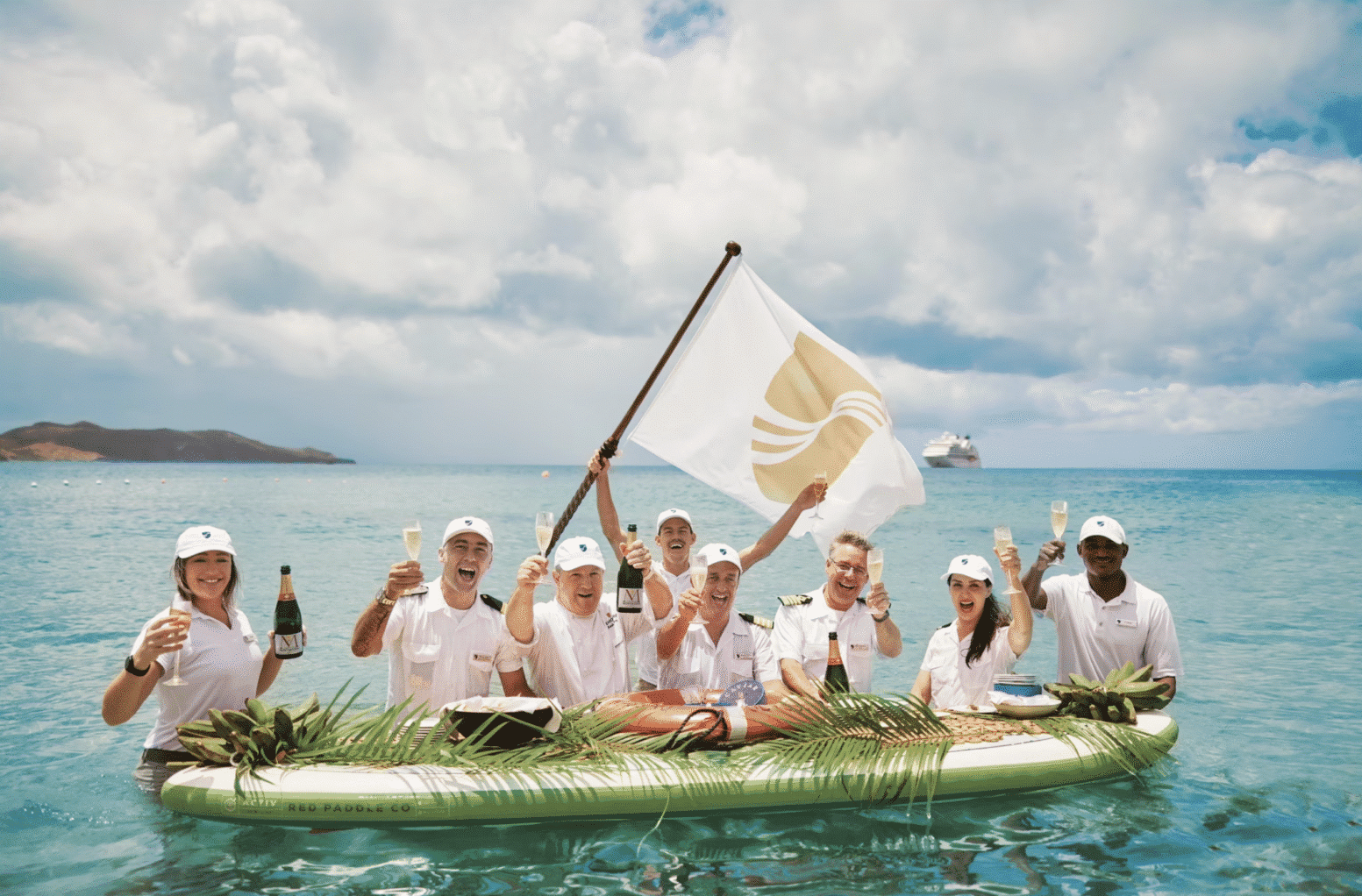
In Australia, Seabourn’s operational focus has taken on renewed importance. The country is Seabourn’s third biggest source market globally, and the line has adopted new strategies to bring Australian guests aboard its ships — even when those ships are sailing far from local waters.
The Kimberley remains a key drawcard, with Seabourn’s purpose-built expedition vessels offering immersive exploration in one of Australia’s most remote regions. Beyond home waters, the company is working to funnel Australian guests onto itineraries in Europe and Antarctica, leveraging partnerships to simplify access and broaden appeal.
Among those partnerships are agreements with APT and, more recently, Uniworld Boutique River Cruises – both well-known names in the Australian premium travel space. The collaborations provide Australian travellers with curated pathways from river cruising or escorted touring into Seabourn’s ultra-luxury ocean and expedition experiences.
Tamis said Seabourn would be launching new onboard experiences and shore excursions, reinforcing its emphasis on destination immersion rather than fleet growth. In an increasingly competitive luxury sector, differentiation through experiences is becoming as critical as hardware.
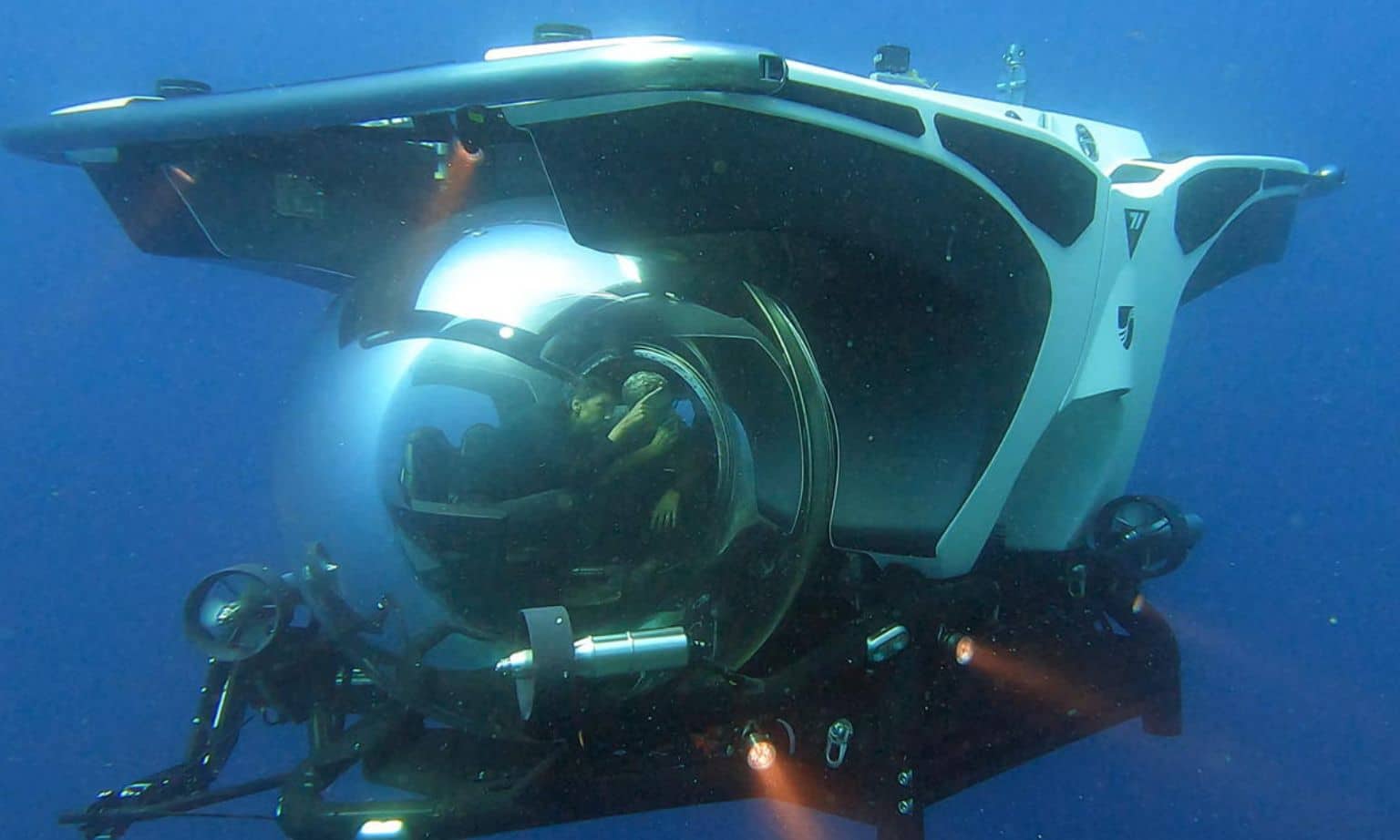
One notable change within the expedition fleet underscores that pragmatic approach – the subs.
Seabourn introduced custom-built submarines aboard its expedition ships — a bold, high-profile addition intended to elevate undersea exploration. But according to Tamis, the line is now withdrawing them.
A high point for the program came in 2024, when one of Seabourn’s submarine expeditions became the first to ever locate the Titania shipwreck site. The German supply ship had sunk 110 years prior, and Seabourn found it in the Chilean Juan Fernandez Archipelago with the help of a local fisherman.
But guest uptake simply did not justify their continued operation. In a business where every square metre must earn its keep, even eye-catching innovations are subject to commercial reality.
Seabourn’s expedition fleet currently comprises two ships, purpose-built to access remote environments from the Arctic to Antarctica and the Kimberley. By “sinking” the submarines – in effect retiring the program – the company is refining its product to align more closely with guest demand.
In Alaska, for instance, it will elevate exploration this summer with an Expedition Team set to inform guests onboard Seabourn Encore about the endless wonders of Alaska and British Columbia.
From May to September 2026, a world-class team of naturalists, scientists, and experts in wildlife, history, and watercraft will lead immersive experiences in Alaska. Through exclusive Ventures by Seabourn programming, guests will gain deep insights into the region’s geology, ecology, and culture.
This moment of recalibration comes as Sojourn continues her globe-spanning voyage.
World cruises have long been a hallmark of the ultra-luxury sector, appealing to seasoned travellers seeking continuity, community and curated depth. That Sojourn is mid-way through such an ambitious 140-day itinerary underscores Seabourn’s enduring strengths: destination-rich programming, high crew-to-guest ratios and an intimate onboard atmosphere.
Yet the competitive landscape is shifting. With rivals adding tonnage and promoting ever-larger suites and more extravagant amenities, Seabourn’s decision to hold steady stands out.
For Australian guests, the message is nuanced. The fleet may be “right-sized” for now, but the brand remains committed to the market through partnerships, expedition deployments and global itineraries tailored to long-haul travellers.
Whether this period proves to be a pause before renewed growth, or a longer-term strategy of disciplined focus, will become clearer in the years ahead. For now, Seabourn is charting a course defined less by expansion and more by consolidation – and by a belief that, at least for the moment, its fleet is the size it needs to be.
For more see here.
Related Posts
-

Seabourn Odyssey Published by Jane Archer Published on 27 November 2024 AccommodationFoodActivitiesFamilies .entry-header{display:none;} Seabourn Odyssey was launched in 2009, as the first of a new family of ships for the…
-
Seabourn Sojourn Published by Jane Archer Published on 27 November 2024 AccommodationFoodActivitiesFamilies .entry-header{display:none;} A small luxury ship, Seabourn Sojourn was launched in 2010 with one of the highest passenger/space ratios…
-
Seabourn Quest Published by Jane Archer Published on 27 November 2024 AccommodationFoodActivitiesFamilies .entry-header{display:none;} Launched in 2011, Seabourn Quest is a relatively small ship, but has one of the highest passenger/space…
-
Uniworld Boutique River Cruises has unveiled a wave of new developments that promise to reshape the way Australians experience luxury travel.