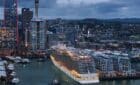

- New Zealand has a new strategy to prevent future biofouling issues, which have plagued cruise ships and local industry in recent years.
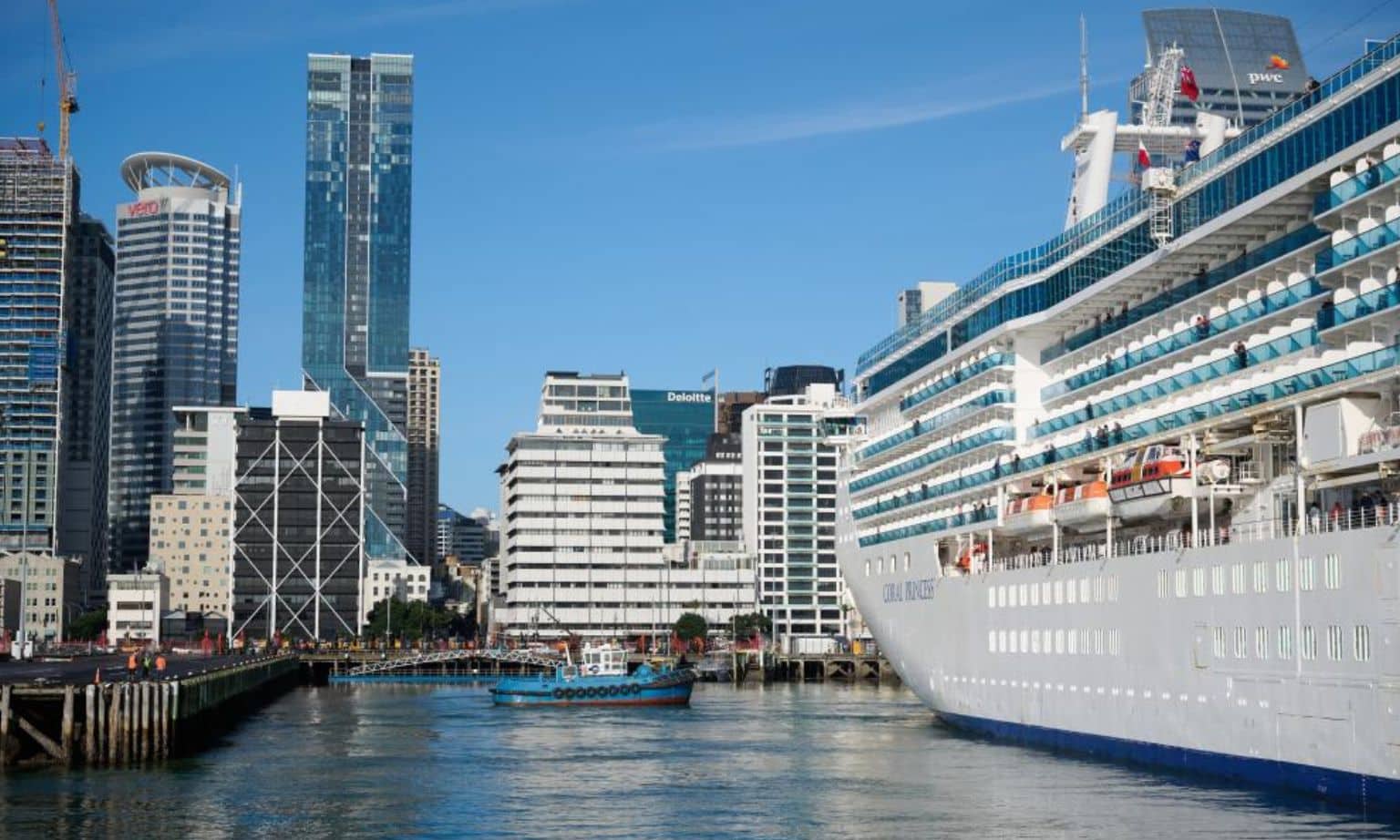
- The strategy involves an in-water cleaning system that ships can use in Auckland, before entering New Zealand’s national parks.
- This stands in stark contrast to Australia’s stagnation in addressing cruise-related issues.
Since formulating a national cruise strategy, involving their cruise association, the wider cruise industry and the New Zealand government, New Zealand has proved what a dedicated and coordinated cruise strategy can do for the industry.
New Zealand’s new cruise strategy came after a 40% drop in cruise visitors was forecast, and the local cruise industry and government have been working hard to reverse these numbers.
Apart from the new strategy already attracting new ships, such as Carnival Adventure, which cancelled a series of Sydney sailings and pivoted to Auckland instead, it’s also showing how, with clear priorities and clearly outlined responsibilities, solutions to industry problems and bottlenecks can be reached much more quickly.
For example, a significant contributing factor to New Zealand’s cruising woes has been new biofouling rules, that created strict regulation for the cleanliness of a ships hull. These new rules saw cruise ships turned away from New Zealand, itineraries interrupted, industry hesitate to New Zealand and more.
Cruise lines complained they didn’t know where to get hull cleaning services that would be guaranteed to meet NZ’s tough new standards. Some of those turned away had undertaken hull cleaning.
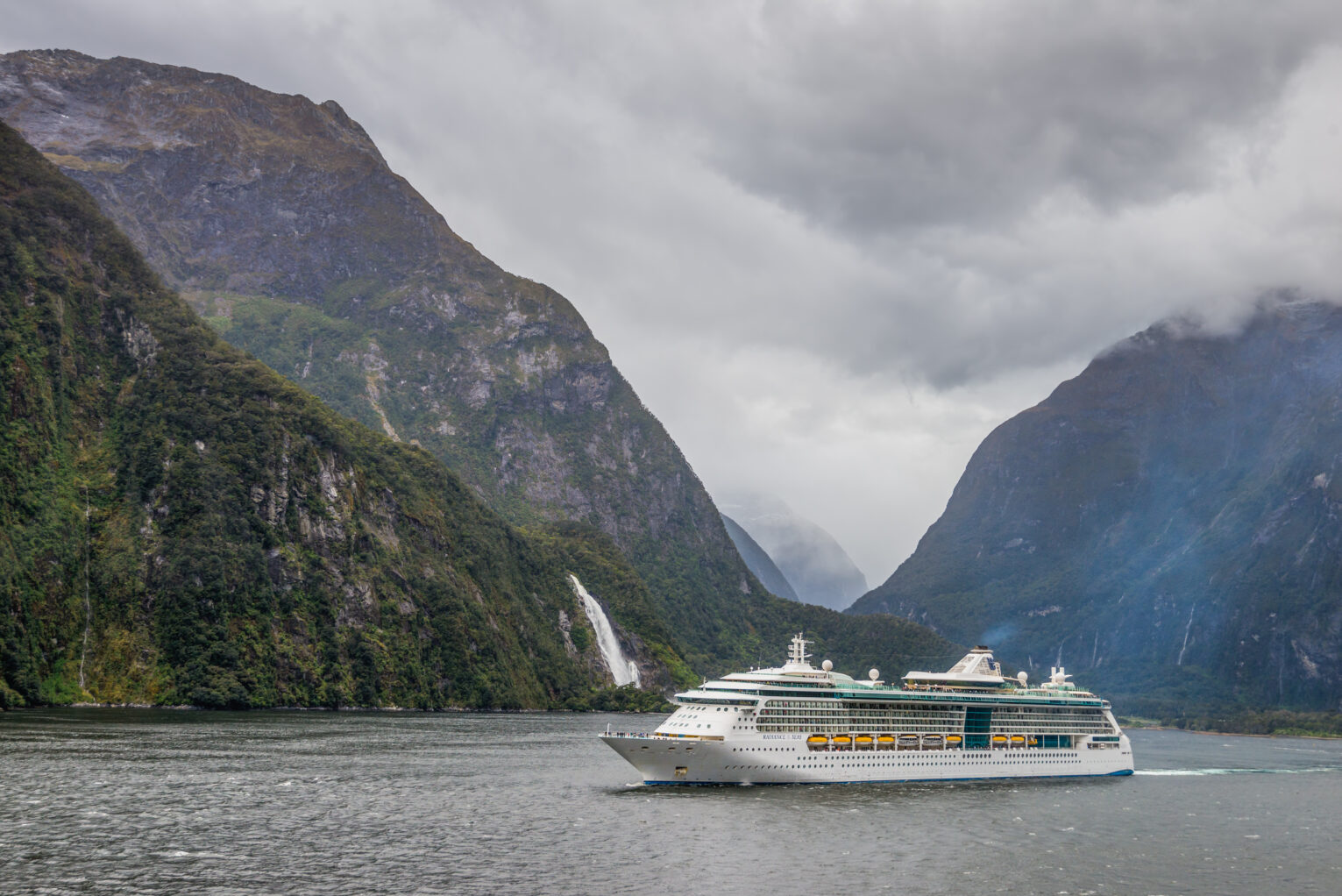
Now, the government and industry have quickly formulated a strategy to ensure that this won’t happen anymore, while still maintaining the strict environmental standards which are in place to protect ecosystems and national parks.
New Zealand Biosecurity Minister Andrew Hoggard has confirmed that new in-water cleaning technology will be available as soon as this summer to help ships clean their hulls in Auckland, before entering New Zealand’s national parks.
A statement from Biosecurity reads: “The technology targets hard-to-clean areas of vessel hulls, such as sea chests and propeller shafts, providing a safe and practical solution for spot cleaning in port. This reduces the need for offshore cleaning and minimises disruption to passenger and cargo operations.”
Hoggard says this will help vessels, such as cruise ships, comply with the biosecurity regulations without causing any disturbances for passengers.
“It will help vessel operators meet their biosecurity responsibilities without disrupting passenger or cargo operations.
“The work reflects Biosecurity New Zealand’s commitment to helping vessel operators comply with biofouling and other biosecurity requirements. Marine growth on vessel hulls – poses a biosecurity risk to New Zealand’s marine environment.
“This government is committed to ensuring New Zealand’s environment, unique marine ecosystems, aquaculture industry, and economy are protected from biofouling.
“At the same time, we are very aware of the commercial pressures faced by the shipping and cruise industries, and the need to make compliance with New Zealand’s biosecurity requirements as straightforward as possible.”
The project brings a smart ‘win-win’ solution, that balances environmental protections with greatly minimising disruptions to commercial vessels, such as cruise ships.
This solution stands in stark contrast to the Australian federal government’s current refusal to engage with cruise related issues.
Perhaps the most clear example is that of finding a new cruise terminal for Sydney, a search and public debate that already spans decades.
In October 2024, a committee was formed by the NSW government to find a solution. The committee most recently met just weeks ago, and is yet to publicly share any findings or progress, more than a year since being formed.
Don Farrell, as the minister for tourism, has steadfastly refused to help create a whole-of-government approach to Australia’s cruise industry, which is also facing a depleting number of cruise ships and capacity.
He does have plenty of issues to deal with as he negotiates trade deals, but his refusal to engage is in stark contrast to his counterpart in New Zealand.
It’s understandable that cruise can’t be a priority for everyone, but calling a national cruise summit and formulating a coordinated strategy would mean that those who do hold cruise as a priority could be the ones placed in charge of its fate.
The industry already took a $1 billion hit in expenditure over the past season and is set for further losses. Further inaction will mean further job losses and a larger mountain to climb to recover the industry in the future.
Related Posts
-

New Zealand’s unified cruise strategy has delivered fast results, lifting confidence, cutting barriers and attracting more ships. Australia, now down 35 percent in cruise capacity, risks falling behind unless it…
-
New Zealand is in the process of reckoning with, and attempting to reverse, an undeniable crisis for the cruise industry.
-
While Western Australia was celebrating the success of its 2023/24 cruise season, where 290 cruise ship visits were recorded and more than $385 million was injected into the economy, there…
-
Luxury line Seabourn will debut an epic 145-day World Cruise in 2027 which will include a circumnavigation of Australia.