
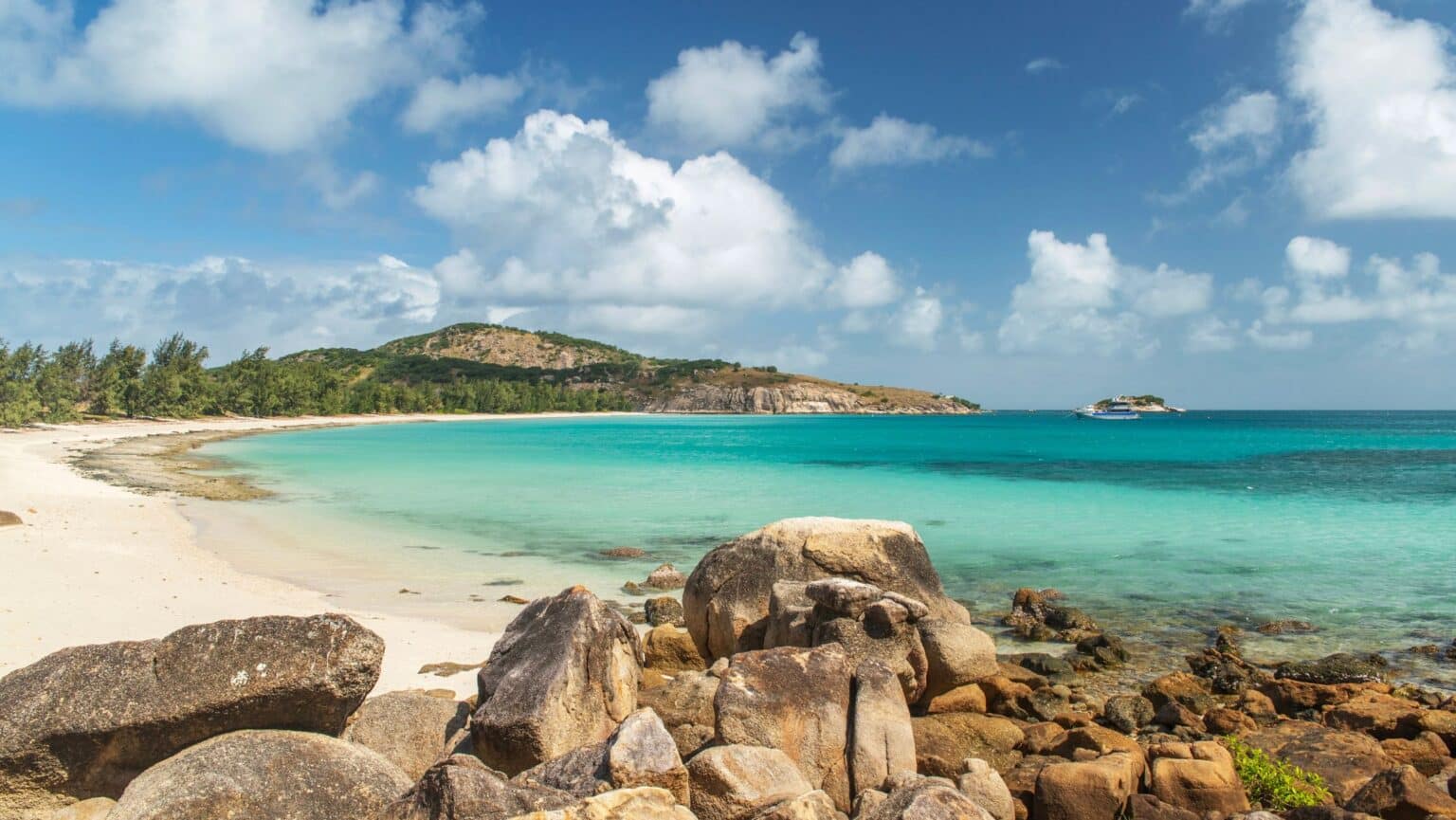
- The Australian Maritime Safety Authority (AMSA) has confirmed it is still investigating how a Coral Adventurer passenger died on Lizard Island.
- The agency also hinted that it could publish a report on safety lessons from the incident.
- Reports have suggested Suzanne Rees was left on the island by mistake.
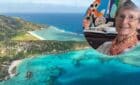
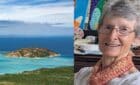
AMSA is continuing to investigate the incident in which cruiser Suzanne Rees tragically died after reportedly being left behind on Lizard Island.
The Coral Adventurer reportedly left the island without realising that Rees was not onboard.
The incident sparked headlines in Australia, with many, including the family of Rees, demanding answers on what happened. The tragic incident happened almost four months ago.
Other agencies that were said to be investigating the incident include the Queensland Police and Workplace Health and Safety Queensland. No one has yet issued a report.
AMSA says it does not generally make public its findings but added: “The outcome of an investigation, however, may include the development of strategies and interventions to improve marine safety which may, in some circumstances, include the publication of a safety lessons report.”
This could suggest that AMSA will publish a report on safety suggestions for expedition cruising in Australia. It is possible that AMSA could publicise guidelines or recommendations for expedition ships in a bid to avoid the repeat of any similar incidents in the future.
Meanwhile, Coral Adventurer ran into other problems, again drawing headlines after running aground on a reef near Papua New Guinea and being subsequently detained.
This led to the cruise line having to organise flights home for those on board and cancel further voyages.
Investigators should be reporting on these, among other issues:
Among the many questions investigators will want answered are:
1. What are the ship’s headcount procedures? Given that the ship left without Suzanne Rees onboard and this error wasn’t noticed for some hours, investigators will want to know the ship’s headcount procedures and will need to determine how this process broke down on this occasion.
2. Was the ship adequately staffed? The investigators will also likely look at staffing of the ship, and determine if the ship has enough crew onboard, if crew members are adequately trained in the safety procedures. At least one media outlet has carried anonymous claims about staffing on board the ship.
3. Were general safety procedures while on shore excursions adequate? Rees was allegedly told to go down the hiking trail alone, despite being an elderly woman in extreme heat who was reporting illness. Investigators will be examining safety protocols and staff training.
The NRMA owns Coral Expeditions.
A spokesman said last month: “We are working closely with Coral. Our priorities have been supporting the Rees family, passengers and crew, and cooperating with the ongoing investigations”.
NRMA chair Derek Stanwell told The Nightly: “The death of Ms Rees was devastating. I feel a heavy sadness that a trip that should have been a source of joy and adventure ended so tragically. On behalf of the entire NRMA and Coral Expeditions communities, we are deeply sorry”.
The company’s website tells the story of the 40-year-old line’s formation.
Started by a fisherman-entrepreneur with a passion for life at sea was the original Coral Princess, a converted ‘Fairmile’ submarine chaser, commissioned in 1983.
“The company has always been based in Queensland, in the tropical north of Australia. From our base in Cairns, the gateway to the Great Barrier Reef, the company pioneered small ship expedition style cruising in the Kimberley, the Great Barrier Reef, the Islands of the South Pacific and Papua New Guinea. The Coral Expeditions’ product has always been defined by leading immersive excursions to remote areas untouched by traditional cruise ships and tourism operators. Given its origins, exploring the Great Barrier Reef, it should come as no surprise that environmentally sensitive operations with minimal impact are part of the company’s DNA.
“As the company grew, it pioneered many developments that have since become standard in the cruise industry, such as the use of interpretive guides onboard and the practice of offering all-inclusive shore excursions. The build of Coral Discoverer in 2005 was also a landmark – a state-of-the-art small ship with bluewater capabilities built to very high standards in Australia.
Today, with new builds Coral Adventurer and Coral Geographer, Coral Expeditions is continuing to expand on a rich Australian heritage and takes cruises further and further afield. Coral Expeditions is one of the largest employers of Australian seafarers today.”
Related Posts
-

The 60-day cruise around Australia with cruise line Coral Expeditions has been cancelled after cruise passenger Suzanne Rees tragically died on a shore excursion at Lizard Island, capturing national and…
-
On Saturday, 80 year-old Suzanne Rees joined a hiking tour to Cook’s Look summit on Lizard Island as part of her Coral Expeditions cruise. Temperatures were reportedly as high as…
-
The ship, which was due to leave today, has to spend an additional day in Auckland as Cyclone Tam hits New Zealand.
-
Opinion: Could the government's $2 billion military property sell off open the way for cruise ships at Garden Island? David Jones hopes so.