
- The French Senate has voted to pass an $26 tax per port per passenger for cruise ships in France.
- This will significantly bite into cruise lines profits and CLIA has hit back against the tax in a statement.
- Cruise Lines International Association has already condemned the tax, which will push up prices.
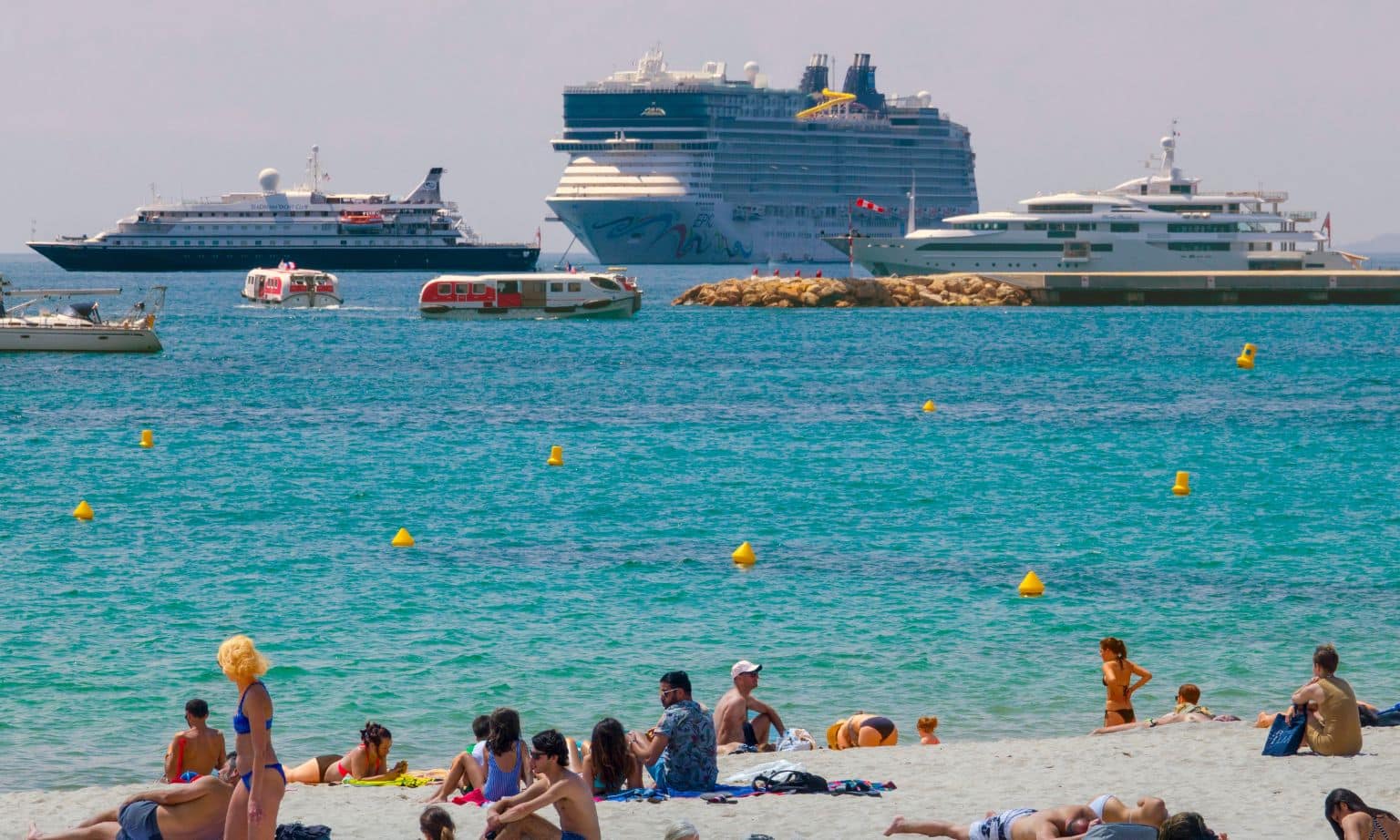
The French Senate has just approved one of the most significant new taxes on cruise ships, which could cost the industry as much as $1.3 billion a year.
What’s unusual is that a $26 per passenger tax applies on every port meaning it will multiply and become more expensive the longer a ship remains in French waters.
Over recent years, the cruise industry has taken many hits from various European countries and cities, in the form of new cruise taxes, caps on cruise passengers, scaled-back infrastructure and more.
French senators voted to pass a 15 euro (AUD$26) tax per cruise passenger, per port. This would mean for example, if a cruise were to visit three French ports on an itinerary, this tax would need to be paid per passenger at each port. On a ship of 2000 people this equals to $156,000 extra in costs for a cruise line.
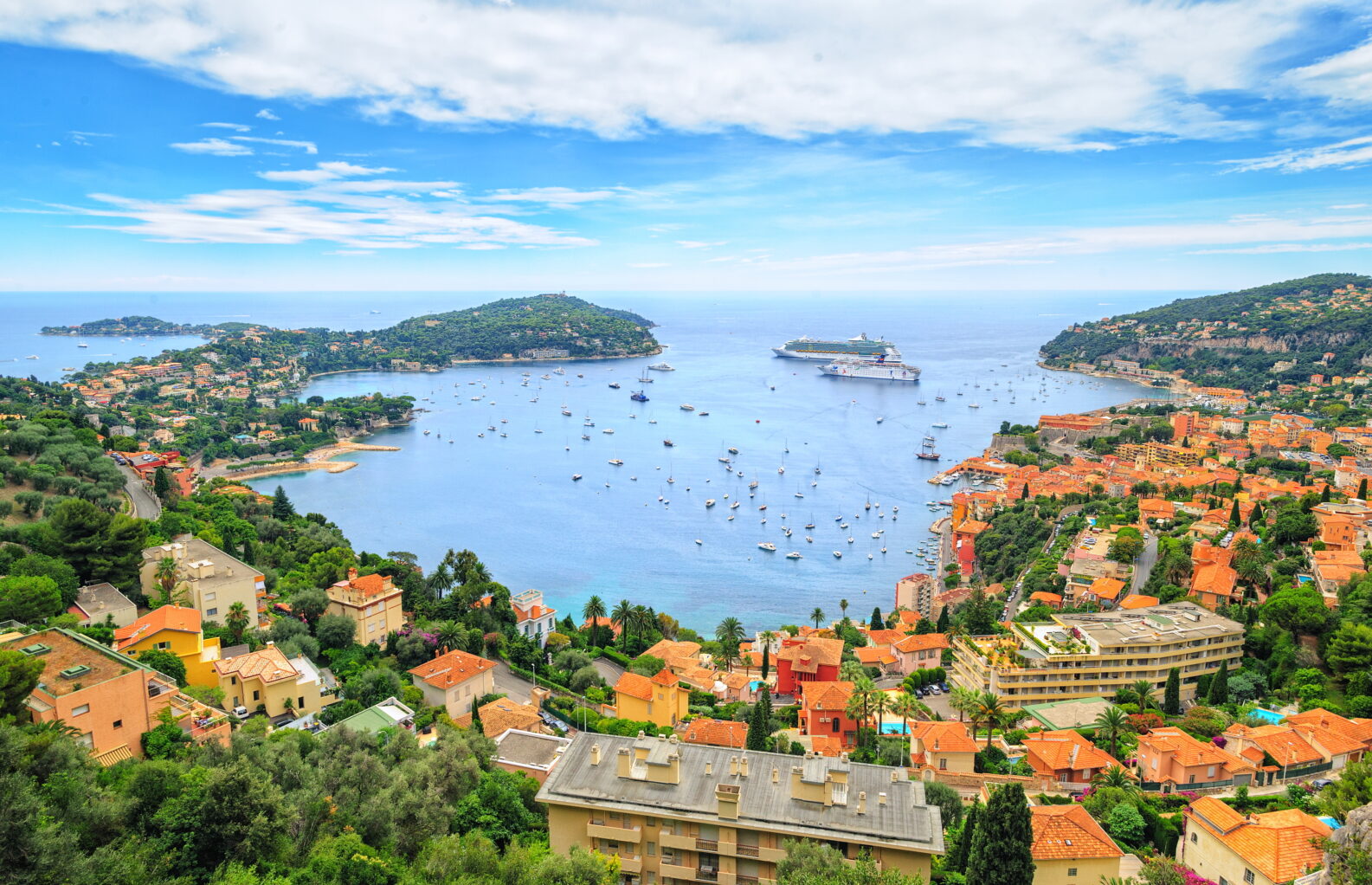
For cruise lines, this will cut into profits. For cruise passengers, this would likely lead to the price of a cruise creeping up.
The French government sees it as a way to bring in significant funds, estimating that it would raise 750 million euros per year, or about $1.3 billion in Australian dollars.
Within France, politicians are divided on the issue. Some believe the extra funding can be used for conservation purposes and also argue that cruise passengers don’t contribute enough to the local economy, as they only spend a few hours in each destination.
France’s Budget Minister, Amelie de Montchalin argues against this, saying that the tax will lead to job losses and damage the industry as French ports will be at a competitive disadvantage.
The Cruise Lines International Association also hit back against the new tax.
CLIA made the point that it already complies with local environmental sustainability initiatives and laws, and that cruise lines generate significant economic value for France.”
“Cruise lines share France’s commitment to protecting coastal environments and already comply with the EU Emissions Trading System (ETS), which places a direct and rising price on CO2.
“Cruise operations in Europe are therefore already contributing substantially to national and EU climate funds. Adding a €15 per passenger fee at every French port of call would layer a new charge on top of the ETS, effectively taxing the same emissions twice without a clear environmental benefit. Any new levy should be fair, evidence-based and consistent across vessel types, without confusing cruise ships with other types of vessels.
“Cruise visitors represent only a small share of maritime traffic, yet generate significant economic value for French destinations, which totals €7 billion to the country’s economy, including 39,000 jobs and €3.2 billion in GDP.”
There is an argument to be made that cruisers are scapegoated for overtourism issues in Europe, when in reality they only make up a small percentage of overall travellers. Taxing or placing caps on cruise visitors is logistically much easier than on land travellers and many European countries and cities have made moves in this direction.
Cruising in Europe definitely isn’t under a short-term threat, but over the coming years, fares could definitely spike and itineraries may be shuffled around, as certain ports create barriers to cruise.
Related Posts
-

Cruise line MSC Cruises has informed passengers that they will be charged the tax themselves at each Greek port that they visit.
-
Royal Caribbean is rolling out mega-ships every other year, Norwegian Cruise Line has just ordered its four biggest ships yet, from 2029 Carnival Cruise Line will begin rolling out its…
-
CLIA has put forward a lawsuit against the small Alaskan town of Skagway, which has a population of just 1212 people.
-
The small Alaskan town of Juneau is continuing to find better ways to manage the huge flow of cruise ship traffic that it sees each summer.