
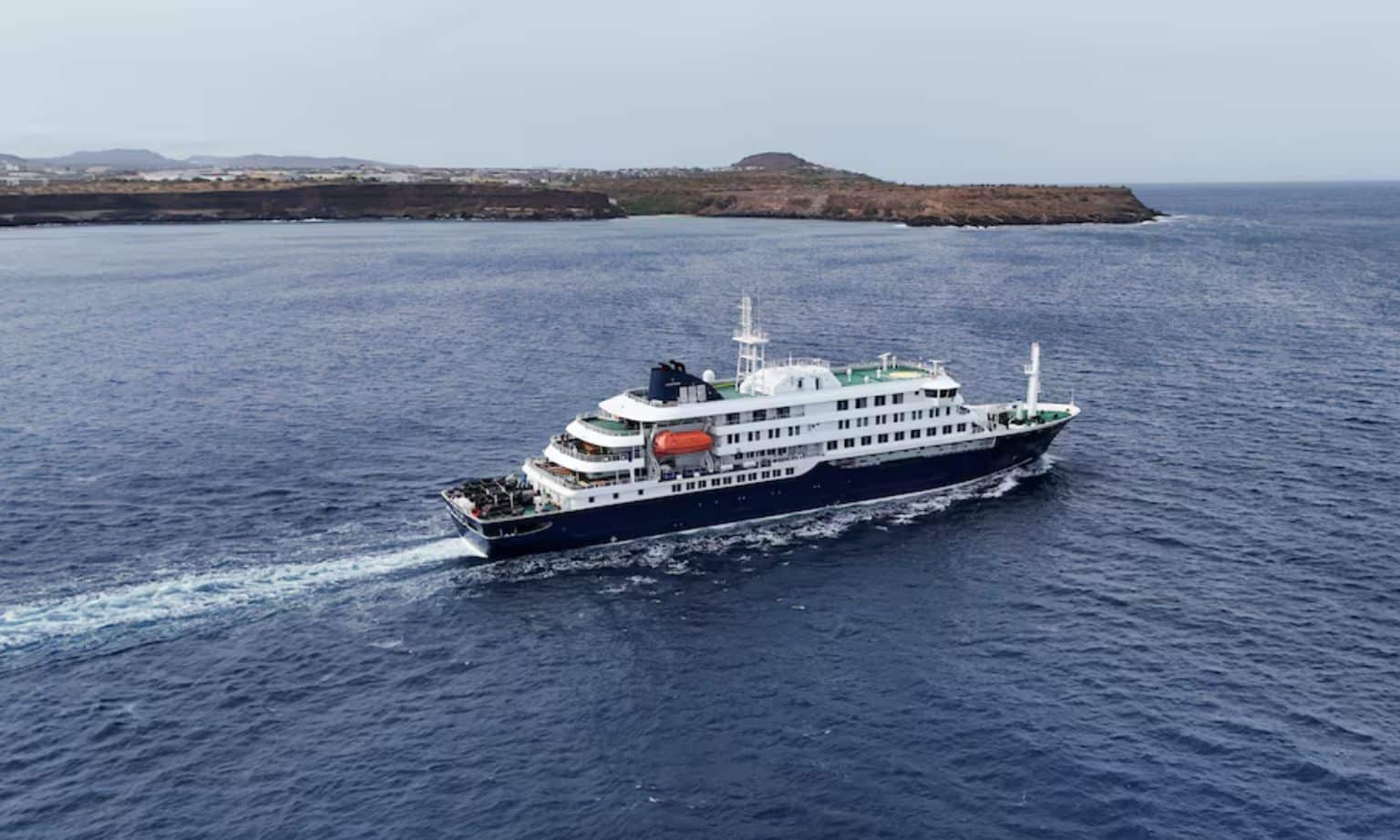
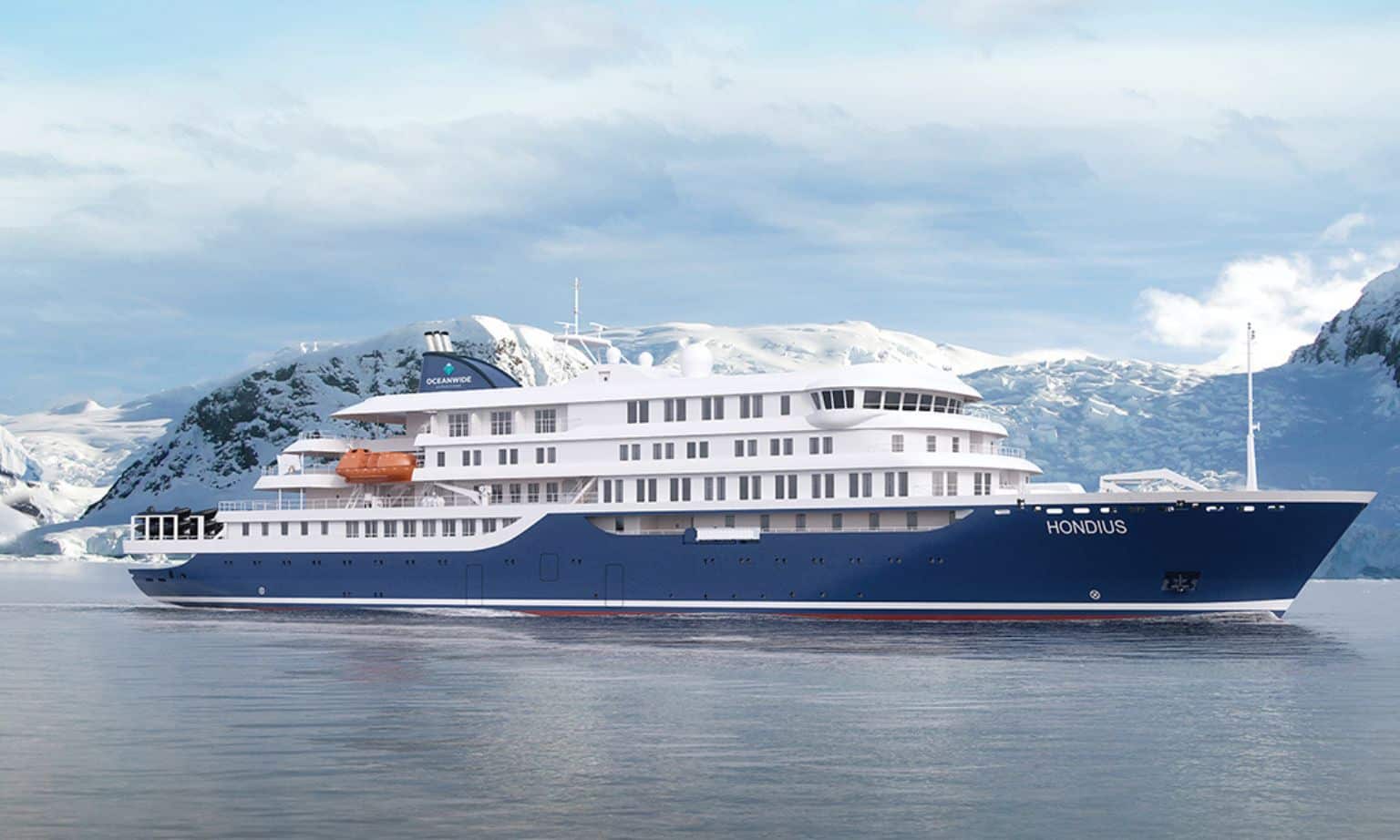
- Four Australians and a permanent resident, stuck on board the hantavirus ship MV Hondius have now been flown to Holland.
- A flight failed to arrive on time to take them home – and now the government is battling to find another plane.
- A total of eight cases and three deaths resulted from the outbreak.
A flight to repatriate four Australians and a permanent resident from the MV Hondius, the cruise ship which has made headlines around the world due to a deadly outbreak of hantavirus, failed to arrive in Spain.
Now the Aussies are stuck in the Netherlands awaiting another flight.
All the other passengers have been flown home for quarantine after the cruise ship has docked in Tenerife amid the tightest biosecurity operation since the Covid pandemic. Local people have already held protests over the arrival, claiming the Canary Islands are not equipped to deal with a virus like this.
The ship is anchored offshore, but finally forced by bad weather to dock.
Reports from Tenerife said none of the Australians is showing symptoms of the virus. However, the Australians were the very last passengers to leave the ship, having to wait until at least 5pm Monday local time, as they wait for the repatriation plane to arrive.
American passengers were flown to Nebraska, home to the National Quarantine Unit, as reported by CNN.
The Australians were to be flown home on an Australian government-supported charter flight to Perth.
Medical personnel were supposed to be on the flight and the passengers were to be placed in quarantine at medical facilities when they arrive. The passengers are from NSW and Queensland and their quarantine arrangements will be managed by the respective state governments.
Thirty crew members will stay onboard and travel to the Netherlands, but health authorities will fully disinfect the ship when it arrives in Spain.
Source of the disease
While most strains of hantavirus do not spread from human-to-human, health authorities have confirmed that passengers have one of the rare strains that does spread between people and therefore are taking extreme precautions to avoid the spread of the disease and performing large scale contact tracing operations.
The initial source of the virus isn’t yet confirmed, but authorities believe a Dutch couple could have contracted it while on a bird watching trip in Argentina.
The World Health Organisation is present in Tenerife to help with the safety process and protocols. They are advising countries to actively monitor the departing cruise passengers for at least 42-days since their last potential exposure to the virus.
Since the outbreak began, there have been eight confirmed cases of Hantavirus and three deaths. The Department of Foreign Affairs has not commented on whether any of the Australians have displayed any symptoms of the virus.
A spokesperson said: “We are considering options for the safe repatriation of the four Australians and [a] permanent resident. Our priority is the safety of the community.”
Another Australian on the cruise disembarked at an earlier date and is already back in Australia. A total of 33 passengers had already disembarked, one of who later tested positive for the virus and is currently hospitalised in Switzerland.
Dr Tedros Adhanom Ghebreyesus the Director General of the WHO made a rare statement due to local concern in Tenerife, as well as around the world.
This is NOT another Covid
“I know you are worried. I know that when you hear the word ‘outbreak’ and watch a ship sail toward your shores, memories surface that none of us have fully put to rest,” he said. “The pain of 2020 is still real, and I do not dismiss it for a single moment.
“But I need you to hear me clearly: this is not another COVID. The current public health risk from hantavirus remains low. My colleagues and I have said this unequivocally, and I will say it again to you now.
“The virus aboard the MV Hondius is the Andes strain of hantavirus. It is serious. Three people have lost their lives, and our hearts go out to their families. The risk to you, living your daily life in Tenerife, is low. This is the WHO’s assessment, and we do not make it lightly.”
The director also confirmed that are currently no symptomatic passengers onboard and explained the disembarking process: “Right now, there are no symptomatic passengers on board. A WHO expert is on that ship. Medical supplies are in place.
“Spain’s authorities have prepared a careful, step-by-step plan: passengers will be ferried ashore at the industrial port of Granadilla, far from residential areas, in sealed, guarded vehicles, through a completely cordoned-off corridor, and repatriated directly to their home countries. You will not encounter them. Your families will not encounter them.”
How safe is cruising? See our special report here.

Related Posts
-

Cruise ships of course have a reputation for being a place where diseases are known to spread, however, in reality the facts don't suggest that cruising is dangerous.
-
It appears many will be heading to Singapore, where Disney Adventure will homeport year round.
-
It will be the biggest vessel in the Oceania Cruises fleet with the capacity for 1460 passengers.
-
Aurora Expeditions’ Douglas Mawson ship has been recognised on the Time World’s Greatest Places 2026 list.