
- Australia’s cruise and tourism industry is investing in port-level workshops from WA to NSW.
- The workshops teach local businesses how to turn a ship visit into a shore excursion sale, and keep passengers coming back for more.
- With Australia fighting to keep cruise lines coming Down Under, the stakes for ports to get it right has never been higher.
Over the past few months, a series of workshops have taken place up and down the coast of Western Australia, aimed at local tourism operators and hospitality businesses within reach of Australia’s cruise ports along the vast coastline.
The goal of the information sessions is to explain cruise operations to those unfamiliar with them and to share how businesses and the community as whole can benefit when a ship docks at their port.
From Busselton to Broome, each workshop covers everything from understanding what cruise lines look for in a port stop, to the mechanics of getting a tour or experience listed as a bookable shore excursion on board.
These workshops, which happen around the country, are not new. But the stakes for them being successful are getting higher. While the Aussie love affair with cruising continues, fewer ships are visiting each year and cruises are getting shorter.
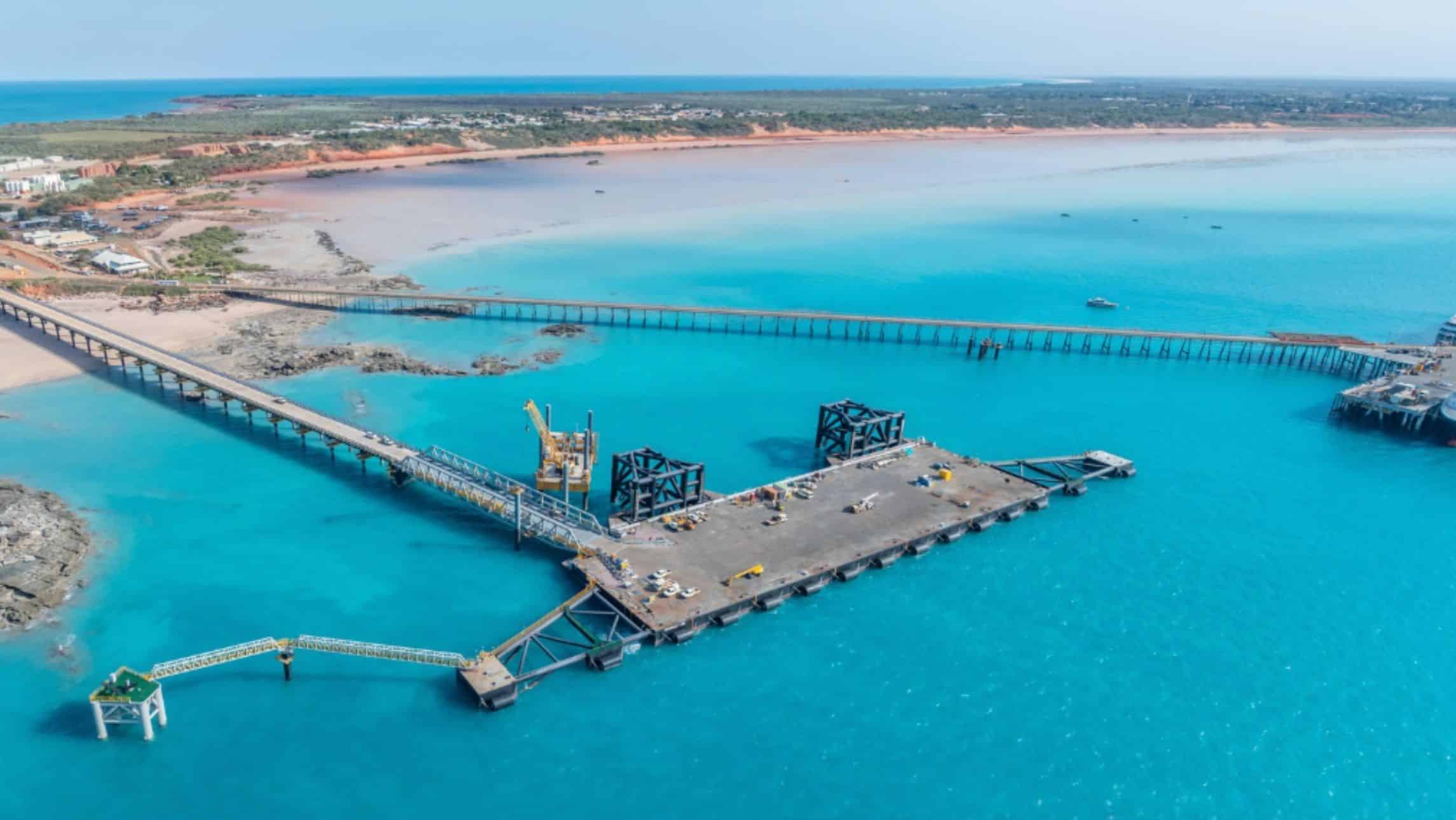
Cruise Lines International Association says Australia is struggling to attract ships to our own waters because of regulatory uncertainties and rising costs, making the country uncompetitive as a destination and losing tourism to other countries.
Cruise Passenger was first to report the capacity drop – and has b een campaigning to get the federal government to take notice.
Shore excursions are an integral part of the cruise industry’s profits, ranking as one of the top onboard money makers, up there with beverage packages, specialty dining and casinos.
Joanne Brown, Business Development Manager at Intercruises who has facilitated several of the workshops which are led by Tourism Western Australia, says while there are many factors driving cruise lines’ decisions on where to homeport or deploy their cruise ships, a port must deliver strong passenger appeal and excursion profitably to stand a chance.
“At the end of the day, people take cruises not just for the ships but for the destinations,” says Joanne Brown, Business Development Manager at Intercruises who has facilitated several of the workshops which are led by Tourism Western Australia.
“Having port density and ports that are warm and welcoming is paramount. You can go to a port where you don’t feel welcome. And then you can go to a port like Albany, where year after year the feedback is that the volunteers are there, the businesses have their arms open, and it’s a warm and welcoming place.”
For tourism operators and the communities surrounding the ports, there’s massive economic advantages in attracting more cruise ships and their cashed-up passengers.
According to the latest figures from the Australian Cruise Association (ACA), in 2024/25 season shore-side spend reached $1.8 billion across over 50 different ports nationwide. Nearly 40 per cent of this comes from international visitors. That means cruise passengers spend an average $440 a day while on shore, and crews do their bit too, spending on average $134 per person per day. And while cruise ships visited more ports than previous years, the shore-side spend is down from the $1.9 billion spent in 2023-24.
In May 2026, Cruise Eden released results for how the picturesque town of Eden, on NSW’s Sapphire Coast, had fared during the 2025/26 season. It hosted 29 cruise ships (down from 41 in 2023/24) and converted that into $14.3 million in regional economic value, a hit of almost $5 million from the 2023/24 season. In 2026/27 Eden is expected to welcome 27 ships including Celebrity Solstice and Grand Princess.
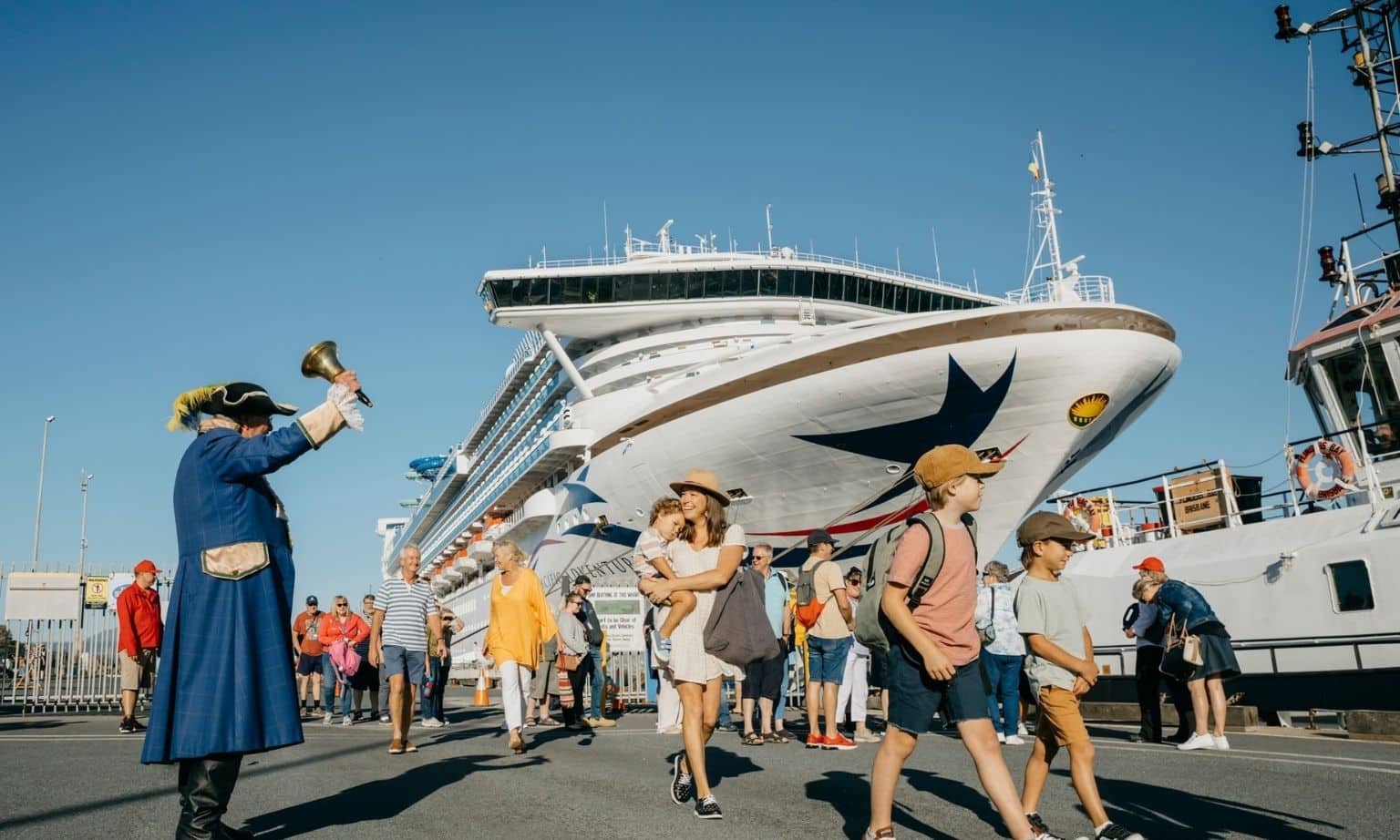
But crucially, 85 per cent of passengers came ashore this past season and 10,449 of them joined organised shore excursions across 329 tours.
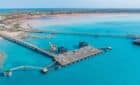
Western Australia has several ports writing a similar story. Albany is currently undergoing port upgrades and receives consistent passenger warmth feedback. Geraldton, which was on the verge of its biggest cruise season ever before 12 ships had to cancel due to regulatory changes, is fighting to get back onto major itineraries. Esperance, with its brilliant blue waters and pink lake, is beginning to attract attention – Norwegian Cruise Line will make its first visit in the 2027/28 season.
The ambitious target set out in the Western Australian Cruise Tourism Strategic Plan 2023-2033, which is backed by $35.5 million state government investiment, is to see the sector’s economic output go from $273 million in 2023/24 to as much as $620 million by 2033.
And what happens at port level will be crucial to achieving that goal. The plan specifically commits to delivering cruise-ready workshops alongside volunteer and guide training programs. For cruise lines,
The workshops may largely go unnoticed beyond the regions in which they’re held but the impact is felt by passengers on port call days and hopefully by the Australian cruise industry in future years with more ships returning and committing to visiting Australia.
“If you have good product and have a good welcome it makes the decision for them to call into that port a lot easier,” Brown says.

Related Posts
-

Cruise lines are disappointed at the Treasurer Jim Chalmers' budget increase of the Passenger Movement Charge. CLIA points out the it won't help Australia's attempts to persuade cruise lines to…
-
Until now, Broome has been a tide-dependent port, due to its unusually large tidal ranges, where low tide and high tide can change water depth by up to 10 metres
-
While it’s no big secret that cruise lines have been boosting their inventories in the Caribbean, as well as sailing more itineraries out of California, another region where cruise lines…
-
Last week, Discovery Princess, who is close to wrapping up her first and only Australian season, celebrated her fourth birthday.