
- The world’s biggest cruise conference Seatrade Cruise Global opens next week in Miami.
- CLIA and the New Zealand Cruise Association will be leading the push for more ships to our region.
- But while New Zealand government officials will be present, it is unclear who from Australia will be backing the push.
A critical week for the future of cruising in Australia and New Zealand will unfold in Miami next week at Seatrade Cruise Global, the world’s most influential cruise conference, as regional industry leaders join global decision-makers.
With deployment into Australasia continuing to slide, the stakes are high as both countries try and convince global cruise leaders to send more ships to the region.
Delegations from across the region will be out in force, led by Cruise Lines International Association (CLIA) Australasia, the Australian Cruise Association (ACA), and a notably strong New Zealand contingent.
But amid growing concern about the region’s declining competitiveness, questions remain over whether the Australian government will even have a seat at the table.
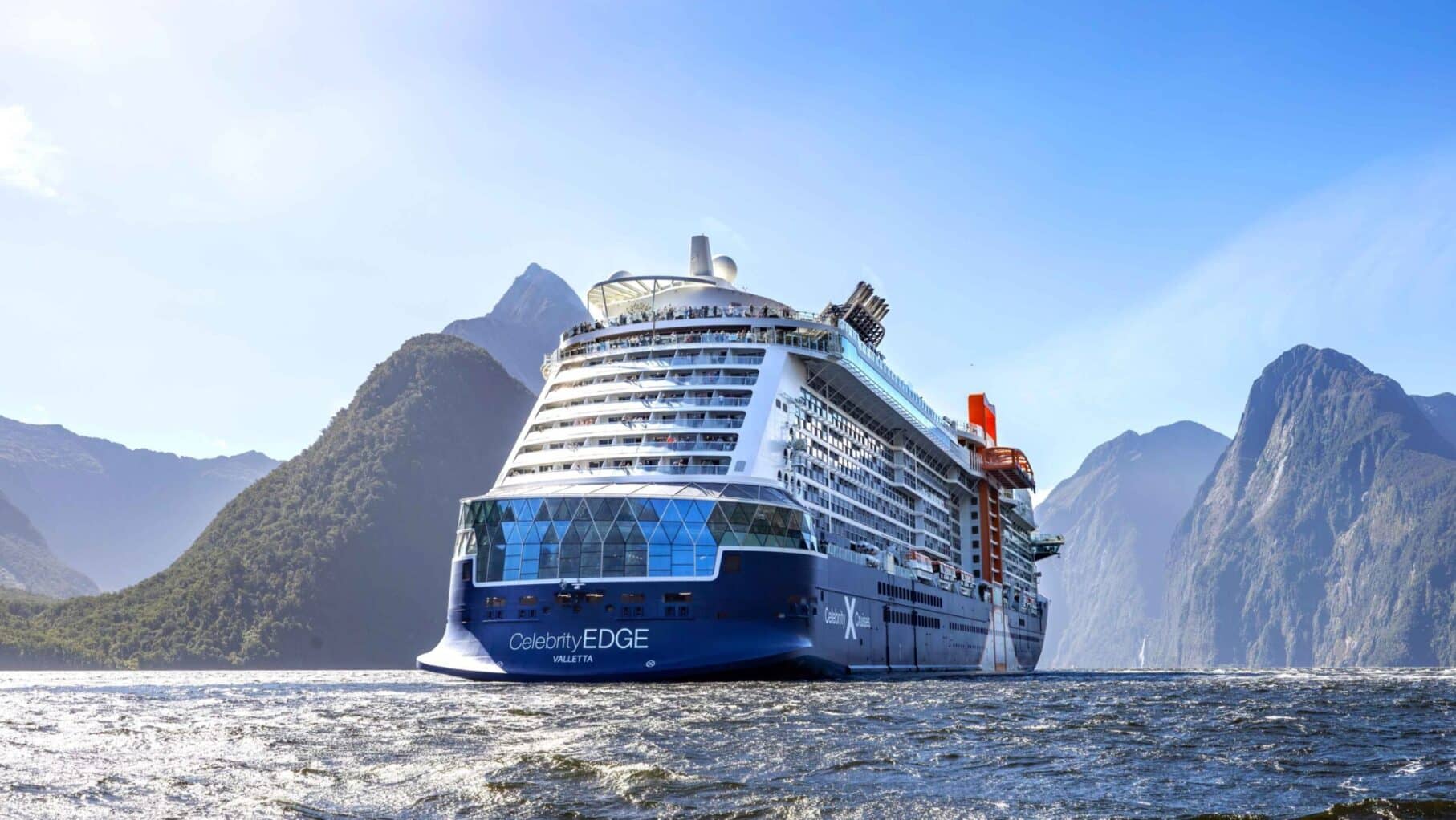
Australia and NZ have fewer ships and capacity
The gathering comes against a troubling backdrop. Cruise capacity across Australia and New Zealand has fallen by over 30 per cent from post-pandemic highs, with cruise lines increasingly redirecting ships to more profitable and less complex regions.
While global cruise demand continues to surge, Australasia has struggled to maintain its share.
New Zealand alone has seen a contraction of more than 40 per cent from peak levels, according to the New Zealand Cruise Association (NZCA), underscoring a broader regional challenge.
Industry leaders are clear: this is not a demand problem.
“Cruise guests continue to rate New Zealand among the best destinations in the world,” NZCA Chair Tansy Tompkins said ahead of Seatrade. “The challenge lies in deployment decisions and right now, New Zealand remains hard for cruise lines to justify.”
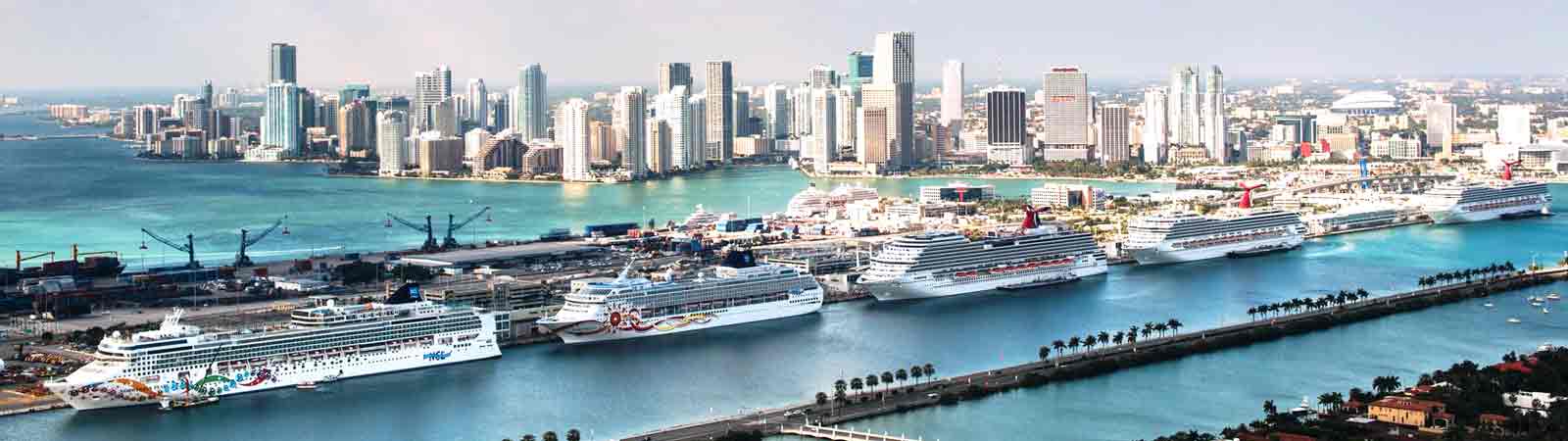
Miami is the battleground
All eyes now turn to Miami next Monday to Thursday, where cruise line executives will make the decisions that shape global deployment for years ahead.
CLIA Australasia Managing Director Joel Katz will be at the centre of those discussions, leading a panel titled “Lessons from Australasia – What mature and emerging markets can learn about attracting and sustaining cruise deployment”, a session focused on the region’s dramatic rise and recent setbacks.
Katz acknowledged the region’s growing challenges, pointing to “regulatory complexities and rising costs” as key factors inhibiting growth.
“Australasia offers a valuable case study for other destinations,” he said in a recent column for trade site Cruise Weekly. “We’ve experienced both enormous growth and frustrating hurdles.”
He stressed that CLIA’s advocacy efforts are now firmly focused on addressing those barriers.
“With strong local demand and extraordinary destinations, Australasia has a chance to thrive if we can unite governments around a positive environment for cruise tourism,” Katz says.
New Zealand’s unified front
In contrast to Australia, New Zealand is arriving in Miami with a clear, coordinated strategy.
A delegation of 19 organisations, including ports, tourism bodies, industry stakeholders and government representatives, will attend Seatrade, presenting what NZCA describes as a “powerful show of alignment.”
New Zealand is openly acknowledging its challenges, including high operating costs, regulatory uncertainty, and fragile industry confidence. But it is also signalling a willingness to work collaboratively with cruise lines to address them.
“We must shift from treating cruise as a given to earning its place as a destination of choice,” Tompkins said.
The country is advocating for improved cost competitiveness, clearer regulatory frameworks, and greater certainty around biosecurity and operational requirements, all issues that have weighed heavily on deployment decisions.
Importantly, cruise has now been recognised within New Zealand’s Tourism Growth Roadmap, and a dedicated Cruise Forum has been established, signs of growing government engagement.
Australian government’s silence raises concerns
Across the Tasman, the picture is far less clear. A recent Australian paper on tourism policy failed to mention cruise at all.
Despite mounting industry concern, it remains uncertain who, if anyone, from the Australian government will be among the 30-odd-strong contingent from Australia joining New Zealand’s delegation going to Seatrade.
CLIA told Cruise Passenger it could not say if any confirmed federal presence would be in Miami, while the Australian Cruise Association did not respond to multiple requests for comment.
The apparent absence comes after months of criticism that Australia has failed to engage meaningfully in the debate over declining cruise capacity.
Unlike New Zealand’s whole-of-government approach — widely praised within the global cruise community — Australia has yet to present a coordinated strategy to address rising costs, regulatory inconsistencies, and operational hurdles.
Industry insiders warn that this lack of visibility on the global stage risks further eroding Australia’s standing with cruise lines at a time when deployment decisions are becoming increasingly competitive.
Region at a tipping point
Both Australia and New Zealand now face an important moment.
Cruise lines typically plan deployments 18–24 months in advance, meaning the conversations taking place in Miami this week will directly influence the 2027/28 season and beyond.
Failing to secure renewed interest could have long-term consequences.
“If we do not begin to see recovery… we risk losing the capability, investment, and infrastructure that underpin cruise,” Tompkins warned.
For Australasia, the message is becoming increasingly urgent: without decisive action, the region risks being left behind.
As global cruise leaders gather in Miami, the question is no longer whether Australasia can compete — but whether it is willing to do what it takes to remain in the game.
Related Posts
-

Until now, Broome has been a tide-dependent port, due to its unusually large tidal ranges, where low tide and high tide can change water depth by up to 10 metres
-
It's Cruise Month - four weeks of celebration where cruise lines unveil their best offers and travel agents inspire their clients. But local cruise is suffering and Canberra isn't listening.
-
While it’s no big secret that cruise lines have been boosting their inventories in the Caribbean, as well as sailing more itineraries out of California, another region where cruise lines…
-
While Western Australia was celebrating the success of its 2023/24 cruise season, where 290 cruise ship visits were recorded and more than $385 million was injected into the economy, there…




More cruises from melbourne