

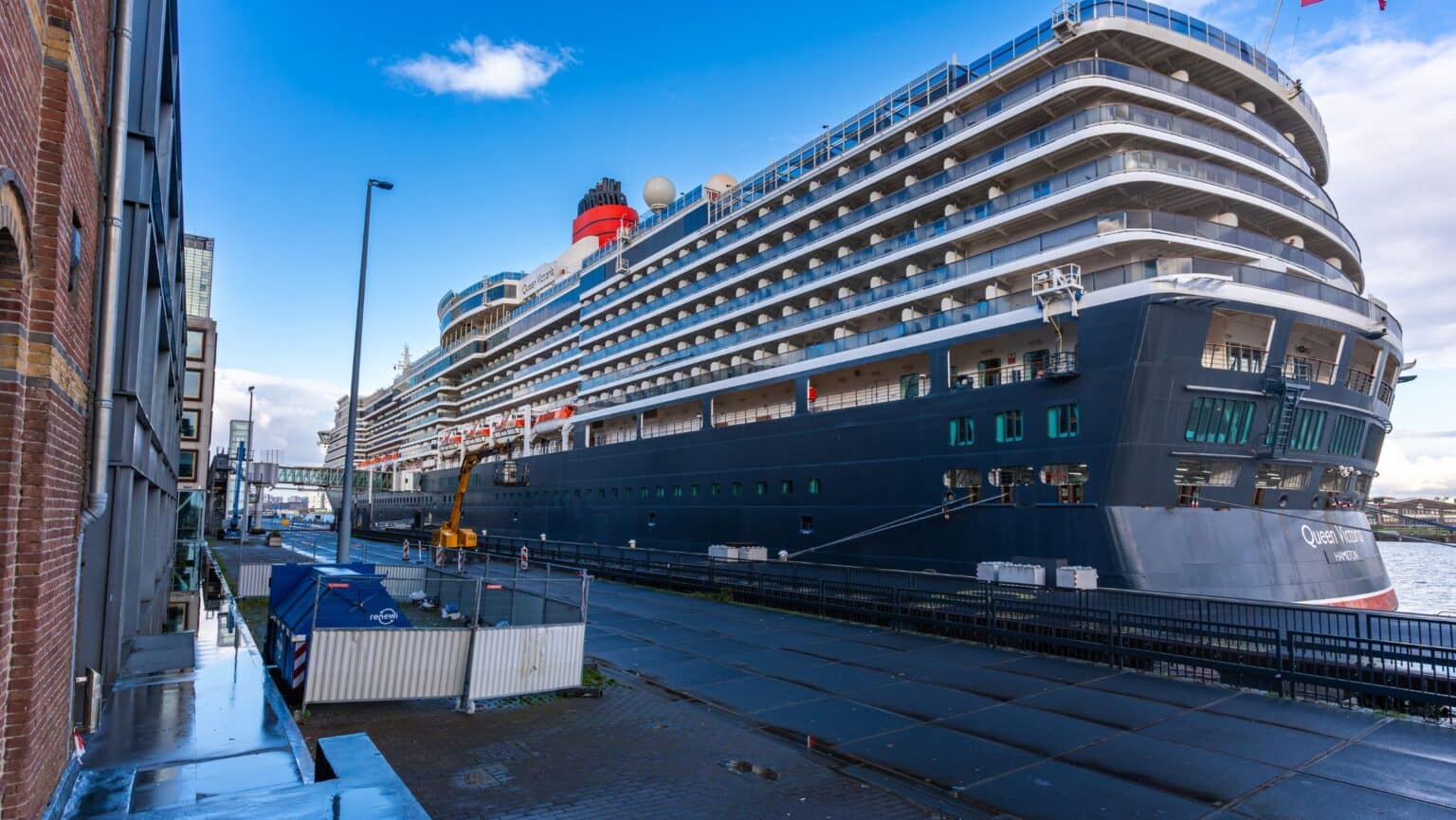
- Amsterdam could ban almost all cruise ships – ocean and river – as soon as 2035.
- Politicians state environmental and financial concerns as the reasons.
- Cruise passengers account for about two per cent of visitors to Amsterdam.
Amsterdam has been toying with the idea of severely limiting cruise ships and has introduced various measures to try and limit cruise traffic. However, the city wants to eliminate all ocean cruise ships and limit river ships in less than 10 years.
The city is now proposing to end all cruising from ocean-going ships by 2035, and limiting river cruise as well.
Local politicians and activists say that large cruise ships cause too much pollution, emitting too much CO2 and nitrogen.
Deputy mayor adlerman Hester Van Buren said: “Relocating the sea cruise terminal requires a substantial investment of 85 million euros and entails financial uncertainties. As a municipal executive, we consider this undesirable.
“Moreover, we prioritise sustainability and liveability. All of this means that we will be better exploring the option of ending sea cruises in Amsterdam by 2035 in the coming months, so that the new municipal executive can make a decision.”
It appears this decision would override the previous plan of moving ocean cruises to another port further out of Amsterdam.
The office of the deputy mayor said in a statement: “Aside from the financial uncertainties of relocation, a complete departure offers clear advantages for sustainability and the environment.”
The office added that removing cruise “will reduce the pressure of over tourism on the city”.
Cruise passengers only account for about two per cent of overall visitors to Amsterdam, and cruise ships will already have to comply with new EU regulations moving forward that limit the environmental impact of cruise ships, such as making the use of shore power and low-sulphur fuels.
As far as river cruising goes, Amsterdam still has plans to halve the amount of river cruising calls in the city. This is extremely significant as many river cruises start or end in Amsterdam, making it a pivotal port for river cruise in Europe.
In 2023 Amsterdam saw 2125 river cruise calls and the industry continues to grow rapidly. However, Amsterdam is planning on slashing this to only 1150 calls per year by 2028. If this plan goes ahead this will completely shake up the river cruise industry and itineraries will start looking very different.
Ocean cruising in particular has emerged as a target to governments and municipalities around Europe as locals ask their politicians to curb over-tourism. The nature of cruising makes it not only a easier target to point the finger at, but it’s also much easier to make laws that prevent cruise visitors than other types of visitors, which are harder to monitor due to the free moving nature of European travel.
Cruise lines and the wider industry will face many challenges over the coming years in convincing European cities of their worth. Limiting environmental impact will be a key factor in this process, as will demonstrating the economic impact of cruise and finding ways to work with local tourism operators and suppliers to increase and sustain this impact.
Amsterdam is far from an isolated case, with ports across France, Spain, Greece, Croatia, Iceland, Norway and more all in the stages of enacting new laws and regulations that restrict cruise to some extent.
While the cruise industry will of course fight back, it will also likely have to accept the need to adapt and plan for a fast-changing cruise climate in Europe. While in the USA the cruise lines often have constitutional laws on their side that make it difficult to target cruise ships with laws, this luxury doesn’t exist in Europe, and cities like Amsterdam making firmer commitments against cruise will likely lead to other cities following suite.
New megaships generally seem to head straight to the Caribbean and stay there, where cruises have their private island destinations where they don’t have to worry about new regulations or local pushback. It seems clear that many cruise lines are already planning for a future where European ocean cruising looks very different.
Related Posts
-

The saga of Nice and Villefranche in France attempting to ban cruise ships has taken yet another turn.
-
The protest was staged by protest group The Extinction Rebellion, and around 30 protesters took to kayaks, smaller boats and inflatables to crowd the dock and prevent the large ship…
-
Amsterdam is currently ruling upon a series of proposals for its cruise industry, which includes moving the cruise terminal out of the city centre, and a total ban on cruise…
-
The new cruise regulations for the French town of Nice will still be going ahead but with major concessions for the cruise industry.



I personally prefer much smaller ships. The smaller Sun Princess was a much better ship to be on. I think the bigger ships are overstated & way too busy. Bring back the smaller less populated ships.