

- Cruise insurance is essential for domestic and international trips.
- Choice Magazine has listed the best insurers for cruise travel.
- Top 10 things to consider before choosing your insurance.
With Australians continuing to embrace cruising in record numbers, choosing the right travel insurance has never been more important. While travellers spend months comparing ships, cabins and shore excursions, insurance is often left until the final stages of planning. That’s a mistake that can prove costly.
Cruises present unique risks that don’t exist on a typical land-based holiday. Medical treatment may take place hundreds of kilometres from shore, flights can be delayed causing passengers to miss embarkation, illnesses can leave travellers confined to their cabins, and severe weather can disrupt carefully planned itineraries.
The good news is that a little research can go a long way. Recent analysis by consumer advocacy group CHOICE examined 29 international travel insurance policies commonly used by Australian travellers and found significant differences in both price and coverage. Some insurers stood out for affordability, while others offered stronger protection for cruise-specific situations.
Before purchasing cover for your next voyage, here are 10 factors every cruiser should consider.
1. Make Sure Cruising Is Actually Covered
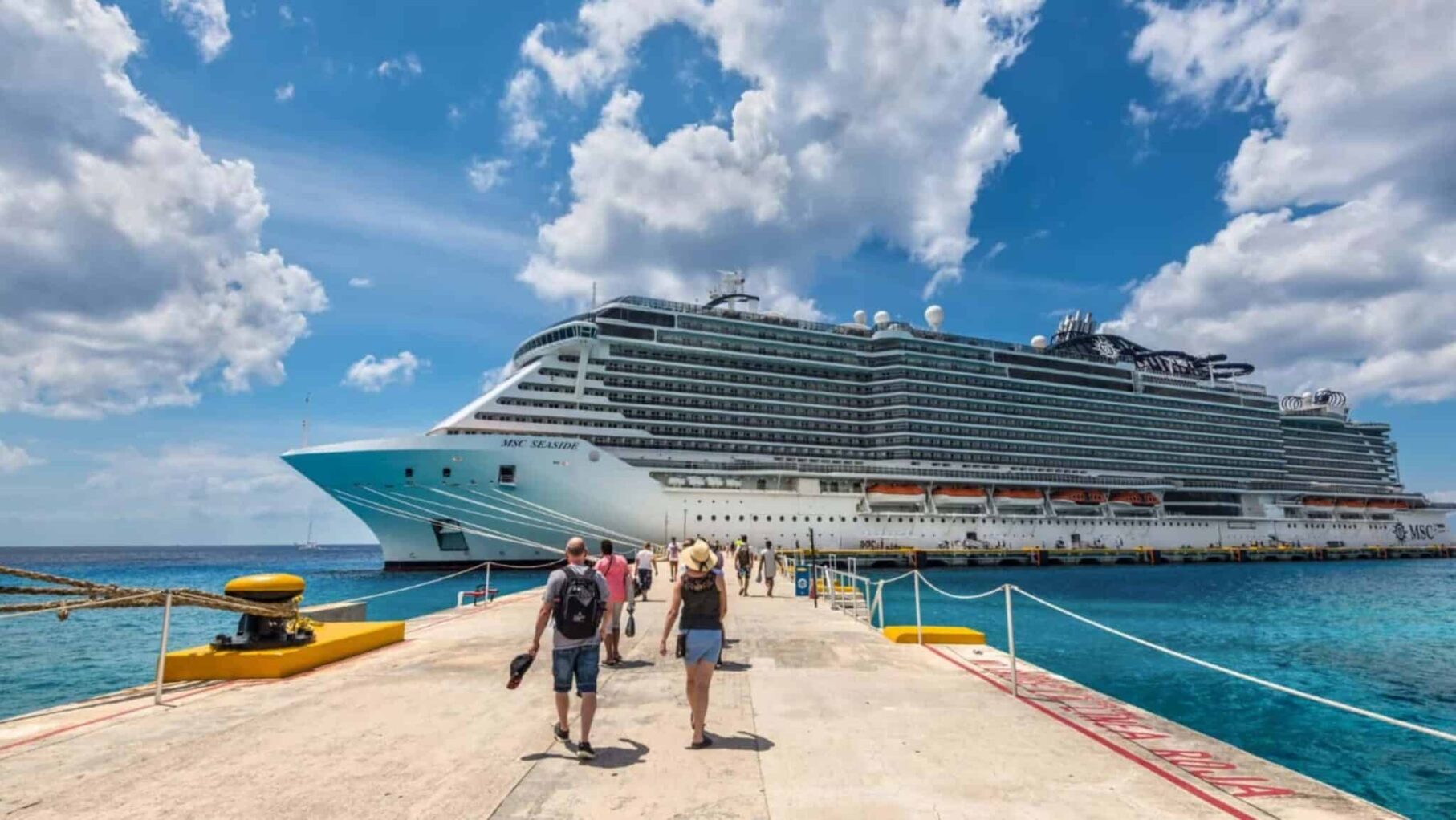
One of the biggest misconceptions among travellers is that all travel insurance automatically covers cruises.
In reality, many insurers require cruise cover to be purchased as an optional add-on. Without it, you may not be covered for incidents that occur while onboard the ship, even if you’re fully insured for the rest of your trip.
For example, a traveller taking a two-week holiday through Europe may be covered under a standard international travel policy. But if that same traveller boards a Mediterranean cruise without cruise cover, claims relating to medical treatment at sea, missed departures or cruise interruptions may not be covered.
According to CHOICE, only a small number of insurers automatically include cruise cover within certain policies, including NIB Essentials, Travel Insurance Direct Basics, World Nomads Standard and Jetstar Travel Insurance. Most other insurers require travellers to pay an additional premium for cruise-specific protection.
Before comparing prices, make sure you’re comparing policies that actually cover the type of holiday you’re taking.
2. Don’t Choose a Policy Based on Price Alone
It’s tempting to compare travel insurance policies the same way many travellers compare airfares: by looking at the lowest number on the screen.
But when it comes to cruise insurance, the cheapest option isn’t always the best value.
CHOICE‘s latest analysis found that Zoom Comprehensive was, on average, the cheapest cruise insurance policy across most international destinations examined, including Europe, Asia, the South Pacific, the UK and North America. For New Zealand cruises, Virgin Australia Travel Safe Plus International emerged as the lowest-cost option.
Other policies that regularly appeared among the more affordable choices included Allianz Comprehensive, Travel Insurance Direct Basics, World Nomads Standard, NIB Essentials and Worldcare Comprehensive.
Those findings provide a useful starting point, particularly for budget-conscious travellers. However, CHOICE also noted that lower premiums can sometimes reflect differences in coverage. For example, Zoom Comprehensive excludes pandemic cover for events other than COVID-19, which may be a consideration for some travellers.
The smartest approach is to create a shortlist of policies within your budget and compare what each one actually covers rather than focusing solely on price.
3. Prioritise Medical and Emergency Evacuation Cover
If there’s one area where travellers shouldn’t cut corners, it’s medical protection.
Cruise ships have medical facilities onboard, but treatment can be expensive. A consultation with the ship’s doctor may cost considerably more than a visit to your local GP, while more serious incidents can result in treatment in foreign hospitals or emergency evacuation from the vessel.
Imagine suffering a heart attack while cruising through Alaska’s Inside Passage or breaking a hip on an expedition voyage around Iceland. In remote destinations, a helicopter evacuation alone can cost tens of thousands of dollars.
This is one reason CHOICE places significant emphasis on cover quality when assessing policies. Its overall rankings are weighted 60 per cent towards cover and 40 per cent towards price, recognising that strong protection often delivers greater value than a lower premium.
Travellers booking remote itineraries such as Antarctica, Greenland, Alaska, the Arctic or even some South Pacific voyages should pay particular attention to emergency evacuation, medical expense and repatriation benefits.
They may not be the most exciting features of a policy, but they are often the most important.
4. Don’t Assume Domestic Cruises Are Covered
Many Australians are surprised to learn that Medicare may not cover medical treatment received onboard a cruise ship, even if the vessel never leaves Australian waters.
Doctors working onboard cruise ships may not be Medicare providers, meaning passengers could be responsible for the cost of consultations, treatment and medication received at sea.
Adding to the confusion, standard domestic travel insurance policies often exclude cruise-related medical expenses altogether.
This creates a significant gap in protection for travellers taking cruises between Sydney, Brisbane, Tasmania or Western Australia.
If you’re planning a domestic cruise, confirm that your policy specifically covers cruising and medical treatment received onboard. It’s a small detail that could make a significant difference if you become ill while at sea.
5. Declare Every Pre-Existing Medical Condition
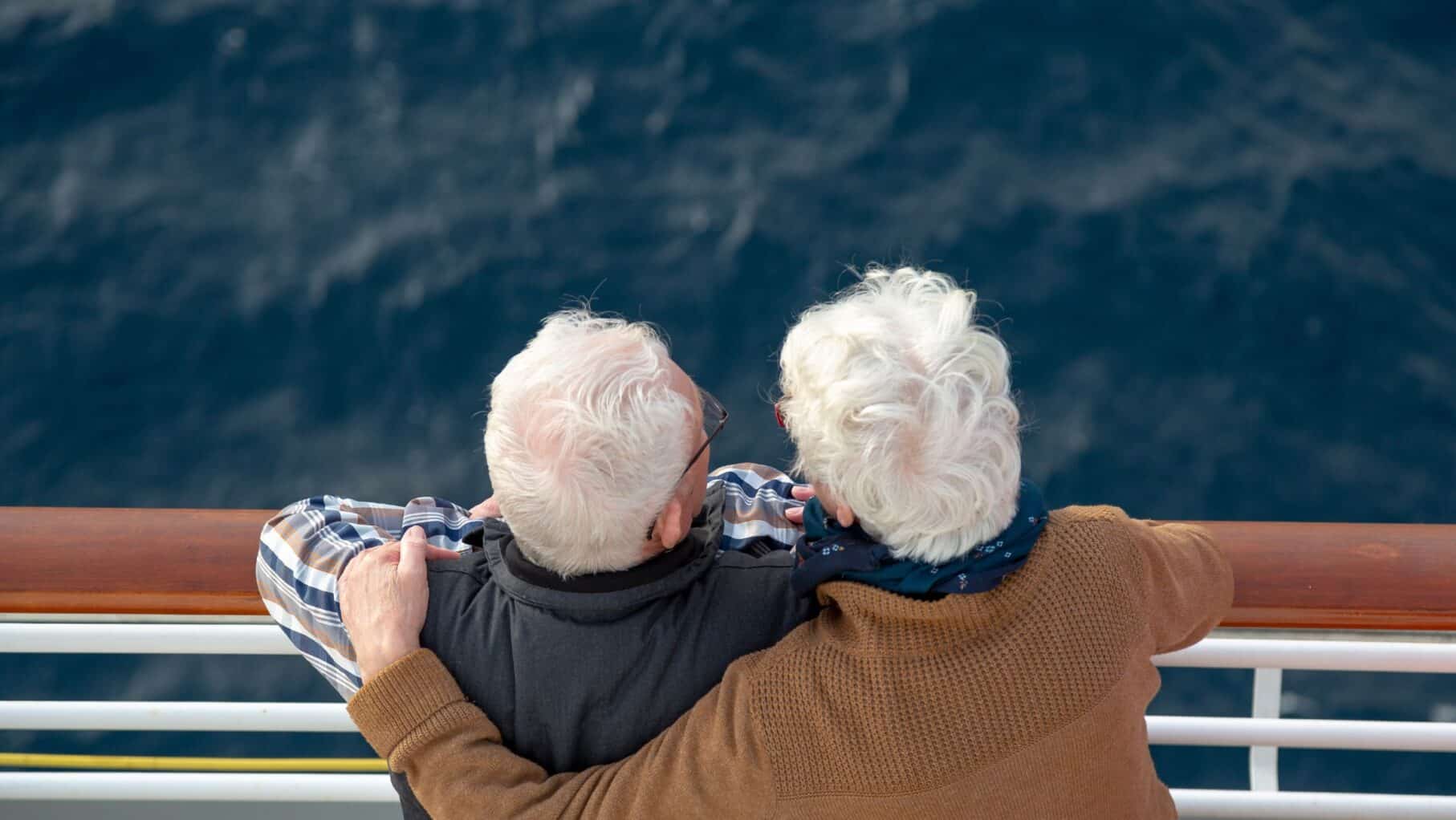
Cruising remains particularly popular among retirees and mature travellers, making pre-existing medical conditions one of the most important considerations when choosing insurance.
Conditions such as diabetes, asthma, sleep apnoea, heart disease, high blood pressure and certain cancers may all be considered pre-existing medical conditions by insurers.
Many travellers worry that declaring a condition will dramatically increase their premium. In reality, many insurers will still offer cover after assessing the condition, and some may provide cover without any additional cost.
The greater risk is failing to disclose a condition altogether.
If an undisclosed medical condition contributes to a claim, the insurer may refuse to pay, leaving travellers responsible for potentially substantial medical expenses.
When completing an application, honesty is always the safest policy.
6. Buy Your Insurance Early
One of the biggest mistakes cruisers make is waiting until final payment to purchase insurance.
Unlike many holidays, cruises are often booked 12 to 24 months before departure. That lengthy lead time creates additional risks.
What happens if you suffer an injury six months before departure? What if a close family member becomes seriously ill? What if circumstances change and you’re forced to cancel?
Cancellation cover generally begins from the date you purchase the policy, not from the date your cruise departs.
Imagine booking a $15,000 European river cruise or a $30,000 world cruise and then facing an unexpected medical issue months before departure. Without insurance in place, you may have little protection against cancellation costs.
For this reason, many travel advisers recommend purchasing insurance soon after paying your deposit rather than waiting until closer to departure.
7. Compare Cruise-Specific Benefits
One of the biggest differences between travel insurance policies is the level of cruise-specific protection they provide.
Some policies include benefits designed specifically for life at sea, such as cover for missed departures, missed ports, itinerary changes, cabin confinement due to illness and unused shore excursions.
For example, imagine contracting influenza halfway through a 14-night cruise and being ordered by the ship’s doctor to remain isolated in your cabin for four days. Some policies provide compensation for cabin confinement, while others offer no benefit at all.
Similarly, severe weather may force a ship to skip scheduled ports or alter its itinerary. Depending on the policy, travellers may be entitled to compensation or additional assistance.
Travellers comparing policies such as Allianz Comprehensive, Travel Insurance Direct Basics, World Nomads Standard, NIB Essentials and Worldcare Comprehensive should look carefully at these cruise-specific inclusions. Two policies may appear similar on price but differ significantly in what they offer once you’re onboard.
8. Check Cancellation Cover Limits Carefully
Cancellation cover can be one of the most valuable components of a cruise insurance policy.
Cruise holidays often involve significant upfront costs paid many months in advance. Luxury river cruises, expedition voyages and world cruises can easily cost tens of thousands of dollars per person.
Before purchasing a policy, check the maximum cancellation benefit and understand the circumstances under which cancellation is covered.
A traveller spending $5,000 on a short New Zealand sailing will likely have different priorities from someone investing $40,000 in a once-in-a-lifetime world cruise.
For many travellers, protecting their financial investment before they even step onboard can be more important than luggage cover or other secondary benefits.
9. Understand What’s Not Covered

The inclusions are important, but the exclusions can be just as critical.
Many travellers only discover what isn’t covered when they need to make a claim, which is often too late.
For example, most insurers exclude claims arising from excessive alcohol consumption. In one Australian Financial Complaints Authority case, a passenger suffered serious injuries after falling down a staircase onboard a cruise ship. Because the traveller had a very high blood alcohol reading, the insurer denied the claim and the decision was upheld.
Similarly, some adventure activities, motorbike riding, high-risk shore excursions and certain sporting activities may not be covered automatically.
Reading the exclusions section may not be exciting holiday preparation, but it can prevent expensive surprises later.
10. Match the Policy to Your Itinerary

There is no such thing as a one-size-fits-all cruise insurance policy.
The right cover for a seven-night New Zealand cruise is unlikely to be the best choice for an Antarctic expedition, a luxury European river cruise or a 120-day world voyage.
CHOICE’s analysis found that Virgin Australia Travel Safe Plus International was among the most competitively priced options for New Zealand cruises, while Zoom Comprehensive frequently delivered the lowest premiums across multiple international regions.
Meanwhile, Allianz Comprehensive, Travel Insurance Direct Basics, World Nomads Standard, NIB Essentials and Worldcare Comprehensive regularly appeared among the strongest low-cost options for international cruise travellers.
But the best policy ultimately depends on your priorities.
A retired couple embarking on a world cruise may prioritise medical cover, cancellation benefits and pre-existing medical condition assessments. A family taking a short South Pacific cruise may focus on affordability and cancellation protection. An adventure traveller heading to Antarctica may place the greatest value on evacuation and emergency medical benefits.
The smartest travellers don’t ask, “What’s the cheapest policy?”
They ask, “Which policy is best suited to the cruise I’m taking?”
The Bottom Line
CHOICE‘s analysis shows there are several strong-value options available to Australian cruisers, including Zoom Comprehensive, Allianz Comprehensive, Travel Insurance Direct Basics, World Nomads Standard, NIB Essentials, Worldcare Comprehensive and Virgin Australia Travel Safe Plus International.
However, choosing travel insurance isn’t simply about finding the lowest premium.
The best policy is the one that matches your itinerary, health circumstances and travel style. By comparing medical cover, evacuation benefits, cancellation protection, cruise-specific inclusions and exclusions before you sail, you’ll be far better placed to enjoy your holiday with confidence.
After all, the purpose of travel insurance isn’t just to save money. It’s to ensure that if something unexpected happens, your dream cruise doesn’t become a financial nightmare.

Related Posts
-

Discover the best travel insurance for seniors. Compare policies to save thousands on comprehensive cruise cover.
-
This is Cruise Passenger's ultimate guide to travel insurance and who has the best for Australians.
-
Australasia’s best travel agents in cruise have been honoured at the 23rd CLIA Cruise Industry Awards in Sydney. With cruising booming and billions being invested in new ships, these are…
-
Data from the Southern Cross Travel Insurance (SCTI) sheds light on the incredibly high costs of common claims on cruises.