

The battle to start cruising has begun in earnest today, with the major lines – backed by teams of eminent medical specialists – putting forward fresh plans to convince governments around the world that it’s safe to allow them to sail.
Major companies are facing enormous losses as over 300 ships ride at anchor, so the stakes for a restart at high. Statements today suggest they could be pitching to sail again as early as this year. But the powerful US medical authority the Centers for Disease Control and Prevention, has proved a tough nut to crack, so far refusing to listen to cruise lines and instead launching a public consultation exercise that ends this week. In Australia, too, governments have been reluctant to move too quickly, and are only just beginning to give cruise lines a hearing. Today, Cruise Lines International Association (CLIA), which represents 95 per cent of the world’s cruise ships, and some of their biggest ship-owning members have published their submissions to the body, containing enormous detail on how cruise will change to ensure the protection of the hundreds or thousands of passengers and crew the industry deals with every year.Core elements include a travel-industry first – with 100% testing for passengers and crewCLIA has already announced the mandatory adoption of core elements of health protocols as part of what the organisation is called “a phased-in, highly controlled resumption of operations”.
CLIA Managing Director Australasia Joel Katz welcomed the core elements for the Americas and said they would help inform the development of global measures.
“These initiatives are part of a response that goes far beyond the measures of other industries and involves stringent protocols covering the entire cruise experience, from booking to disembarkation,” Mr Katz said.
“The core elements, which are applicable to CLIA member ocean-going cruise ships operating in the Americas, will help inform CLIA’s global policy work, and represent an important milestone to support our ongoing discussions with the Australian and New Zealand governments.”
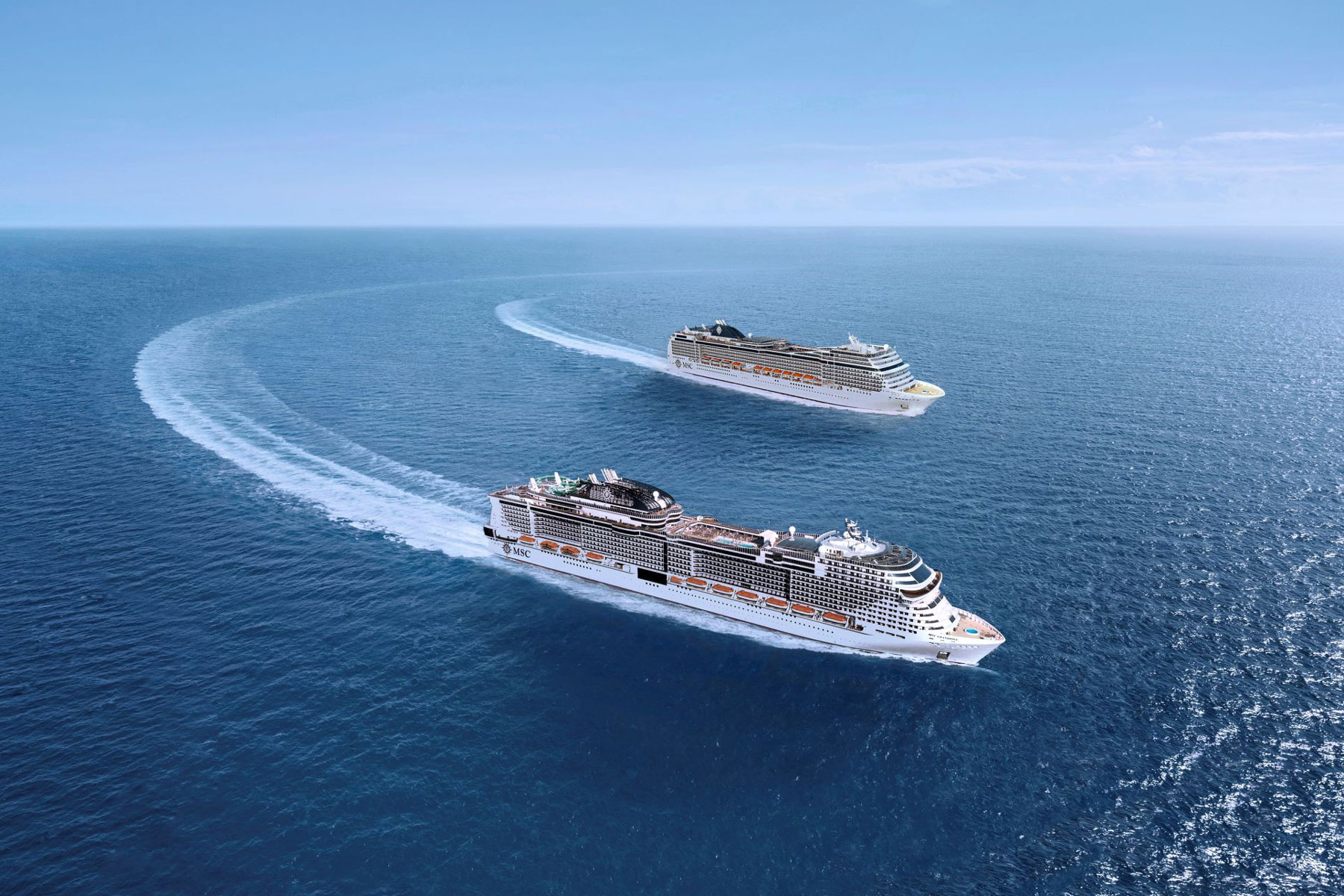 Europe is crucial to its operation to convince the world that cruising is safe – and that tight controls will mean cases will be kept to a minimum.
No-one is saying there won’t be cases – just that every possible precaution is being taken to prevent them and, when they do occur, passengers will be treated immediately in mainly new isolation and emergency units.Says CLIA: “A critical next step, now that initial sailing has begun effectively with strict protocols in Europe, is the resumption of operations in the Caribbean, Mexico and Central America (the Americas), which encompass the largest cruise market in the world.” CLIA’s protocols are a blend of the recommendations from the Healthy Sail panel established by Royal Caribbean Group and Norwegian Cruise Line Holdings, MSC’s Blue Ribbon group and Carnival Corporation’s collection of outside independent experts. Other contributions have come from protocols being used in the successful sailings in Europe by MSC Cruises, Costa, TUI Cruises, Ponant, Seadream, and others. Convincing the CDC is not CLIA’s only challenge.
Ports are crucial to any resumption – both in Europe, American, and in Australia, where there is an added complication: the Federal AND state governments have a stake in the conversation.It is expected that lines in Australia will now start engaging with authorities here to ensure they have seen the new protocols and considered them. Said CLIA: “Guided by world-class experts in medicine and science, CLIA and its ocean-going cruise line members have outlined a pathway to support a phased-in, highly-controlled return to passenger service in the Caribbean, Mexico and Central America with protocols that promote the health and safety of passengers, crew and the communities visited. “The core elements mirror the successful resumption of cruising in other parts of the world and include 100% testing of passengers and crew prior to boarding — a travel industry first. “Initial cruises would sail on modified itineraries under stringent protocols that encompass the entirety of the cruise experience, from booking to debarkation. With support and approval of regulators and destinations, cruises could feasibly begin during the remainder of 2020.”
Highlights of the core elements include:
- 100% testing of passengers and crew for COVID-19 prior to embarkation.
- Mask-Wearing. Mandatory wearing of masks by all passengers and crew onboard and during excursions whenever physical distancing cannot be maintained
- Physical distancing in terminals, onboard ships, on private islands and during shore excursions
- Air management and ventilation strategies to increase fresh air onboard and, where feasible, using enhanced filters and other technologies to mitigate risk
- Medical Capability: Risk based response plans tailored for each ship to manage medical needs, dedicated cabin capacity allocated for isolation and other operational measures, and advance arrangements with private providers for shoreside quarantine, medical facilities, and transportation.
- Shore Excursions: Only permit shore excursions according to the cruise operators’ prescribed protocols, with strict adherence required of all passengers and denial of re-boarding for any passengers that do not comply.
“Our Costa Cruises brand successfully restarted cruise operations this month in Italy, with important learnings and best practices being shared broadly across the corporation’s eight additional cruise line brands.“In addition, the global cruise community continues to make significant progress in developing enhanced health and safety protocols. “We look forward to collaborating with CLIA and our fellow cruise operators to work collectively with the CDC for a safe and successful restart to cruise operations in the U.S.” The CDC has received over 3,000 submissions from the public, including Australia. Let us know what you think: have these measures made you move confident to sail?

Related Posts
-

With demand high, NCL has rolled out an extra range of cruises for the 2026 northern hemisphere cruise season, adding a massive 225 new voyages.
-
Norwegian Cruise Line has cancelled several months’ worth of itineraries on three ships, as the company begins to move their bigger ships to the Caribbean.
-
Cruise line loyalty programs are evolving with some cruise lines now matching their competitors to drive new business.
-
Cruise lines have threatened to sue the Hawaiian government for introducing new taxes based on a per cabin or per person fee.