- Tahiti Tourism is out to convince Australian cruisers to sail in its azure waters.
- The beautiful islands already have a fleet of luxury small ships on board.
- Now that Air Tahiti Nui can offer direct flights from Australia, they are expecting Aussie tourists to take off.
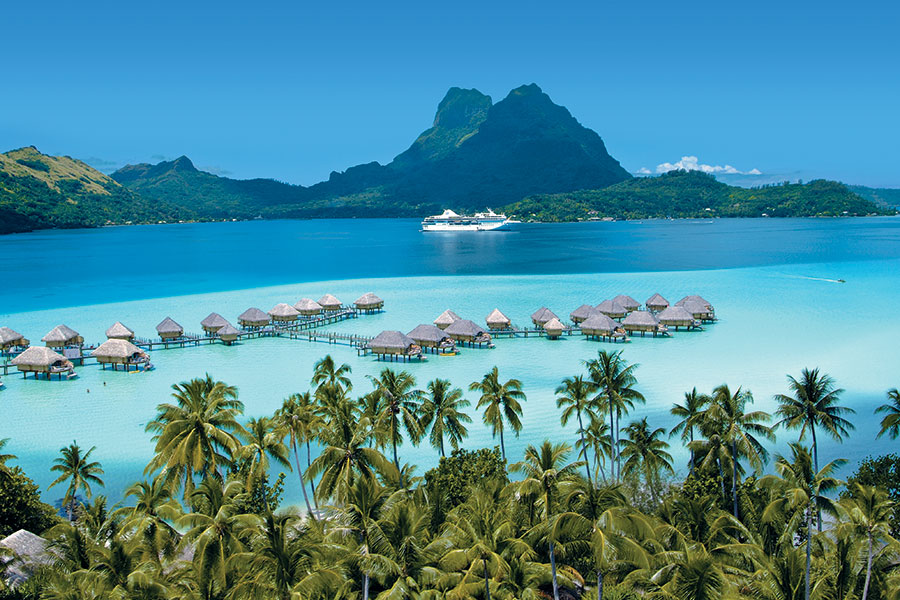
Tahiti is one of the world’s most alluring cruise destinations. With sapphire lagoons, jungle-clad mountains, coral reefs teeming with marine life and some of the most spectacular beaches on earth, it has all the ingredients of paradise.
But for many Australians, it has remained just out of reach. That is about to change.
Tourism leaders from French Polynesia have unveiled an ambitious new push into the Australian market, built around a simple proposition: Tahiti is no longer just a honeymoon destination for the wealthy. It is a diverse, accessible and sustainable destination that is best explored by ship.
From December 2025, Air Tahiti Nui will launch direct flights between Sydney and Papeete, a move Tourism Tahiti believes will transform Australian visitation.
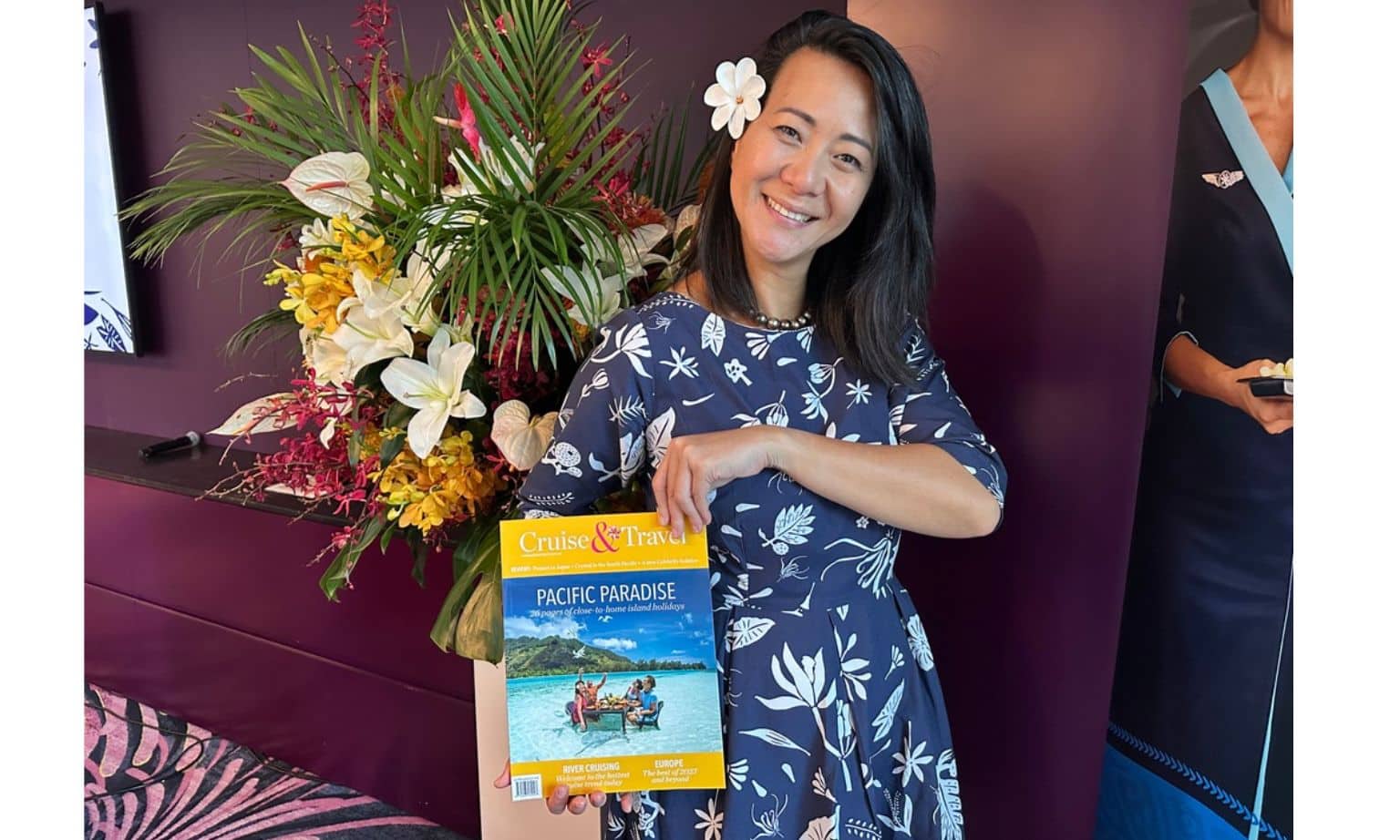
“With the new direct flight, Tahiti will become much more accessible,” said Tourism Tahiti CEO Vaihere Lissant.
Currently, around 84,000 Australian visitors travel to French Polynesia each year, slightly above pre-pandemic levels. Most stay for around 11 days and spend more than $4,000, excluding airfares.
But tourism officials believe the new flights will attract a broader audience beyond the traditional honeymoon market.
“We really believe there is a Tahiti for everyone,” Lissant said.
A destination made for cruising
Spread across an ocean area the size of Western Europe, French Polynesia consists of 118 islands grouped into five distinct archipelagos.
There are the iconic lagoons of Bora Bora and Moorea in the Society Islands, the remote atolls of the Tuamotus, the dramatic volcanic cliffs of the Marquesas and the untouched beauty of the Austral Islands.
It is geography that naturally lends itself to cruising.
“French Polynesia is a huge territory. It’s the perfect playground for cruising,” said Lissant.
Unlike many cruise destinations, Tahiti has consciously chosen not to pursue mega-ship tourism.
More than 80 per cent of cruise ships operating in French Polynesia carry fewer than 600 passengers. Only three islands in the entire territory allow ships carrying more than 3,600 guests, and even Bora Bora now limits cruise vessels to around 1,200 passengers.
One of Tahiti’s biggest assets is its people. The goal is to ensure tourism growth does not overwhelm local communities or damage fragile ecosystems.
Cruising, officials argue, also helps spread visitors throughout the islands, bringing economic benefits to communities that might otherwise miss out on tourism dollars.

Small ships, big experiences
Tahiti’s cruise offering is increasingly focused on smaller, premium vessels that immerse travellers in the destination.
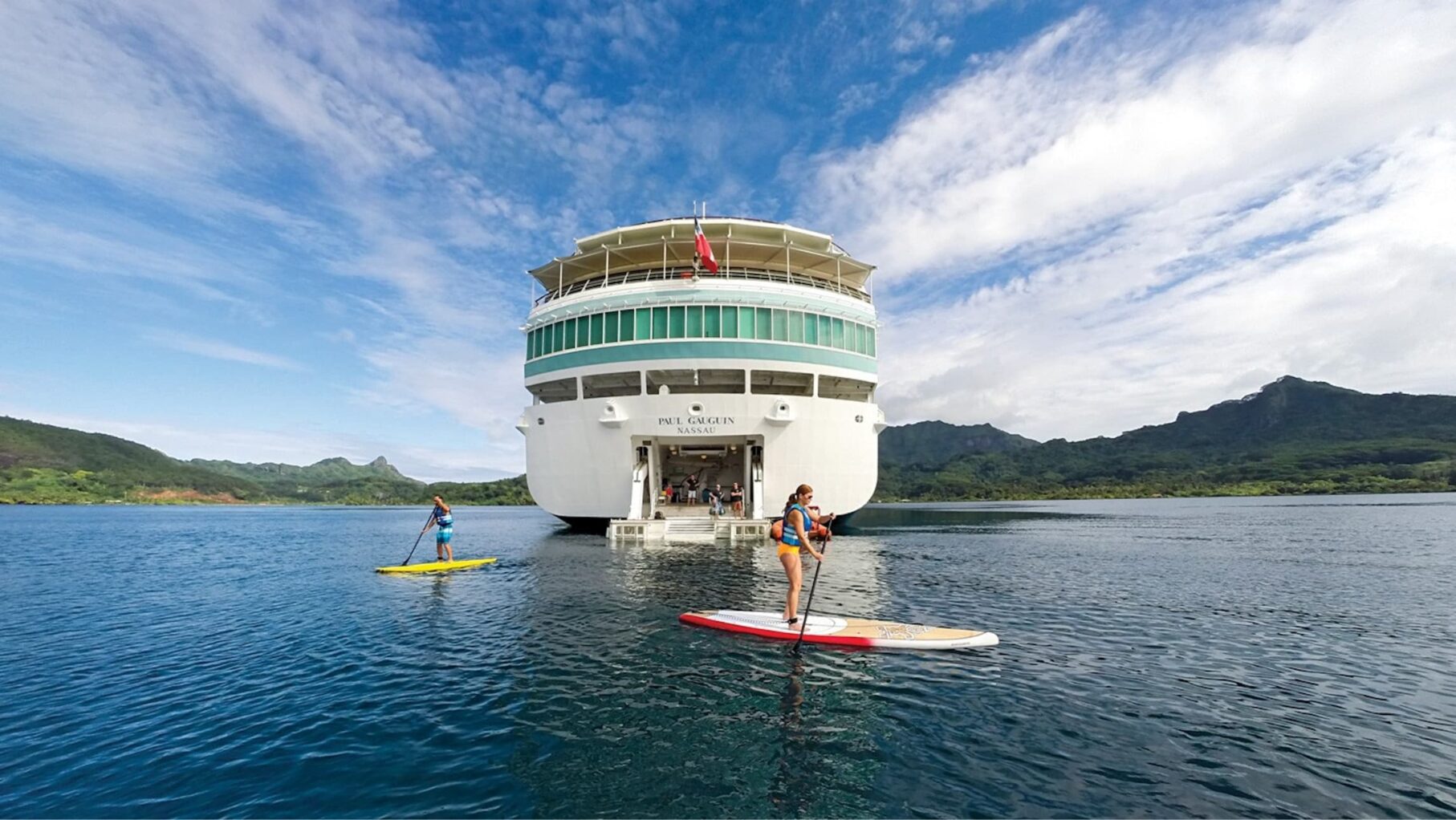
Year-round operators already include Paul Gauguin Cruises, Windstar Cruises and the cargo-passenger vessel Aranui, which combines cruising with cultural exploration of the Marquesas Islands.
More ships are on the way.
The Ritz-Carlton Yacht Collection’s Luminara will spend several months in French Polynesia from late 2026, while Ponant’s Jacques Cartier and Silversea’s Silver Whisper will also be based in the region for extended seasons.
Windstar is adding a second ship in 2027, reflecting growing demand for intimate voyages through the islands.
Rather than competing directly, tourism officials say each operator offers a different experience, from luxury yachting to expedition cruising and cultural immersion.
More than Bora Bora
Tahiti’s tourism industry is trying to move beyond the clichés. Yes, there are overwater bungalows. Yes, Bora Bora remains one of the world’s most beautiful islands.
But French Polynesia is also home to family-run guesthouses, locally owned pensions, adventure tourism, hiking, diving, whale encounters, Polynesian culture and a rich blend of French, Polynesian and Asian influences.
Visitors can choose five-star resorts or simple beachfront accommodation. They can charter yachts, cruise between islands, hike volcanic peaks or dine at local food trucks serving traditional cuisine.
The diversity is what makes the destination unique.
Protecting paradise
Perhaps the most compelling part of Tahiti’s story is its commitment to sustainability.
French Polynesia receives around 281,000 visitors annually, a fraction of destinations such as Hawaii, Fiji or the Maldives.
Rather than chasing volume, the government has adopted a long-term tourism strategy centred on environmental protection and community benefit.
International industrial fishing has been tightly restricted for decades. The territory established one of the world’s largest marine mammal sanctuaries more than 20 years ago and has expanded marine protection measures across its vast ocean territory.
Tourism leaders say the same philosophy guides their approach to cruising. The objective is not to become the next mass-market cruise destination. Instead, Tahiti is positioning itself as a place where travellers can experience extraordinary natural beauty without compromising the environment that makes it special.
For Australian cruisers, the combination of easier access, intimate ships and some of the most beautiful waters on the planet may prove irresistible.
And with direct flights finally removing one of the biggest barriers, Tahiti’s moment may just have arrived.

Related Posts
-

Middle East troubles have meant huge numbers of airlines have cancelled flights to and from Europe. That means chaos for Aussies who have booked cruises or want to come home.…
-
The saga of Nice and Villefranche in France attempting to ban cruise ships has taken yet another turn.
-
While Western Australia was celebrating the success of its 2023/24 cruise season, where 290 cruise ship visits were recorded and more than $385 million was injected into the economy, there…
-
Much has been written in recent years about the decline of Melbourne as a cruising city, and on the eve of the 2025/26 cruise season, the situation is at critical…