- The Norwegian billionaire who created Viking cruises has stepped aside from his CEO role.
- Torstein Hagen was a true cruise visionary, who tapped into what modern cruisers really wanted.
- Here’s how Viking evolved, and how it became an Aussie favourite.
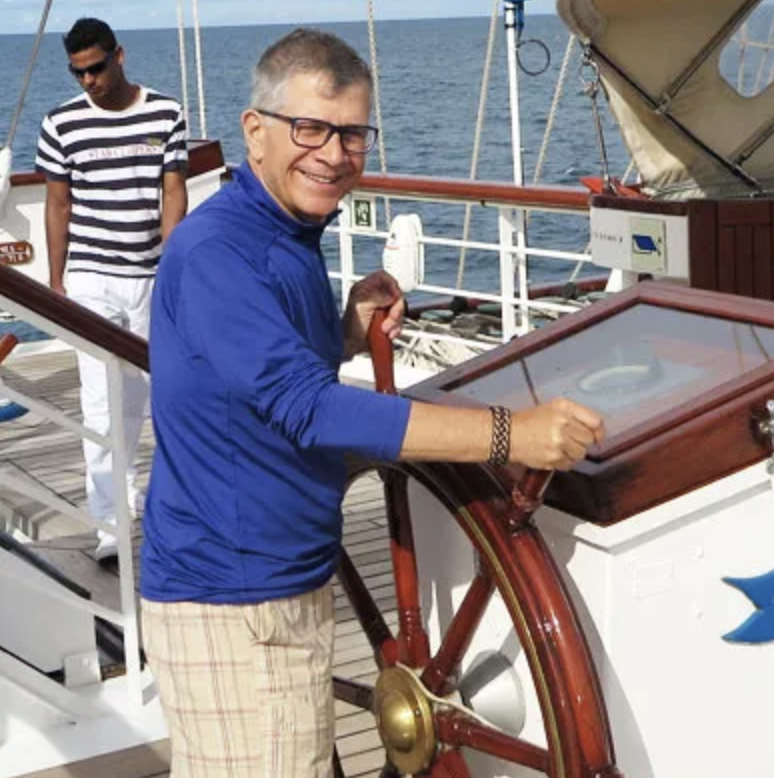
Torstein Hagen always seemed less like a corporate executive and more like a Scandinavian shipmaster who simply refused to accept the cruise industry’s norms and conventions.
In stepping aside as Viking’s chief executive to become executive chairman, the 84-year-old leaves not merely a successful cruise line, but an entirely reshaped sector of global travel.
Not that he is going far. While he is relinquishing the day-to-day, he will still be steering Viking’s highly successful strategy. Coinciding with the change, Viking announced first quarter results with revenue up 17.5 per cent to $1.45 billion (US$1.05 billion).
For decades, the cruise industry was dominated by a familiar formula: bigger ships, louder entertainment, casinos, children’s clubs and relentless onboard upselling.
Hagen saw another path. He believed there was a large audience of travellers who wanted something more cultured and intelligent. His answer became Viking – now one of the most influential travel brands of the modern era, with a major toehold in ocean, river and adventure cruising.
Hagen’s journey in cruising began long before Viking became a household name. The Norwegian-born businessman had worked in shipping and travel throughout the 70s and 80s, including senior roles linked to Royal Viking Line, one of the great luxury cruise brands of its era.
Those experiences gave him a sharp understanding of both what affluent travellers appreciated and what increasingly irritated them about cruising.
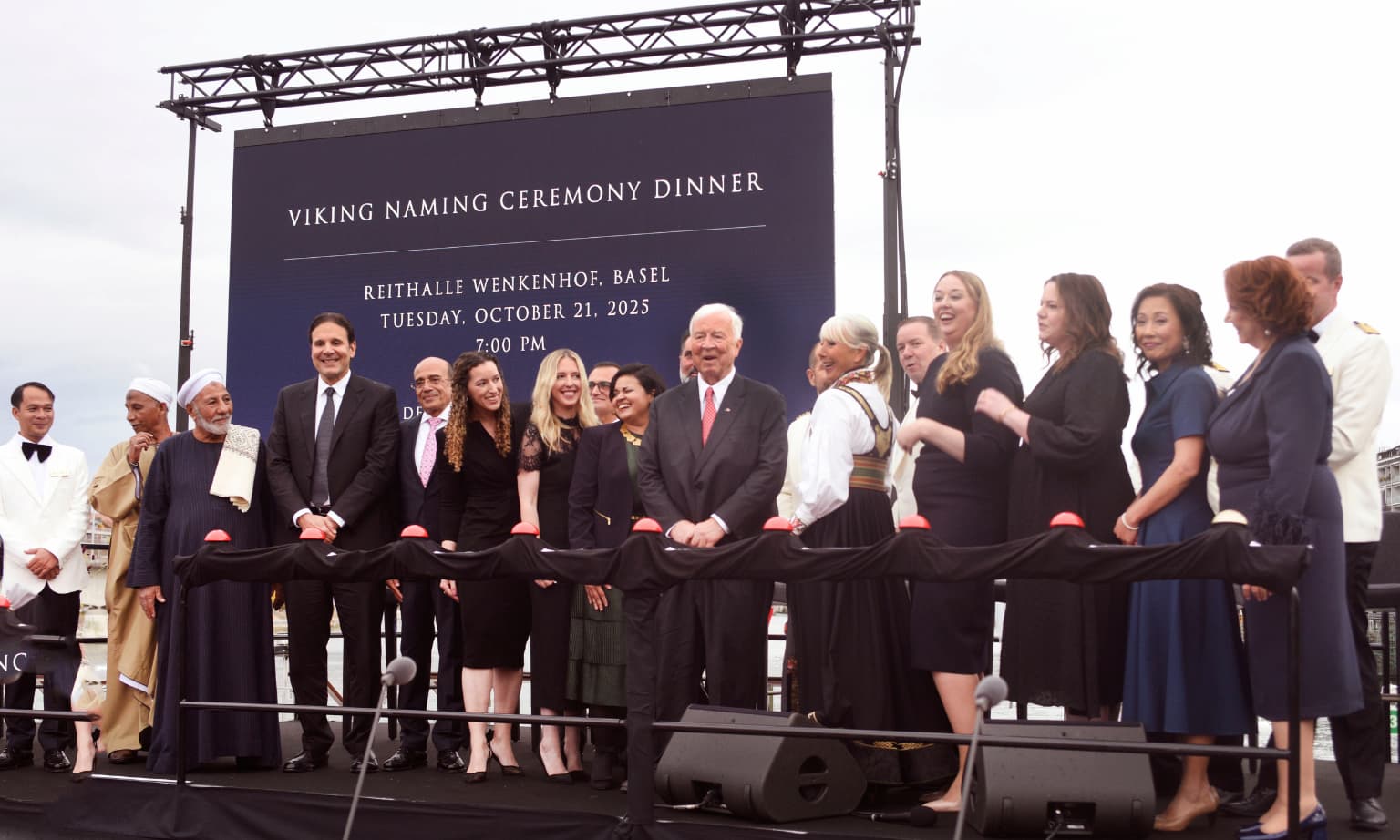
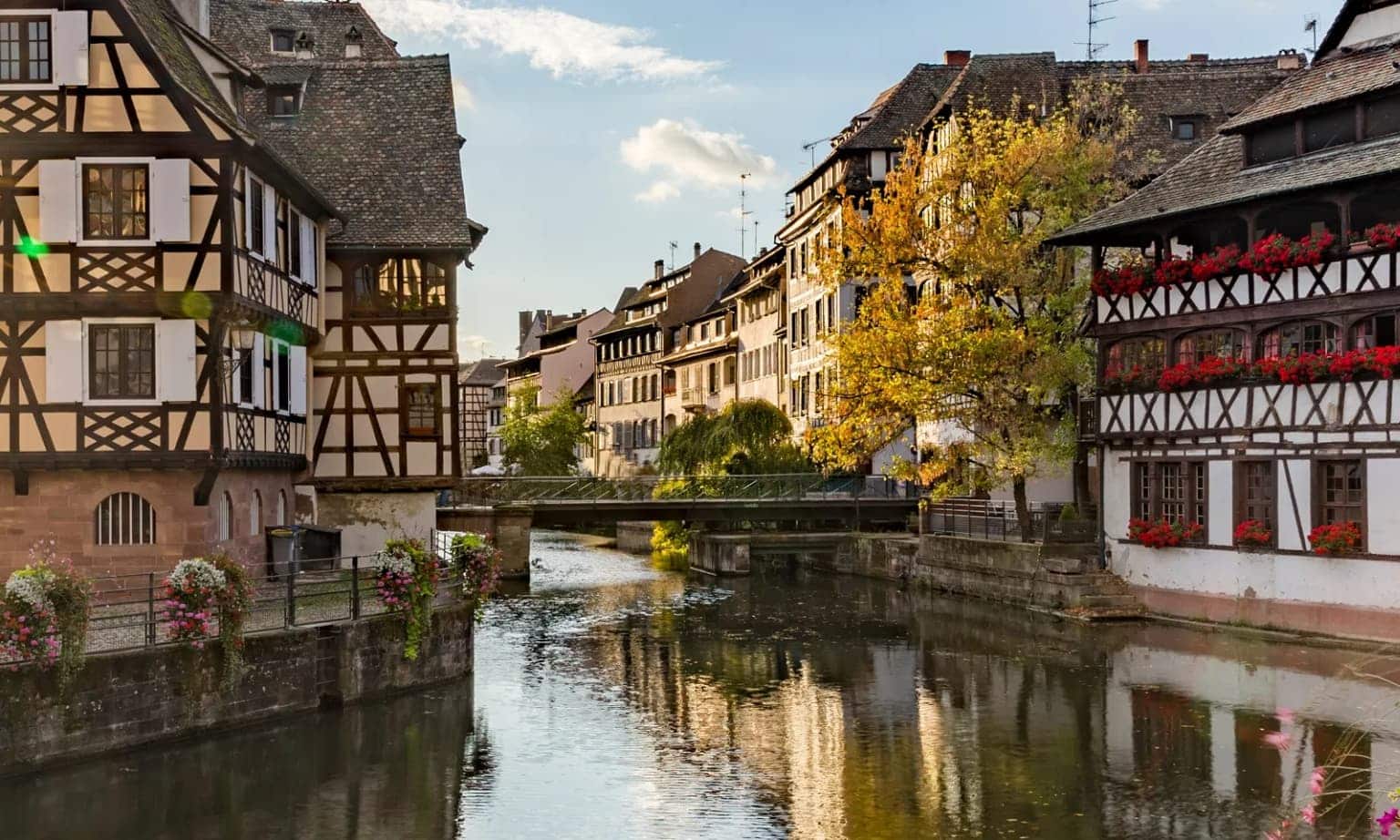
In 1997, he acquired a small river cruise operation in Russia and began building what would become Viking River Cruises. At the time, European river cruising was fragmented, traditional and relatively small-scale. Hagen transformed it with characteristic boldness.
His revolutionary Viking Longships changed the economics and aesthetics of river cruising almost overnight. Sleek, Scandinavian-inspired and highly efficient, they allowed Viking to expand at astonishing speed across Europe’s rivers.
He built so many that at one stage he held a Guinness World Record entry for launching the most ships in one day – 16.
Soon Viking became impossible to ignore. The company amassed the largest river fleet in Europe and, in many ports, seemed to own entire stretches of waterfront. Then came expansion into Asia, Egypt and other global waterways, turning river cruising from a niche European pastime into an international tourism powerhouse.
But Hagen was only just beginning.
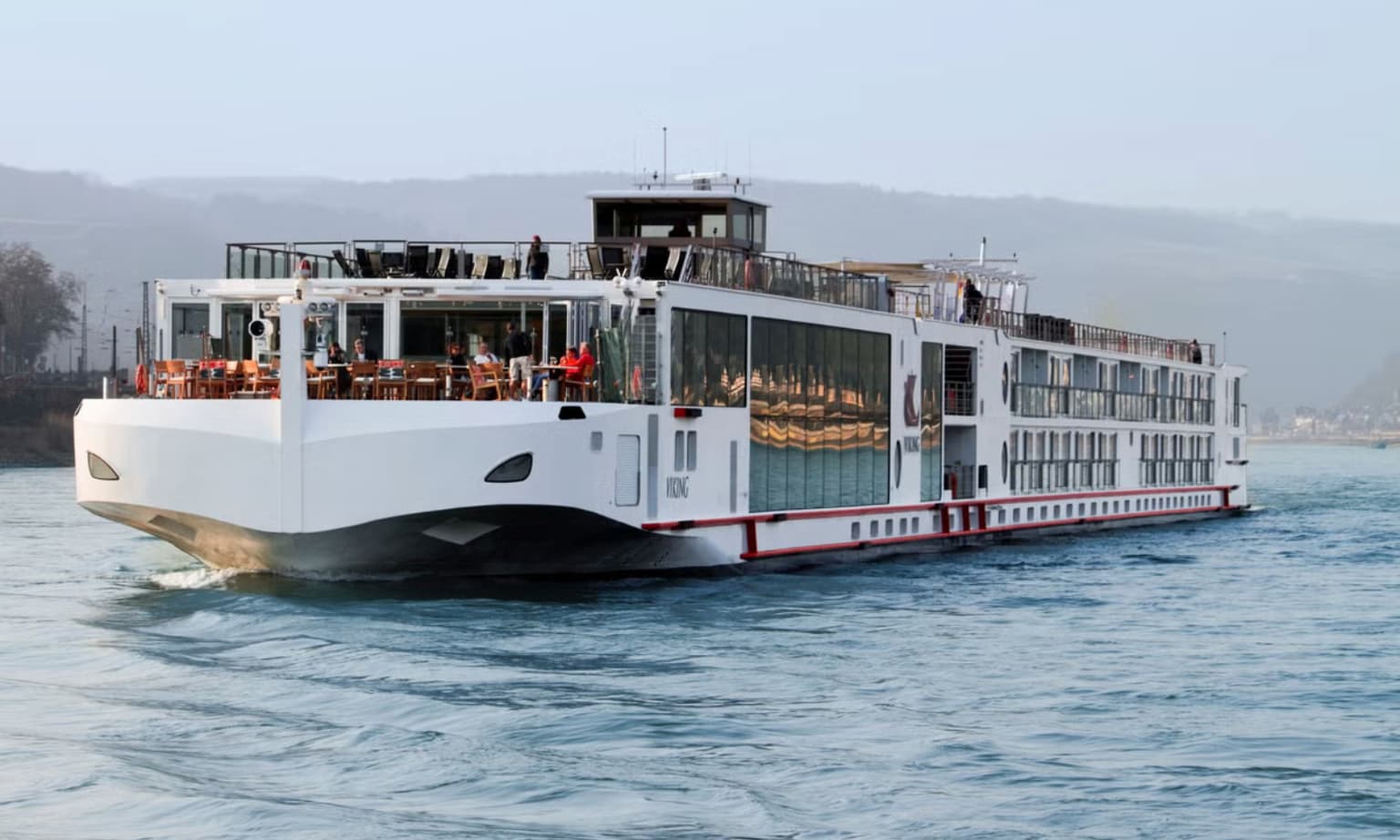
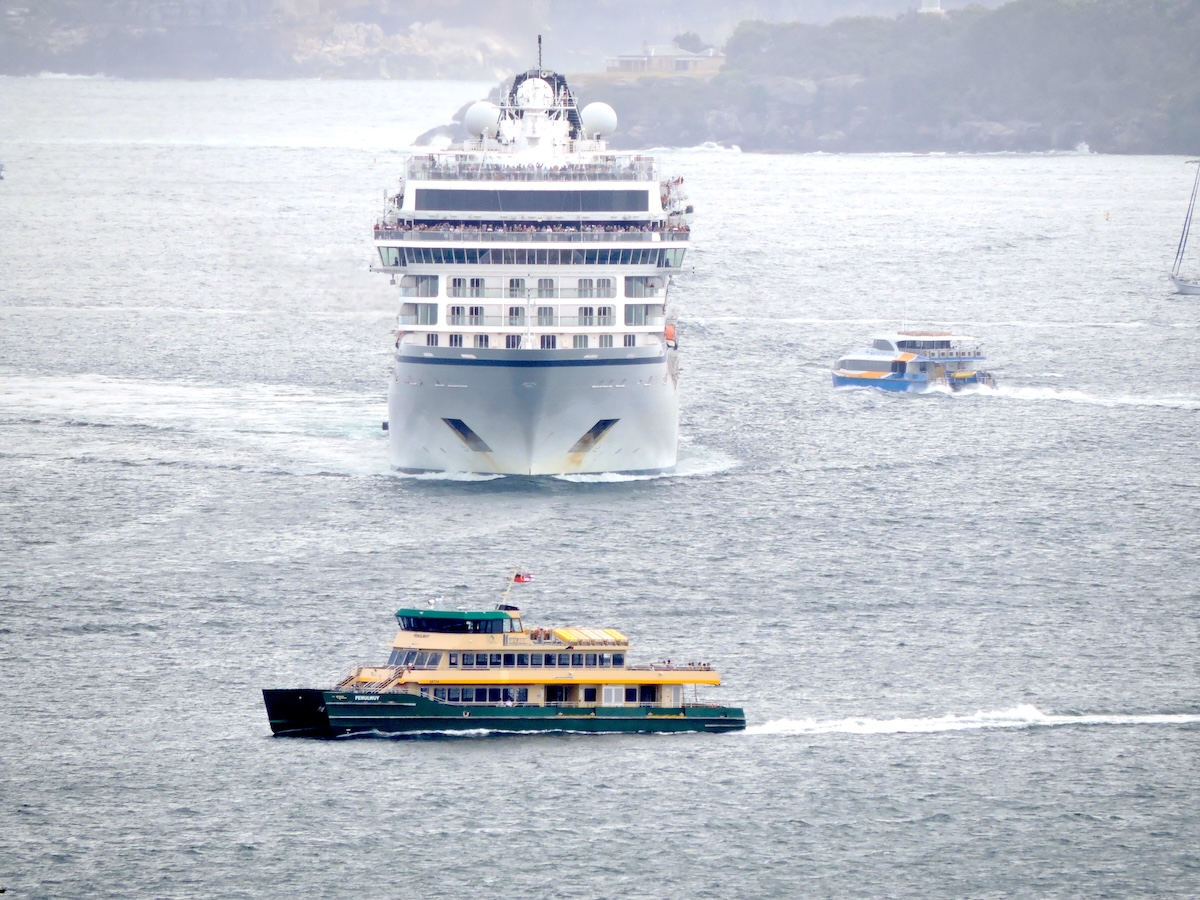
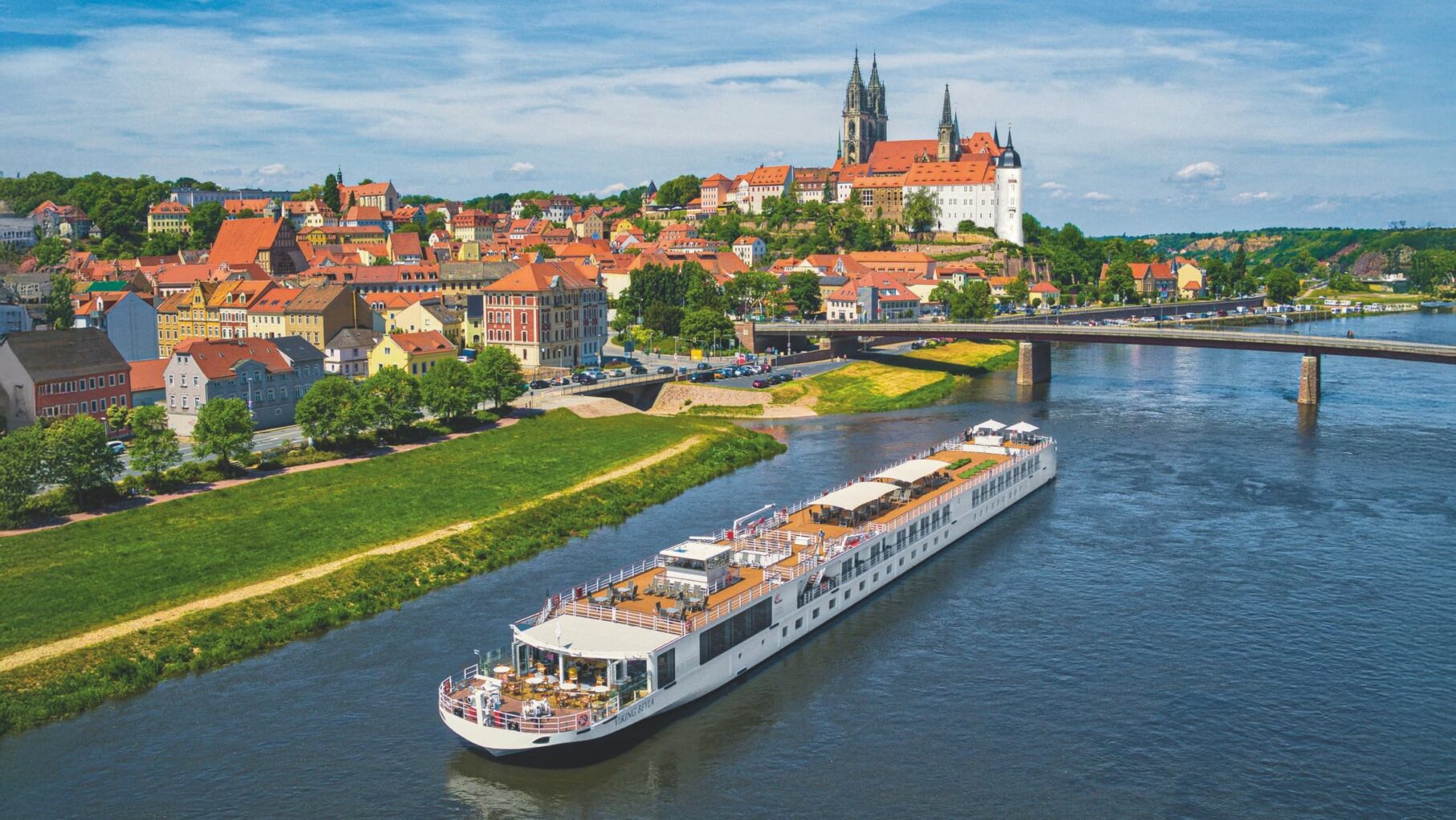
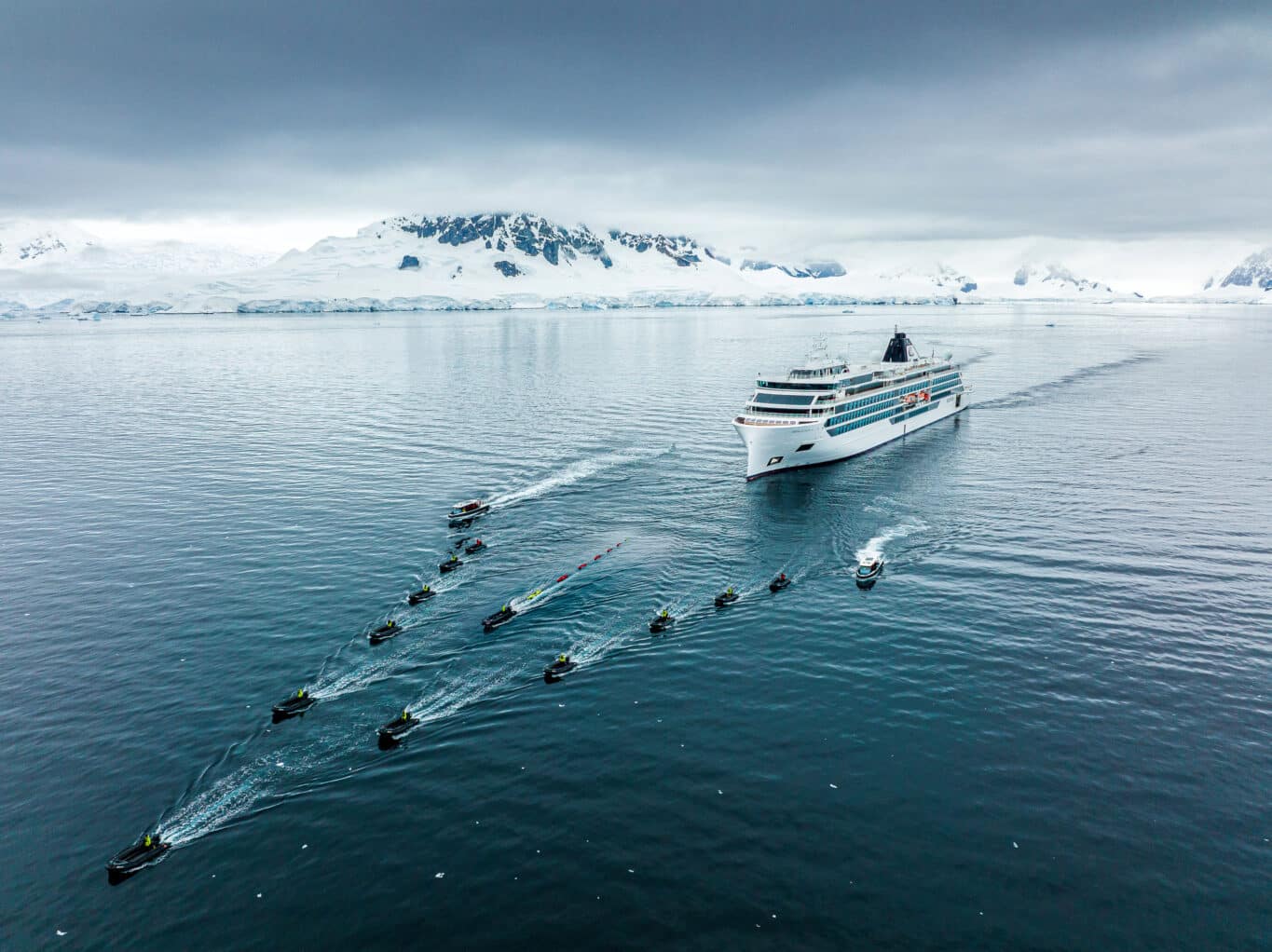
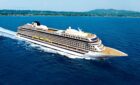
When Viking announced it would enter ocean cruising, many competitors scoffed. The industry was then engaged in a race toward ever-larger floating resorts. Hagen instead launched comparatively small ocean vessels with understated Nordic elegance and a radically different philosophy.
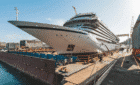
Identical small, all-verandah, state-of-the-art ocean ships were launched – there are currently 15, each carrying just under 1000 guests. They were perfectly sized to deliver direct access to most ports.
“No kids. No casinos. No art auctions” was the marketing slogan. It sounded almost rebellious in modern cruising.
Viking called itself “the thinking person’s cruise”, and the phrase stuck because the product genuinely delivered on the promise. Lectures, destination immersion, Scandinavian restraint and intelligent design replaced water slides and neon excess.
When I first sailed on Viking Ocean, the first thing that struck me was the freshness of the design (we all called it Scandi Chic!). Light woods, beautiful new furnishings, quiet corners to read and chat – all so different to rivals. Everything was understated yet intensely practical – just the way his 50-plus well-heeled audience wanted it, but not the way Miami executives envisioned cruising.
Hagen famously resisted calling Viking “luxury”, preferring the word “deluxe”, yet the experience often surpassed supposedly ultra-luxury competitors.

Just as importantly, Viking became synonymous with value. Wine and beer with meals. One shore excursion included in every port. Specialty dining without surcharges. WiFi included. Hagen despised what he saw as the industry’s addiction to “nickel and diming” passengers. At a time when rival lines increasingly monetised every onboard experience, Viking marketed simplicity and transparency.
Competitors rushed to imitate him, but few matched the consistency of the Viking product or the clarity of its identity.
Then came expedition ships – purpose-built adventure vessels with a distinctive design philosophy that again broke industry moulds. Rather than chase extreme luxury gimmicks, Viking created sophisticated exploration ships focused on science, destination immersion and elegant practicality.
They had science labs, and every cabin had books, binoculars and everything you could need to discover the world outside.
What made Hagen particularly unusual, however, was that he never seemed entirely comfortable with the polished distance modern corporate leadership often demands.
One moment especially captured the man behind the brand.
In 2019, Viking Sky suffered catastrophic engine failure during violent storms off the Norwegian coast and narrowly avoided disaster as passengers were dramatically airlifted to safety. While many corporate advisers would have urged a CEO to stay far away from such a crisis until it was resolved, Hagen boarded a plane and travelled to the shoreline to witness the rescue operation himself. It was an intensely personal response — emotional, instinctive and deeply revealing.
No American corporate spin doctor would ever have recommended it. But Hagen preferred authenticity over choreography. And he usually got what he wanted.
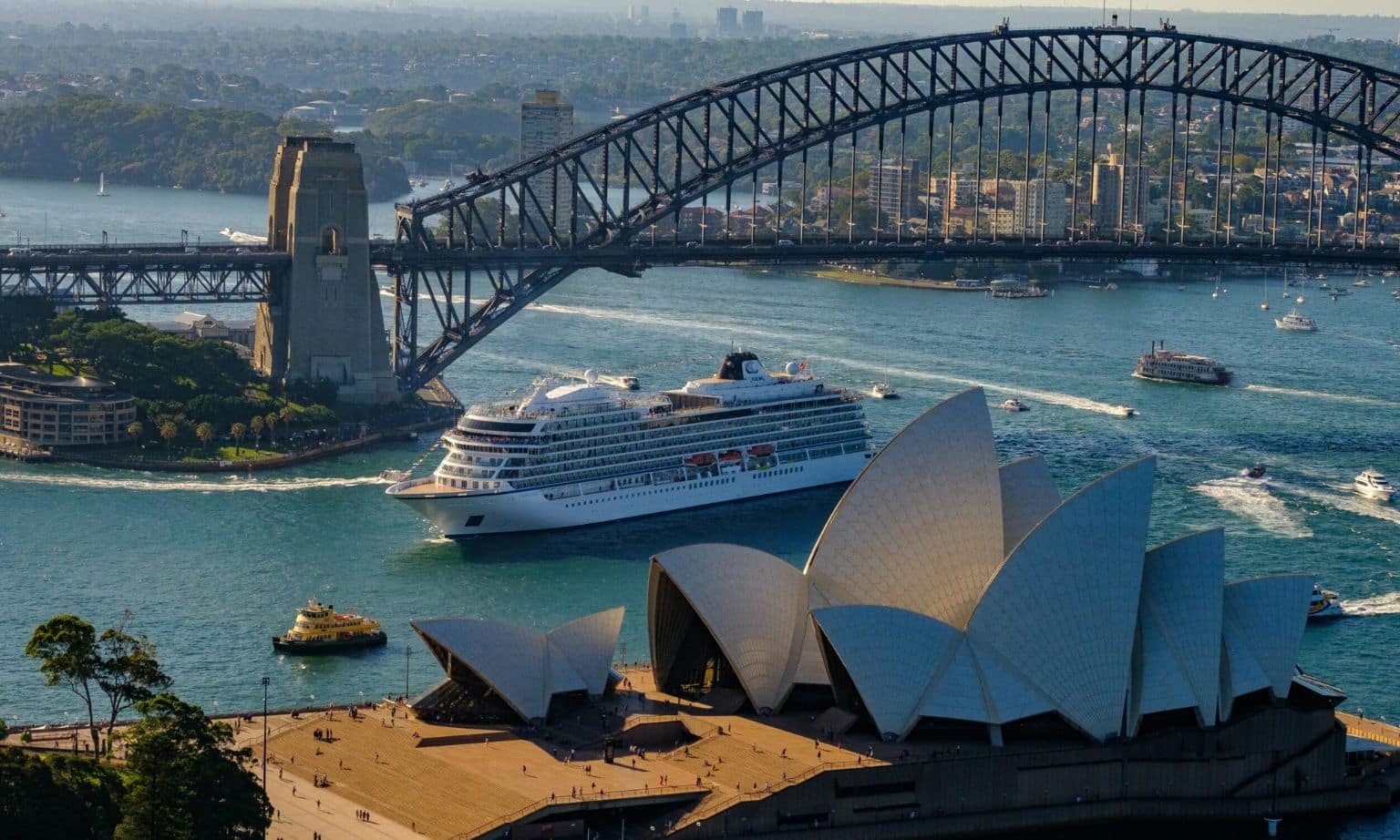
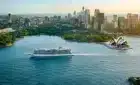
Under his leadership, Viking also became a major force in Australia. The company’s growth in this market has been extraordinary, with Viking establishing substantial Sydney operations and employing a significant Australian workforce under managing director Michelle Black.
Australian travellers embraced the Viking ethos enthusiastically, particularly the line’s emphasis on destination-focused travel, inclusions and understated sophistication. Viking’s success here helped cement Australia as one of the company’s most important international markets.
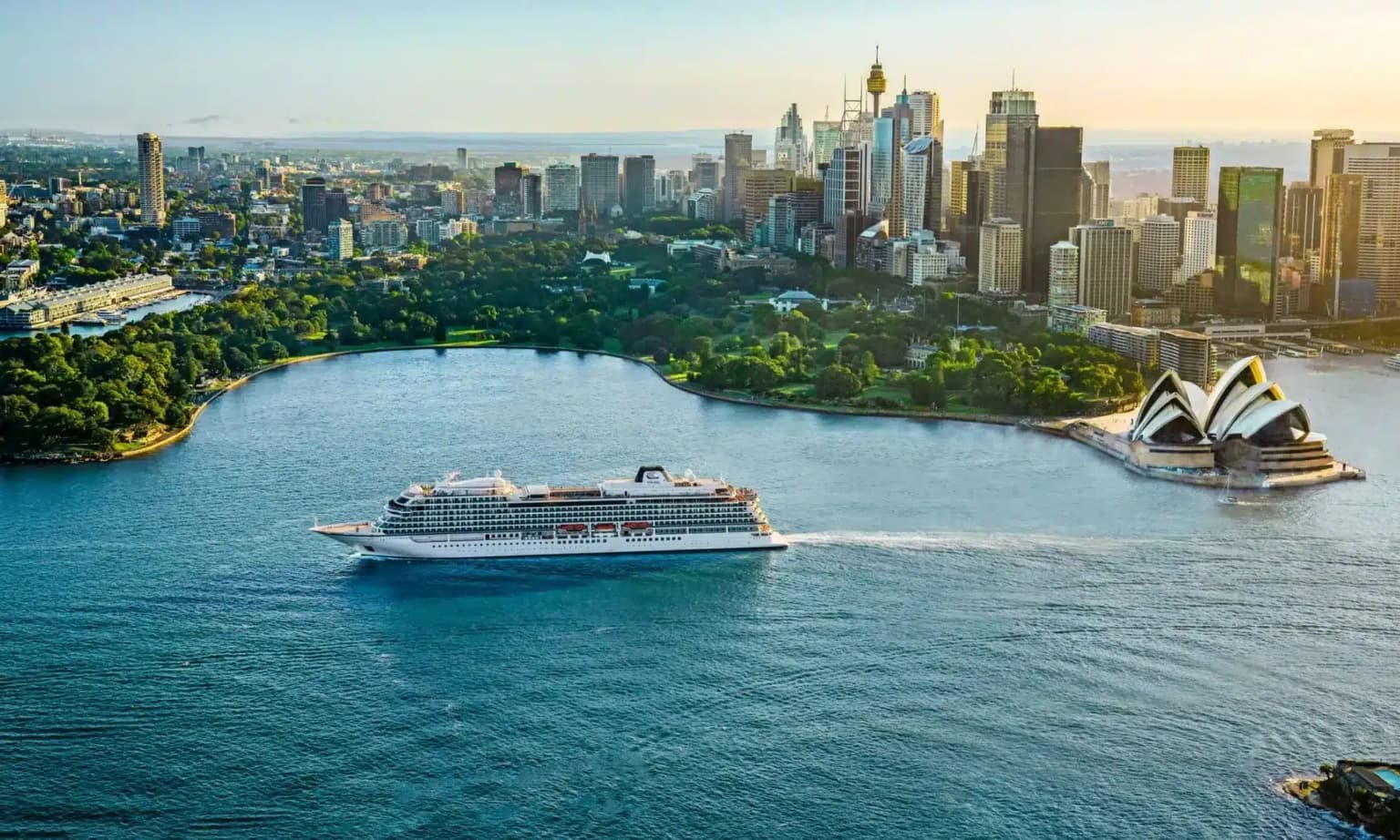
For the 2026–2028 seasons, Viking Cruises operates multiple modern ocean ships, such as the Viking Venus and Viking Orion, offering up to 56 different cruise itineraries that sail along the Australian and New Zealand coasts. Popular routes include one-way voyages between Sydney and Auckland, as well as “Australia Circumnavigation” cruises.
The company inevitably evolved after going public. Viking’s 2024 initial public offering marked the end of one era and the beginning of another. Yet the succession plan suggests continuity.
Leah Talactac, who succeeds Hagen as CEO, is no outsider. Joining Viking in 2006, she became a key architect of the company’s modern expansion and worked closely alongside Hagen for nearly two decades. Together they guided Viking through its IPO, and her appointment as president in January 2025 signalled the transition well before this week’s announcement.
Viking remains one of the few truly disruptive forces in global cruising – still challenging the comfortable dominance and entrenched structures of the industry’s giant American players including Royal Caribbean, Carnival Cruise Line and Norwegian Cruise Line.
During the COVID-19 era, for instance, Viking continued to advertise and establish its brand while others went dark.
Hagen may no longer occupy the chief executive’s office, but his influence will continue to shape the cruise world for years to come.
He proved that travellers did not necessarily want bigger, louder or flashier. Sometimes they simply wanted elegance, intelligence, fairness and authenticity.
The modern premium cruise industry owes him a profound debt.
See more about Viking on their website here.

Related Posts
-

Viking has taken delivery of its new ocean ship, Viking Vesta at a ceremony held at Fincantieri’s shipyard in Ancona, Italy.
-
The launch of the environmentally friendly hydrogen cruise ship, which can host almost 1000 guests, is a major step forward in sustainable cruising.
-
Viking unveils World Cruise itineraries for 2027/28 visiting ports from Central America to Australia
Viking has unveiled its world cruise itineraries for 2027/28 including the Viking World Cruise which will sail for 142 days visiting 31 countries from Central America to Australia.
-
A new report, commissioned by the Victorian opposition has offered more data on the decline in Melbourne and Victoria's cruise industry.