
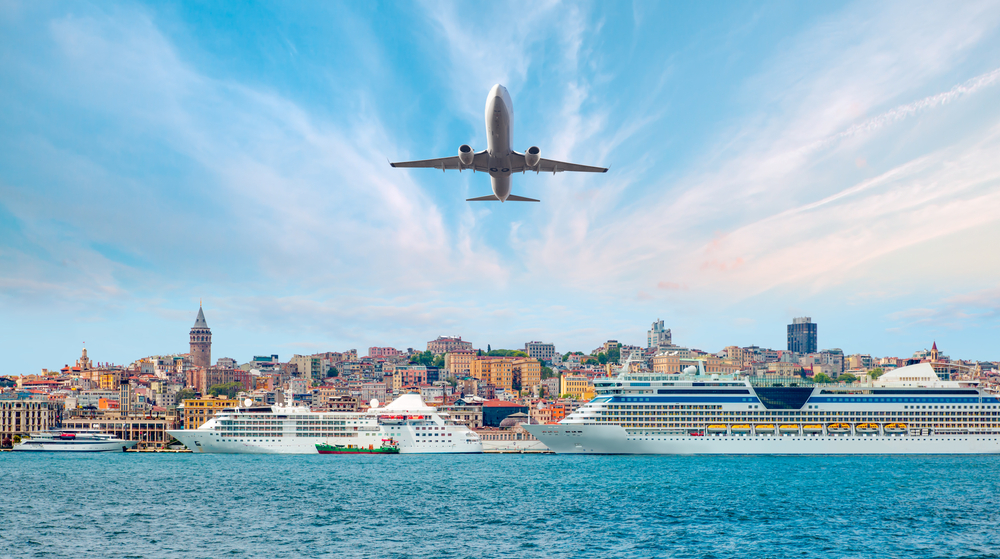
- While the price of cruises has remained stable, the cost to fly overseas has soared.
- Airlines have raised fares due to fuel costs, including Qantas which has increased international fares by about five per cent.
- Now experts say our air capacity of 150 flights a week won’t return to normal for years, meaning the price of cruise packages will be under pressure for some time to come.
Australians planning a Mediterranean, Adriatic or Northern European cruise in 2027 or 2028, might have to reach a little deeper into their pockets as airlines continue to raise their fares as a result of the conflict in the Middle East.
But those booking cruises expecting an end to the problem are going to be disappointed, according to leader of the Australian Travel Industry Association chief executive Dean Long.
Long can’t see how capacity can return to Australia “for the forseeable future this year”. Even additional services and rerouting by airlines cannot replace what has been pulled.
“There’s no pathway back to 150 flights a week (by the Gulf carriers) for the foreseeable future this year,” Long told The Australian newspaper. “And those prices are going to stay higher because of fuel and capacity cuts.”
Thankfully for the industry, resilient cruisers are continuing to book – as our own exclusive sentiment survey, reported here, shows.
But airline capacity from Australia to Europe has plunged while prices are rising, and experts predict it won’t return to pre-war levels any time soon.
For those looking to buy a fly-cruise package, this could mean a budget blowout.
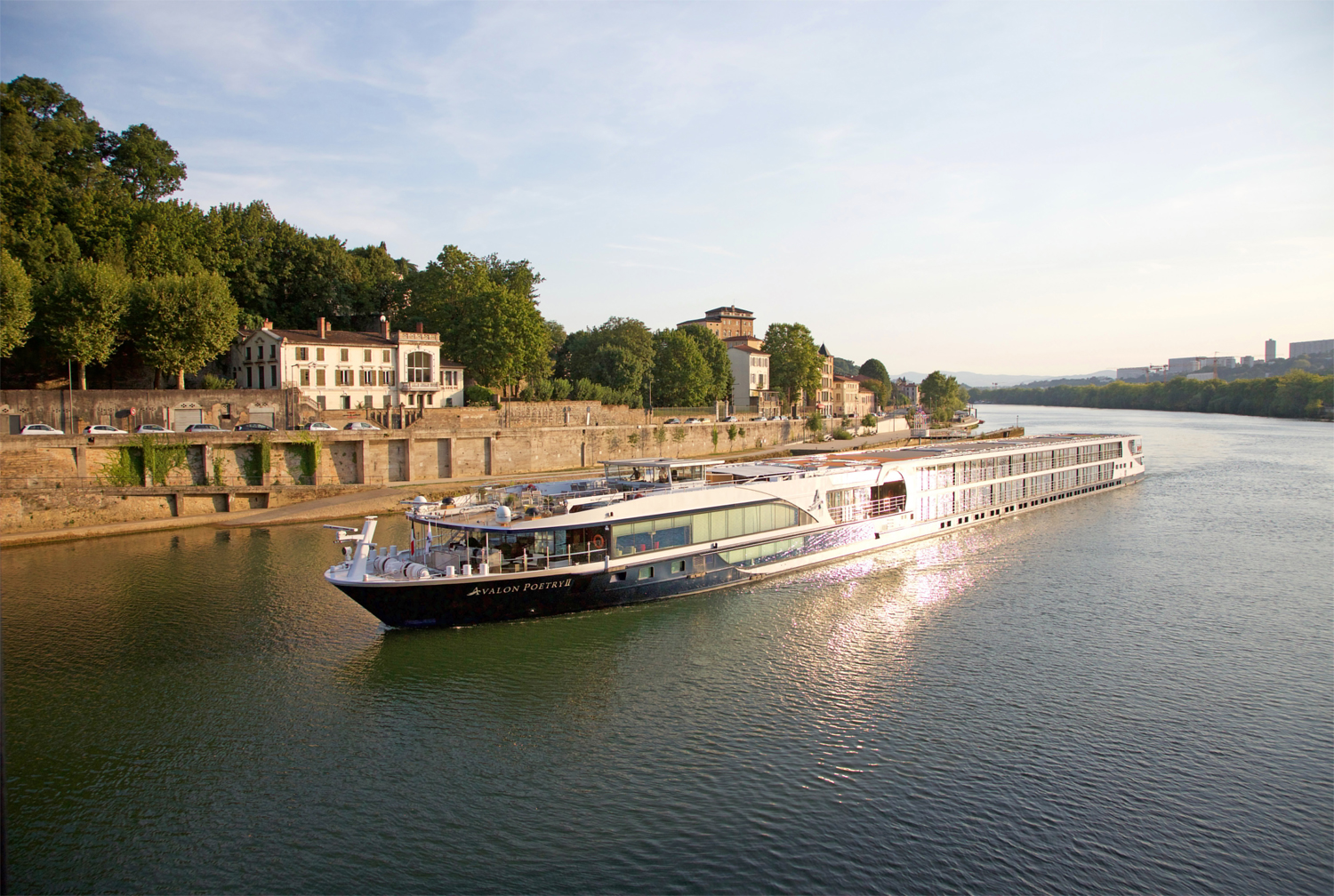
In the immediate aftermath of the beginning of the war in the Middle East, pundits warned that cruise lines would add fuel surcharges to their fares as fuel prices skyrocketed. But that hasn’t happened, with only Star and Dream Cruises, both owned by Resort World Cruises in Asia, implementing the new cost.
Most cruise lines hedge their fuel prices, meaning they have locked in contracts to buy fuel at a certain price for a certain period of time, protecting them from the massive oil price spike we’ve seen in the past few months.
So while the cruise lines have been able to maintain cruise prices, the one thing they can’t control is the cost of getting people to the dock.
In March and April, Qantas raised international fares, around four to six per cent on average, while also cutting domestic flights amid a surge in demand for routes that avoid the popular Middle East hubs, which are now subject to Australian government “do not travel” warnings.
One of the world’s biggest airlines, United Airlines, said ticket prices may need to rise by up to 20 per cent to offset a surge in jet fuel costs.
For a couple flying Sydney to Rome, Barcelona or Athens to join a ship, even a moderate increase on a standard economy fare can add hundreds of dollars per person to the package before the cruise component is counted.
Cruise Lines International Association (CLIA) Executive Director in Australasia Joel Katz told Cruise Passenger that the long-term nature of cruise tourism, which sees most travellers book 12 months out, could shield the industry.
“Cruising is traditionally a very resilient area of travel and it’s an area of tourism that tends to look to the long term,” he said.
“Cruise guests plan their travel many months and years ahead, and cruise lines release their itineraries and accept bookings several years in advance. It means the industry tends to ride-out short-term factors, and as we’ve seen in recent years, cruising has been experiencing record numbers.
“It’s still too soon to predict how economic conditions might play out, but cruise operations are continuing as normal despite this year’s flight disruptions. At times when travellers are conscious of costs or uncertainty, cruising still represents good value and remains a very accessible holiday.”
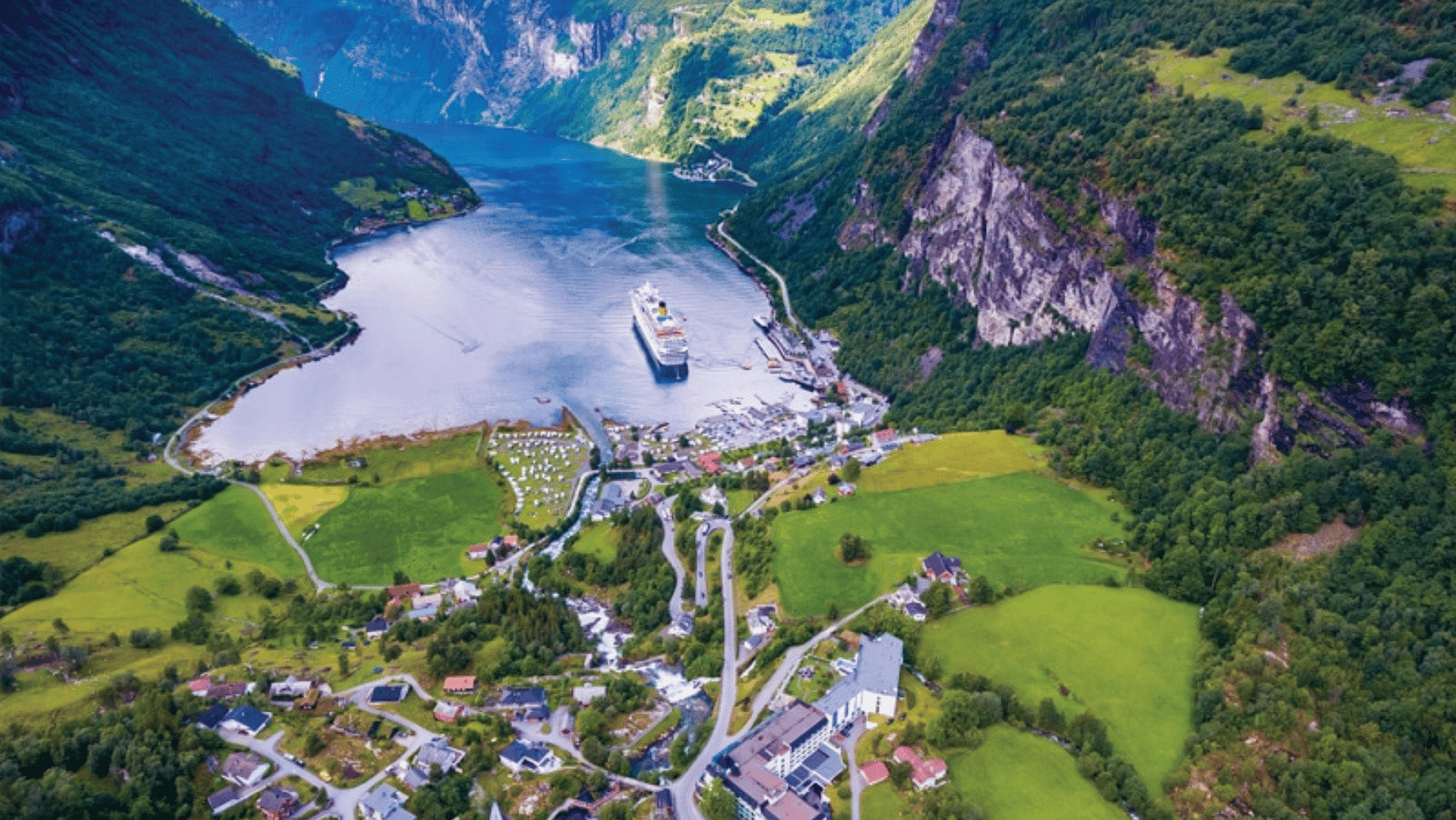
Flight Centre Travel Group’s recent results disclosed a $10 million leisure profit hit in April, with cruise and touring nominated as the hardest-hit sectors. Around 25,000 bookings were disrupted, with six per cent of customers cancelling outright.
But any concerns about price rises don’t seem to be putting people off booking cruises across the board. Both James Kavanagh, Global CEO Leisure Travel for Flight Centre Travel Group, and Cinzia Burnes, Chief Operating Officer and Executive Director at Helloworld Travel, both say that cruise bookings are up year on year.
Burnes told Cruise Passenger that most people booking cruises did so without being able to book the flight because those flights for the European summer in 2027 haven’t opened yet.
“There is an increase in flight fares, that’s absolutely the case, but in terms of it affecting the fly-cruise market, it’s not really,” she said.
“The ones that are booking cruises now are going in months, so they are booking the cruise but not the flight at this time. Our advice is, because these cruises can fill up very quickly, we say book the cruise now and worry about the airfare later.”
Burnes said she did not see fly-cruise becoming less affordable for the average Australian because the current airfares were unlikely to be a factor given how far in advance people book cruises.
“But if we’ve still got this problem next year … well put it this way, there are going to be a lot of other issues to do with the travel industry than fly-cruise.”
Burnes said there had been a slight drop in bookings in April for “family-oriented” cruises but she put that down to the cost of living crisis and higher mortgage repayments because of increasing interest rates.
According to Qantas Airways chief executive Vanessa Hudson, Aussies were not being deterred from travelling despite the price rises in airfares.
“Across both domestic and international, it is resilient,” she told a group of professional investors at the Macquarie Australia Conference on May 5, 2026, according to thenightly.com.
“We have seen a reduction in entertainment and alcohol to the prioritisation of travel,” she added. “Travel has remained the number one discretionary priority.”

Related Posts
-

Ponant Explorations has launched a Fly, Stay and Cruise package for adventure seekers cruising the Kimberley next year.
-
Cruise line MSC Cruises has informed passengers that they will be charged the tax themselves at each Greek port that they visit.
-
The French senate has voted to pass an AUD$26 tax per port per passenger for cruise ships in France.
-
Celebrity Cruises just made its first ever port call in Newcastle, marking a significant day for the cruise line and port of Newcastle alike. By length she's the largest vessel…