
- The conflict in Iran has led to rapidly increasing oil prices across the world, leaving cruise prices vulnerable to change.
- At least one cruise line has already started adding fuel surcharges.
- While these surcharges can add hundreds of dollars onto existing cruise fares, here’s why you shouldn’t worry – yet.
Update March 27: As conflict continues in the Middle East, more and more publications are warning to the possibility of fuel surcharges for cruise passengers. This is because in the majority of cruise contracts, cruise lines do reserve the right to add fuel surcharges on top of your existing cruise fare.
Some cruise lines have already started doing this. Asian cruise line StarCruises has added a USD$25 fuel surcharge per night on new bookings.
Some cruise lines, such as Pearl Expeditions have come out to make a clear statement and say that they won’t be adding any fuel surcharges on their 2026/27 sailings.
While these contract clauses do exist, and as mentioned, StarCruise have already implemented surcharges, your cruise line of choice is likely still a far way off from adding to your already paid cruise bill.
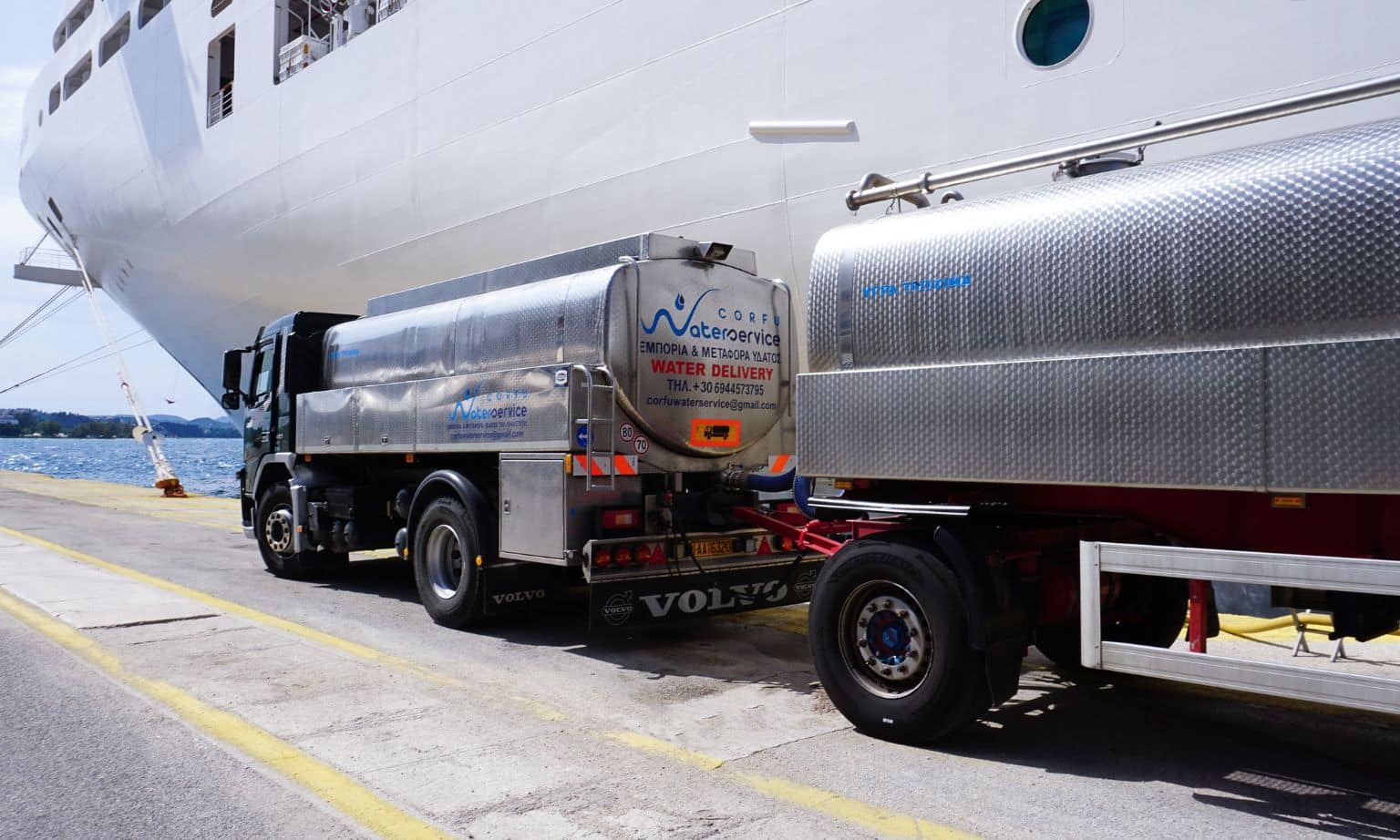
The first thing to note is that most cruise lines hedge their fuel prices, meaning they have locked in contracts to buy fuel at a certain price for a certain period of time. Therefore, this partially protects them from oil price fluctuations over the short to medium term.
While it’s unclear how long the conflict could continue, cruise prices and surcharges shouldn’t explode over the short term, and won’t be as instantly inflationary as something like gas and diesel prices.
It’s also worth noting that major cruise lines will do all they can to avoid surcharges like this. They are aware that even the most understanding customers won’t be happy to see fees added to their already agreed price.
In fact, cruise lines have even faced legal action for fuel surcharges in the past. In 2008, a Florida class-action law suit lead to Royal Caribbean and Carnival Cruises having to refund fuel surcharges. While that particular case revolved around a lack of clarity in the booking process, it demonstrates that fuel surcharges are a headache that most cruise lines would rather avoid.
So just because they can, doesn’t mean they will.
In saying this, surcharges are not impossible. Carnival Cruise Line, the most popular cruise line in Australia reserves the right to add a fuel surcharge of up USD$9 (AUD$13) per passenger per day, if the price of light sweet crude oil exceeds USD$70 per barrel. It is currently at USD$93.50.
For an 10-night sailing for a family of four people, this surcharge would add a massive $520 to your cruise bill. Other cruise lines Royal Caribbean don’t specify the exact amount they could charge, but would likely add similar amounts in the event of requiring a surcharge.
However, what’s important to note is that oil prices have been over this USD$70 figure at several moments in recent years, without Carnival, or other cruise lines with similar policies, activating the surcharge.
As mentioned, cruise lines will avoid this surcharge if they can, and Carnival has spoken about reducing overall oil consumption as a key strategy to prepare for situations like this where oil prices suddenly spike.
So for now, don’t panic.
But, as the below advice states, we are in a period where high inflation could be coming across all walks of life and even if fuel surcharges don’t arrive, it’s still very probable that cruise fares will spike. If you have your eyes on a particular cruise over the next couple of years, now is the time to snap it up and lock in your price.
March 20: Qantas this week flagged fortnightly airfare price reviews as the world began to factor in a prolonged period of conflict in the Middle East. That’s how quickly our national carrier believes the consequences of the war will impact prices.
And experts interviewed by Cruise Passenger say special pricing and deals will be among the first to be hit by price rises, as cruise lines move to protect their businesses.
Oil prices have shot up more than 35 per cent since the United States and Israel began the war in Iran and while it’s only early days, the longer that the conflict goes on, the more likely you are to feel it in your cruise fare.
These changes will be felt across the entire travel industry, and Qantas’ decision is just the start of companies moving to protect themselves against the price shocks. Rising flight prices will result in higher prices in packaged holidays for Aussies, which include both cruises and flights. These rises are likely to be noticed sooner as the effect on flight prices is more immediate.
Over the short term, many cruise lines, including in Australia, will be able to maintain their fares. This is because they lock in their oil pricing through contracts, meaning they’ll only pay a fixed price for a set period of time. However, these contracts don’t last forever, and rises can also come from increased quotes from suppliers, higher shore costs and more.
Analysts have warned that Carnival and its other cruise lines could be hit the hardest by the price rises. This is because many other cruise lines hedge against fuel prices, including the lines of Royal Caribbean Group and Norwegian Cruise Line Holdings, but Carnival does not.
If fuel prices continue to spiral out of control, it would appear Carnival would have no option other than to pass on many of the extra costs to the customer.
The first to go will be deals. The second will be packages that wrap air and land together.
Crusie Passenger has spoken to many in the industry, and there is only one overwhelming message on how to beat what’s almost certainly coming: Book now.
Why Australia is vulnerable?
Australians are concerned about Carnival’s position as it is Australia’s low-cost cruise carrier, with around 600,000 Aussies expected to get on a Carnival ship this year. They have a fleet of four ships in Australia, and a rise in prices would be a significant hit to what is many Australians ‘ favourite holiday.
In total, 1.3 million Aussies cruised in 2024, the vast majority of those cruising across Carnival, Royal Caribbean, Celebrity Cruises and Princess Cruises, with the economic benefits of cruising often being a key driver for Aussies.
Australian cruise prices are already particularly vulnerable to price rises, simply because cruising in Australia uses a lot of fuel, especially compared to other cruise destinations around the world.
The first reason for this is that for cruise lines that rotate their ships between the USA and Australia, this is an extremely long distance and requires burning through a lot of fuel. For example, from Miami, it’s almost twice the nautical miles to sail to Sydney as it would to be Italy, or other European cruise homeports. To move a ship from the Caribbean to Alaska or California is even closer and cheaper than Europe.
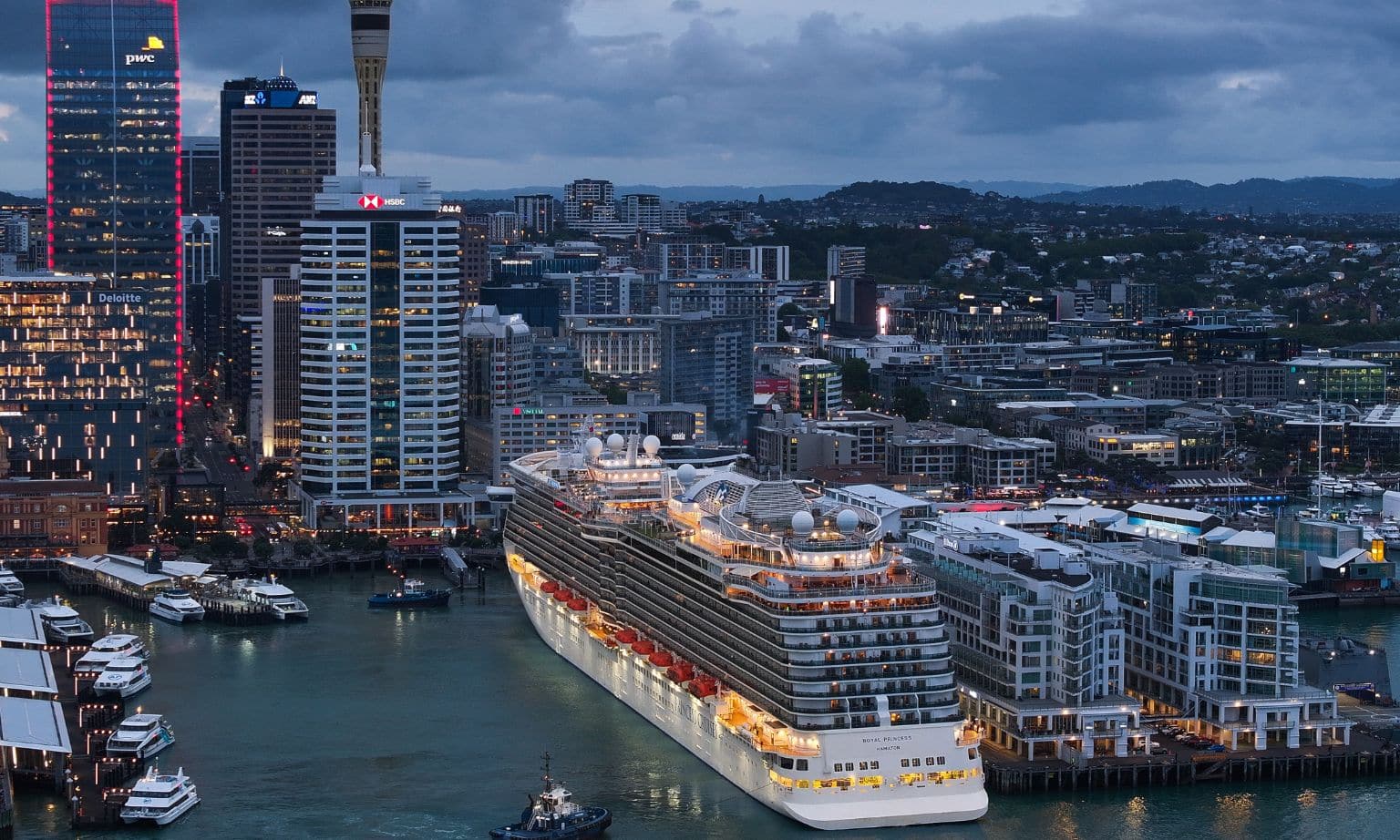
Furthermore, a ship in California or the Caribbean doesn’t have to travel far to its destinations. From Miami its only around 50 nautical miles to The Bahamas and from Los Angeles to Ensenada it’s about 150 nautical miles. Comparing this to Australia, itineraries tend to burn through a lot more fuel. Sydney to New Caledonia is over 1000 nautical miles and Sydney to Auckland is also over 1000 nautical miles.
Between the repositioning costs and the significantly larger gaps between ports, the reality of cruising in Australia is that it requires a lot more fuel. As the price of oil rises, this leaves Australia a lot more vulnerable to cruise lines pulling out of Australia as they look to adjust to the changing climate.
Cruise lines generally make their deployment at least three years in advance, meaning that cruise lines already have most of their deployments for the next few years locked in, but if prices spiral too far, cruise lines could look to pull out of planned trips to Australia as they seek to cut costs.
At this point it’s an evolving situation, but if fuel prices aren’t stabilised within the next one to two months, the Australian cruise industry and government should be in close coordination with cruise lines to discuss stop-gap solutions to stop cruise lines pulling out of their Australian summer seasons.
Should I book my cruise now or wait?
If you’re planning a cruise at any time over the next two years, the best advice is that you should book right away!
Once you lock in your price, you won’t have to worry about price rises for your cruise and you can just relax.
So if you’re planning on cruising anyway, you might as well give yourself the peace of mind and book now.
You can look for cruise deals that only require a small deposit or check with a travel agent for any promotions, if that would make booking easier. And make sure to get travel insurance as soon as you start putting down deposits.
And if you’re planning on cruising internationally, it’s also a good idea to snap up your flights as soon as possible.

Related Posts
-

Plenty of headlines are circulating about Netflix’s new documentary “Trainwreck: the poop cruise”, that details the unfortunate events of a 2013 Carnival cruise
-
Cruise lines have threatened to sue the Hawaiian government for introducing new taxes based on a per cabin or per person fee.
-
‘Senior cruiser’ is a broad term for the over-55s that does not apply to everyone in the same way.
-
Many cruisers are feeling the heat of New Zealand's high regulatory costs being reflected in their cruise fares.